
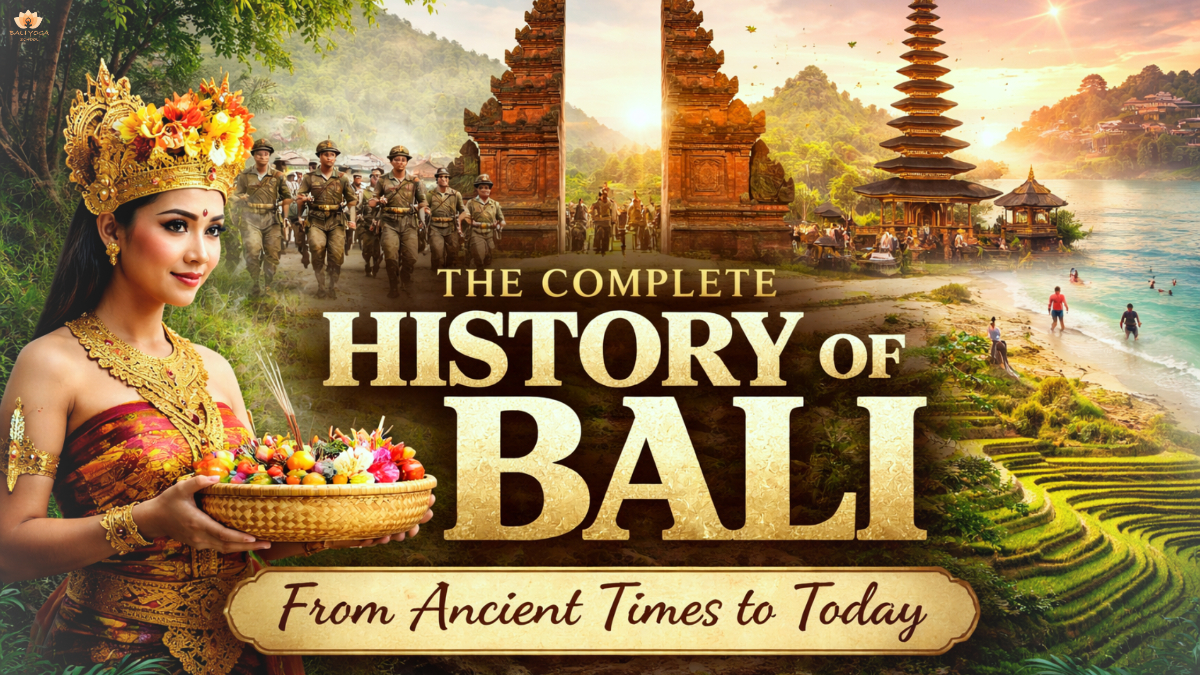
The Complete History of Bali: From Ancient Times to Today
Bali is often described through its beaches, temples, and yoga retreats. But long before it became a global wellness destination, Bali developed one of Southeast Asia’s most resilient and distinctive cultural identities.
To understand Bali today — its ceremonies, architecture, rituals, and daily offerings — you need to understand its history. What follows is a clear and factual journey through Bali’s past, from its earliest settlements to its role in the modern world.
Early Bali: Prehistoric Foundations (Before 1st Century CE)
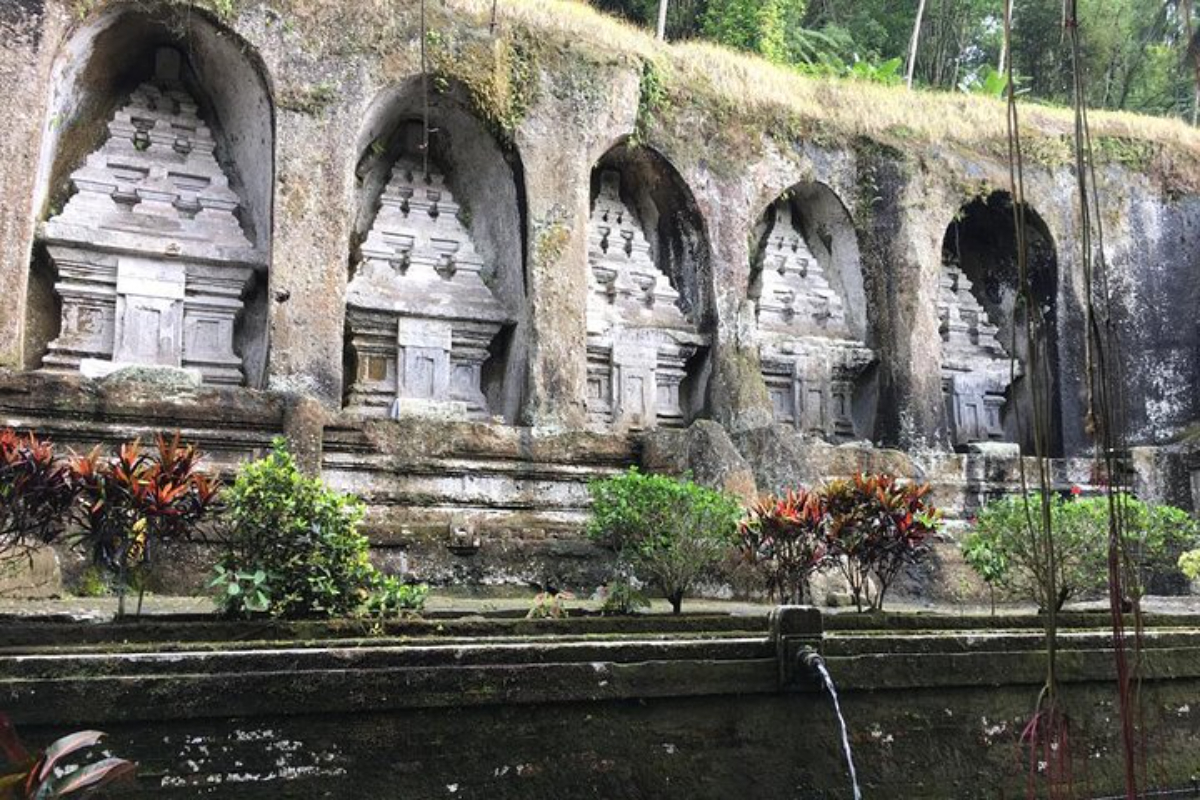
Archaeological findings show that Bali has been inhabited since at least 2000 BCE. Early Austronesian migrants brought rice cultivation, animist beliefs, and complex irrigation systems that would later evolve into the famous Subak water temple system. Stone sarcophagi and bronze artifacts discovered across the island suggest a well-organized early society engaged in trade with other parts of Southeast Asia.
Even today, traces of animism remain visible in Balinese rituals that honor spirits of land and ancestors.
The Arrival of Hindu Influence (1st–10th Century)
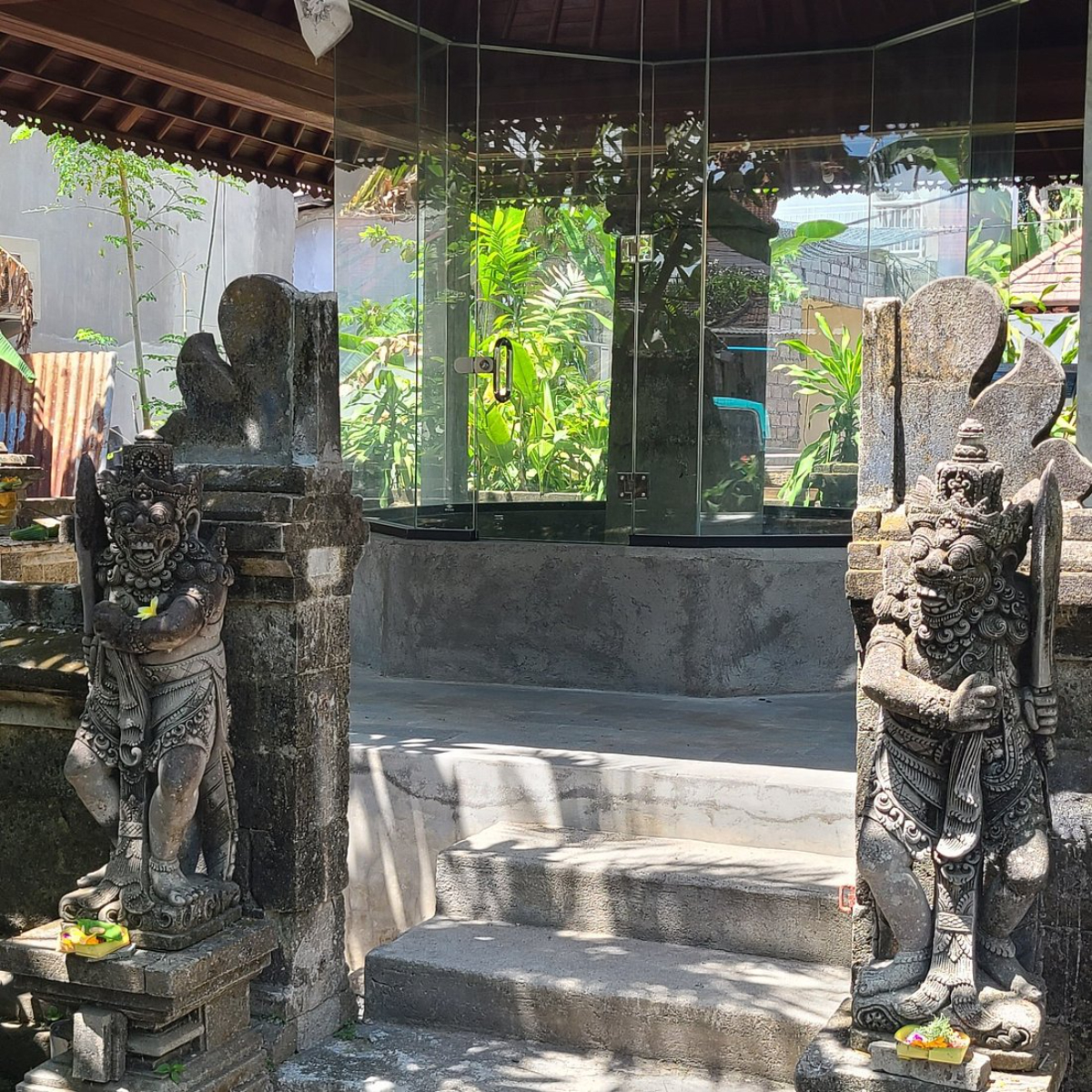
By the first millennium CE, Bali began absorbing strong cultural influence from India via maritime trade routes. Sanskrit inscriptions from the 9th century confirm the presence of Hindu-Buddhist governance structures.
Balinese Hinduism, however, did not replicate Indian Hinduism directly. It blended imported philosophy with local ancestor worship and animism, forming what is now known as Agama Hindu Dharma, Bali’s dominant religion.
The earliest known Balinese ruler recorded in inscriptions is Sri Kesari Warmadewa (10th century). During this period, Bali began forming centralized kingdoms.
The Majapahit Influence (14th–16th Century)
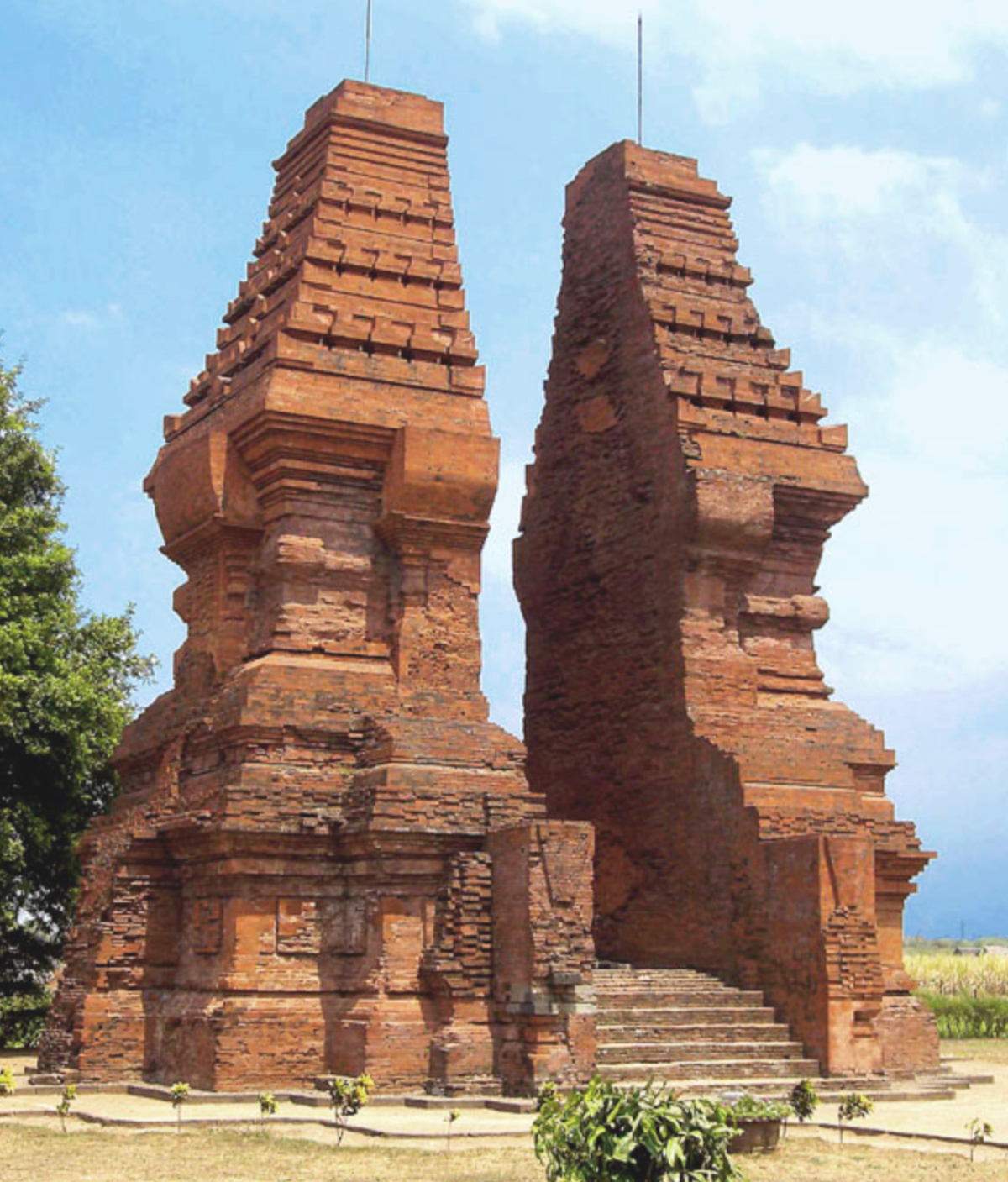
One of the most defining periods in Bali’s history came after the fall of the Majapahit Empire in Java (late 15th century).
When Islam spread across Java, many Hindu nobles, artists, priests, and scholars migrated to Bali. They brought:
– Court rituals
– Temple architecture styles
– Classical dance traditions
– Literary and artistic refinement
This migration deeply shaped Balinese culture. Much of what visitors recognize today — temple design, ceremonial structure, caste system organization — emerged from this Majapahit influence. Unlike Java, Bali remained predominantly Hindu.

Dutch Colonial Era (1846–1949)
The Dutch began intervening in Bali in the mid-19th century, first through trade agreements and later through military conquest.
Between 1846 and 1908, the Dutch conducted a series of military campaigns against Balinese kingdoms. The most well-known resistance event was the Puputan of 1906, a mass ritual suicide by Balinese royalty in Denpasar rather than surrender to Dutch forces.
By the early 20th century, Bali became fully incorporated into the Dutch East Indies.
However, the Dutch also promoted Bali internationally as an exotic cultural destination. Western artists, anthropologists, and photographers began arriving in the 1920s and 1930s, shaping Bali’s global image.
Japanese Occupation and Indonesian Independence (1942–1949)
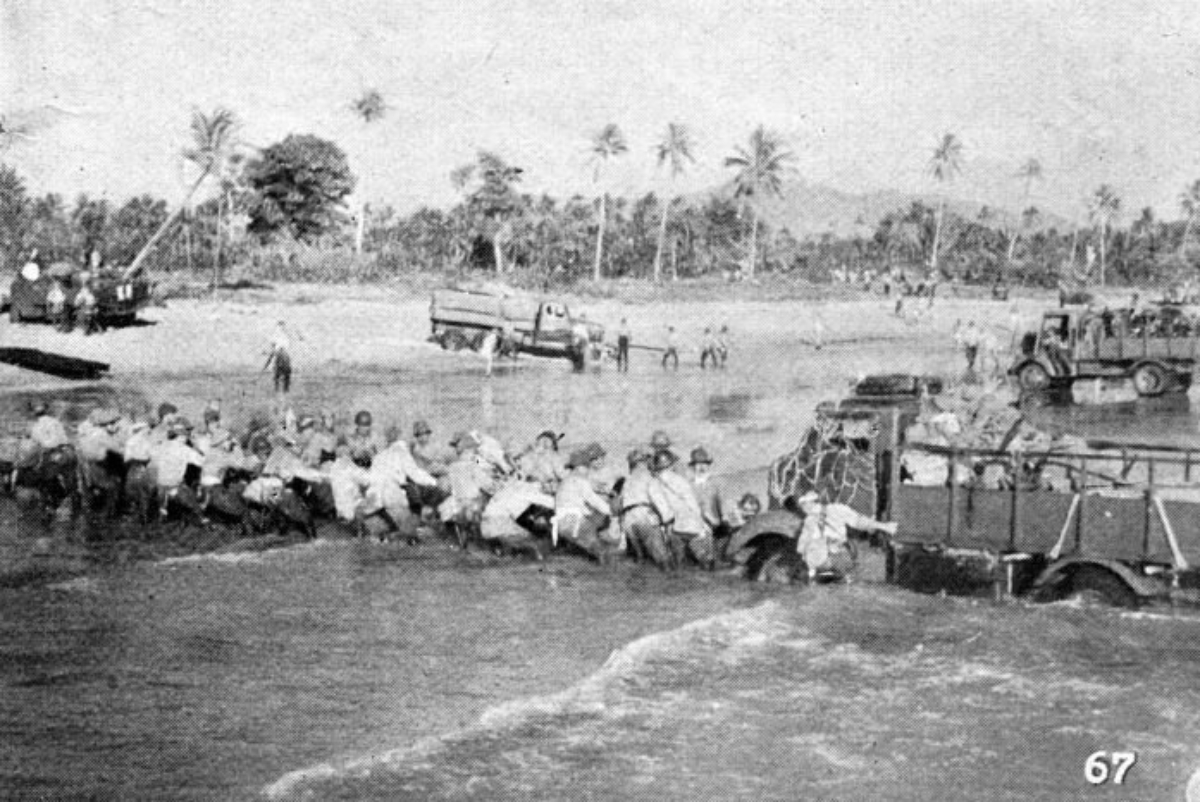
During World War II, Japan occupied Indonesia, including Bali. The occupation disrupted Dutch rule and strengthened Indonesian nationalist movements.
After Japan’s surrender in 1945, Indonesia declared independence. However, full sovereignty was not recognized by the Netherlands until 1949.
Bali became part of the newly formed Republic of Indonesia.
The 1965–1966 Tragedy
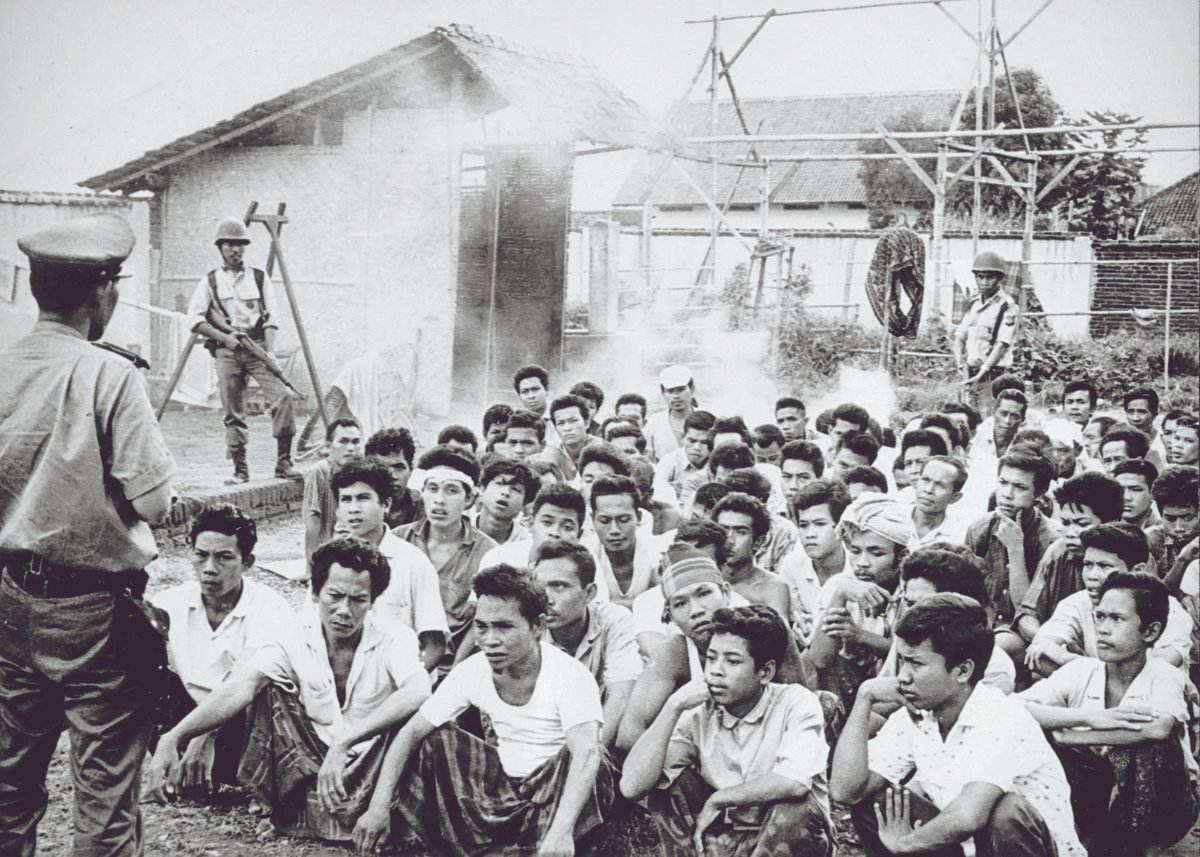
One of the darkest periods in Bali’s modern history occurred during the anti-communist purges of 1965–66 across Indonesia.
Bali experienced severe violence during this time. Estimates suggest tens of thousands of people were killed. The political and social scars from this period shaped the island’s modern identity in complex ways.
The Rise of Tourism (1970s–2000s)
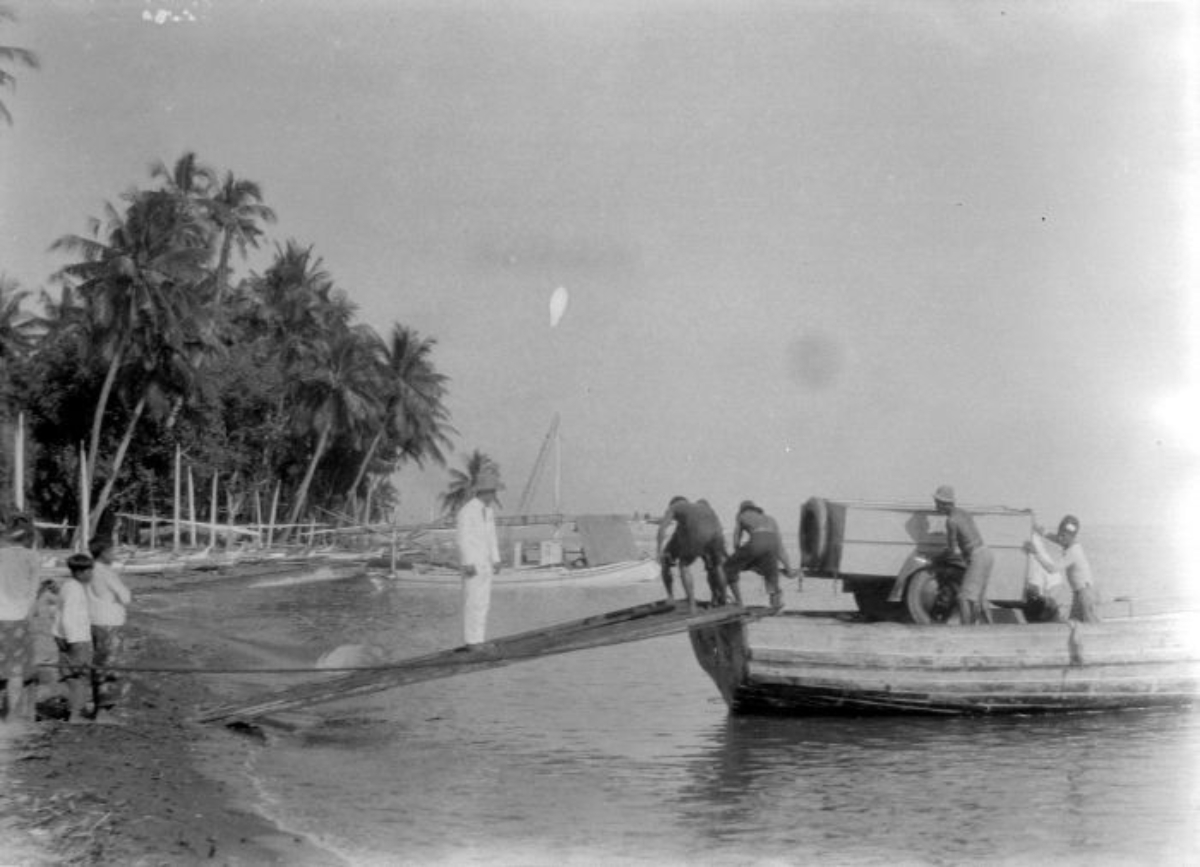
Tourism began expanding in the 1970s when Indonesia developed infrastructure to promote Bali internationally.
Ngurah Rai International Airport opened in 1969. Resorts and hotels followed, especially in:
– Kuta
– Sanur
– Ubud
By the 1990s, Bali had become one of Southeast Asia’s most visited destinations.
Tourism reshaped the economy. While rice farming and temple-based community life continued, hospitality and wellness industries grew rapidly.
The 2002 and 2005 Bali Bombings
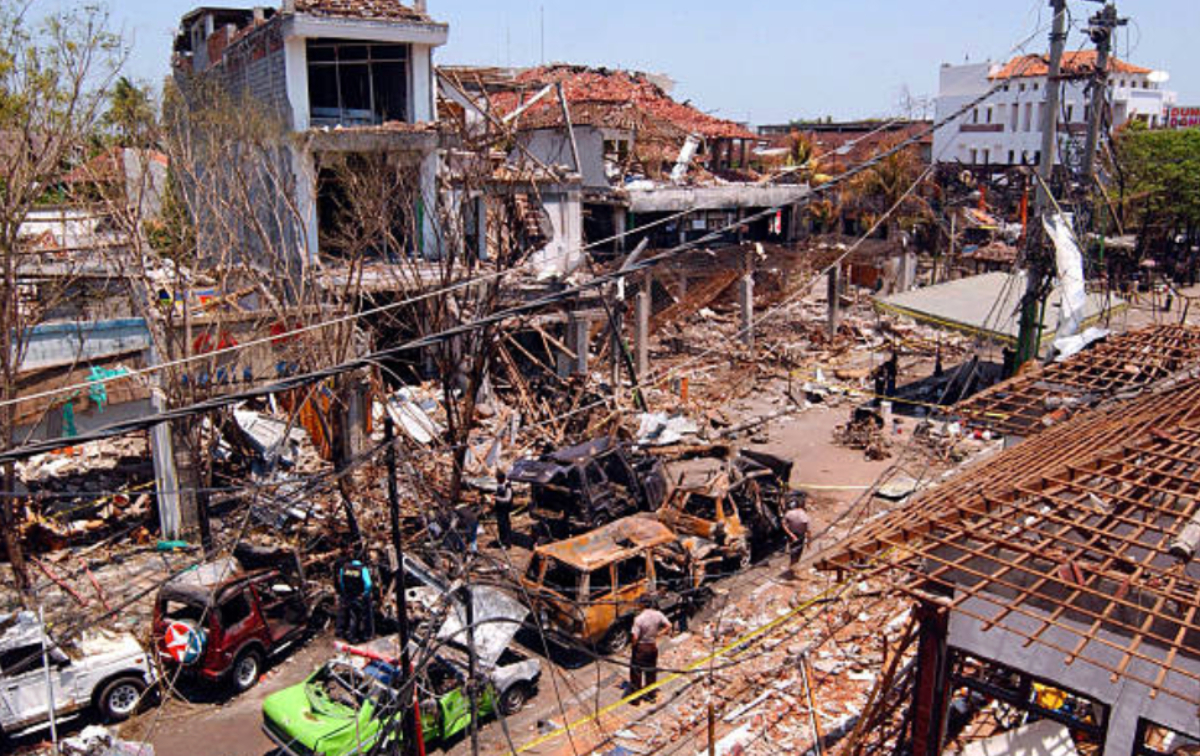
The 2002 Bali bombings marked a turning point. Over 200 people were killed in Kuta, dramatically impacting tourism and global perception of the island.
Bali faced another bombing in 2005.
In both cases, the island’s recovery was gradual but determined. The resilience of local communities became internationally recognized.

Bali Today: Tradition and Modernity
Today, Bali balances two parallel realities:
– A deeply ritualistic Hindu society with daily temple offerings, ceremonies, and caste traditions.
– A global destination for tourism, digital nomads, yoga, and wellness retreats.
Despite rapid modernization, Bali remains one of the only regions in Indonesia where Hinduism is the dominant religion.
Ceremonial life still structures the calendar. Every village maintains temples. Offerings (canang sari) are placed daily in homes, shops, and streets.
The Subak irrigation system remains active and is recognized as a UNESCO World Heritage Site (2012).
Bali’s Cultural Continuity
What makes Bali historically unique is not simply its Hindu roots or its colonial past. It is the continuity.
The island did not abandon its ceremonial identity when tourism arrived. Instead, it adapted. Dance remains ritual before performance. Temple festivals still take priority over commercial schedules. Local banjar (community councils) continue governing village affairs.
This layering of past and present defines Bali’s character.
Why Bali’s History Matters
For visitors, yoga practitioners, and long-term students, understanding Bali’s history changes how the island is experienced.
Temples are not aesthetic objects.
Ceremonies are not performances.
Offerings are not decorations.
They are living expressions of centuries of cultural continuity.
When studying yoga in Bali — particularly in Ubud — one studies within a cultural ecosystem shaped by migration, resistance, spiritual resilience, and adaptation.
Conclusion
The history of Bali is not linear. It is layered. From prehistoric rice farmers to Hindu kingdoms, from colonial rule to independence, from tragedy to global tourism — Bali has evolved without losing its spiritual core. To walk through Bali with awareness is to walk through time. And to understand its past is to see its present more clearly.
FAQ — History of Bali (2026)
Frequently Asked Questions About the History of Bali
1. What is the earliest known history of Bali?
The earliest evidence of human life in Bali dates back to around 2000 BCE, when Austronesian migrants settled on the island. These early communities introduced rice farming, animist rituals, and the beginnings of irrigation systems that later developed into Bali’s famous Subak water temple tradition.
2. When did Hinduism arrive in Bali?
Hindu influence reached Bali around the 1st to 5th century CE, through trade and cultural exchange with India and Java. Over time, Bali developed its own unique form of Hinduism, blending Indian traditions with indigenous beliefs, ancestor worship, and local ceremonial practices.
3. Why is Bali called the “Island of the Gods”?
Bali is often called the “Island of the Gods” because of its deeply spiritual culture. The island is filled with temples, daily offerings, and rituals that honor divine forces in nature. Religion in Bali is not separate from life—it shapes everything from art and architecture to agriculture and community life.
4. What was the Majapahit Empire’s role in Bali’s history?
The Majapahit Empire, based in Java, had a major influence on Bali in the 14th century. When Majapahit declined, many Hindu priests, artists, and nobles migrated to Bali, helping preserve Hindu-Javanese culture and shaping Bali’s classical traditions in dance, temple design, and literature.
5. Did Bali ever become a Muslim island like much of Indonesia?
Unlike many other Indonesian regions, Bali remained predominantly Hindu. While Islam spread across Java and other islands, Bali maintained its religious identity due to its geography, strong cultural institutions, and the continued support of Hindu kingdoms after the Majapahit era.
6. When did the Dutch colonize Bali?
The Dutch began expanding control over Bali in the 19th century, with full colonial rule established in the early 1900s. This period included significant resistance from Balinese royal families, including the famous Puputan events, where kingdoms fought against surrender.
7. What happened in Bali during World War II?
During World War II, Bali was occupied by Japan from 1942 to 1945. After Japan’s surrender, Indonesia declared independence, and Bali became part of the newly formed Republic of Indonesia after years of political transition.
8. How did Bali become a major global tourism destination?
Bali’s tourism began developing in the early 20th century but expanded rapidly after the 1970s. Its combination of beaches, arts, spirituality, yoga culture, and wellness retreats turned Bali into one of the world’s most visited islands.
9. What is the Subak system and why is it important?
The Subak irrigation system is an ancient Balinese water management tradition dating back over 1,000 years. It combines agriculture with spirituality, using temple-based cooperation to distribute water fairly across rice terraces. UNESCO recognizes Subak as a key part of Bali’s cultural heritage.
10. What is Bali’s cultural identity today?
Modern Bali is a blend of tradition and global influence. While the island is internationally known for tourism, it remains deeply rooted in Hindu rituals, temple festivals, family compounds, and artistic expression. Bali continues to protect its spiritual heritage while evolving in the modern world.
11. Why is Bali important for yoga and wellness today?
Bali has become one of the world’s leading wellness destinations because it offers more than relaxation—it provides an atmosphere shaped by spirituality, nature, and ritual. Places like Ubud attract travelers seeking yoga teacher training, meditation retreats, healing practices, and inner transformation.
12. Where can I experience Bali’s history firsthand?
Some of the best places to explore Bali’s history include:
– Besakih Temple (Mother Temple of Bali)
– Goa Gajah (Elephant Cave)
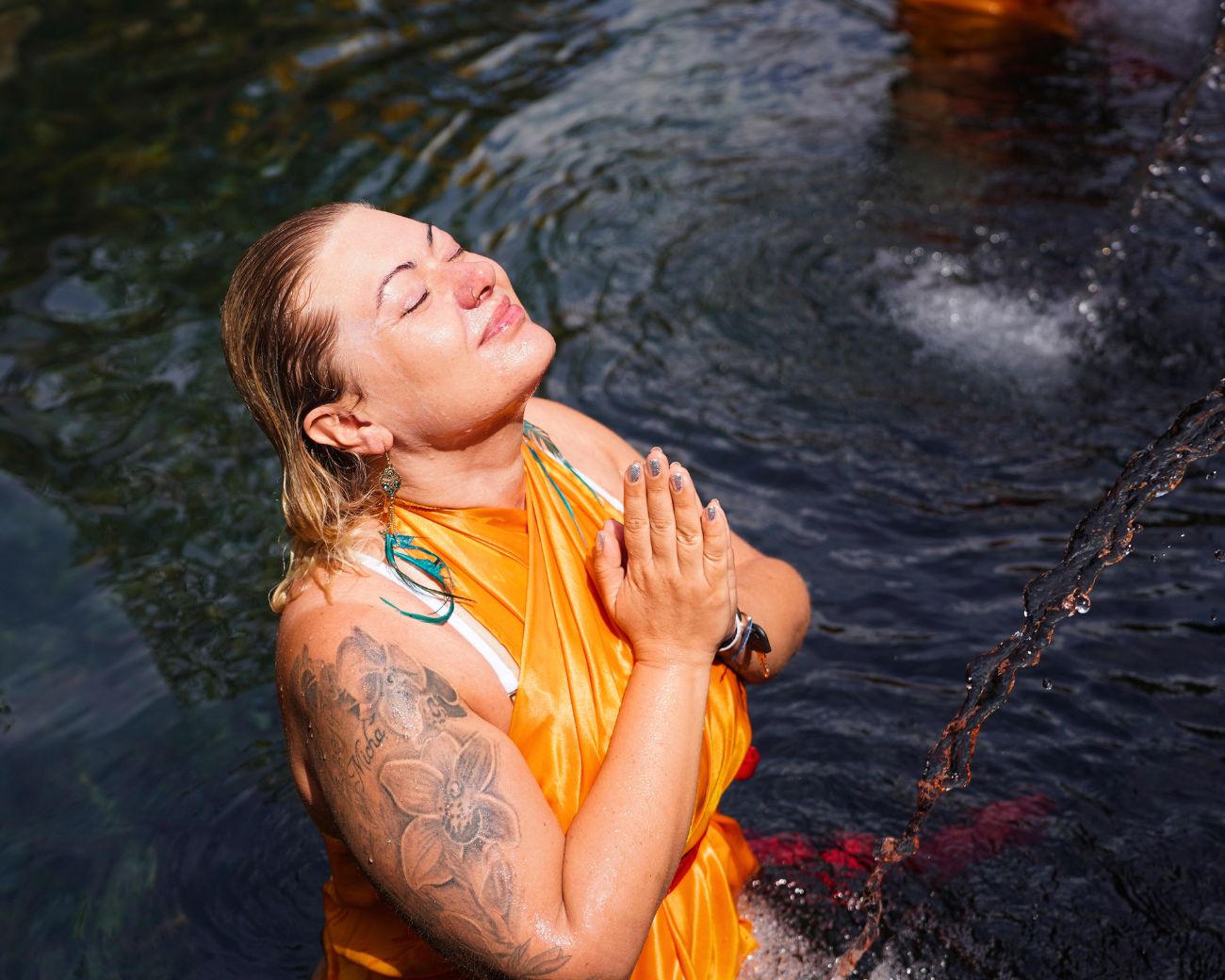
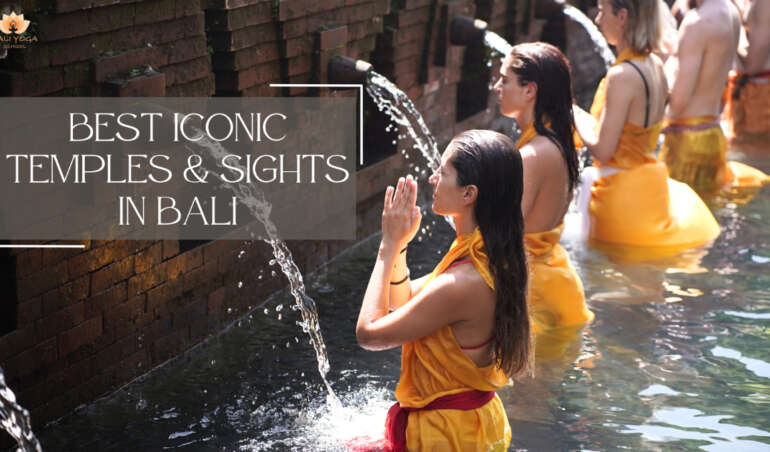
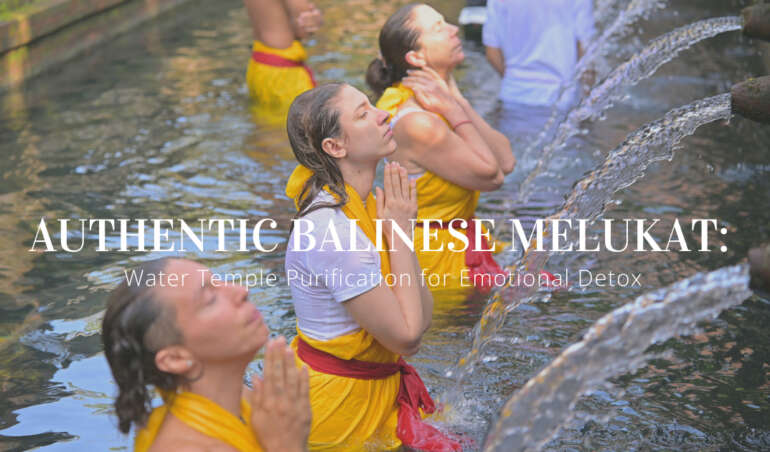
– Tirta Empul Water Temple
– Ubud’s royal and artistic heritage sites
– UNESCO rice terraces of Jatiluwih