Authentic Balinese Melukat: Water Temple Purification for Emotional Detox
Melukat: Bali’s Sacred Water Purification Ceremony
Bali is often described through its landscapes — rice terraces, waterfalls, beaches, temples, and jungle. But beneath the visual beauty of the island lies something far more important to Balinese culture: purification.
In Bali, spiritual cleansing is not treated as an occasional ritual or wellness trend. It is woven into everyday life. Offerings are placed outside homes each morning, ceremonies mark important life transitions, and sacred water is used regularly for purification and prayer.
One of the most meaningful of these traditions is Melukat, a Balinese water purification ceremony practiced to cleanse emotional heaviness, stagnant energy, mental stress, and spiritual imbalance.
For many visitors, Melukat becomes one of the most memorable experiences they encounter in Bali — not because it is dramatic or performative, but because it creates a rare moment of pause, reflection, and emotional release.
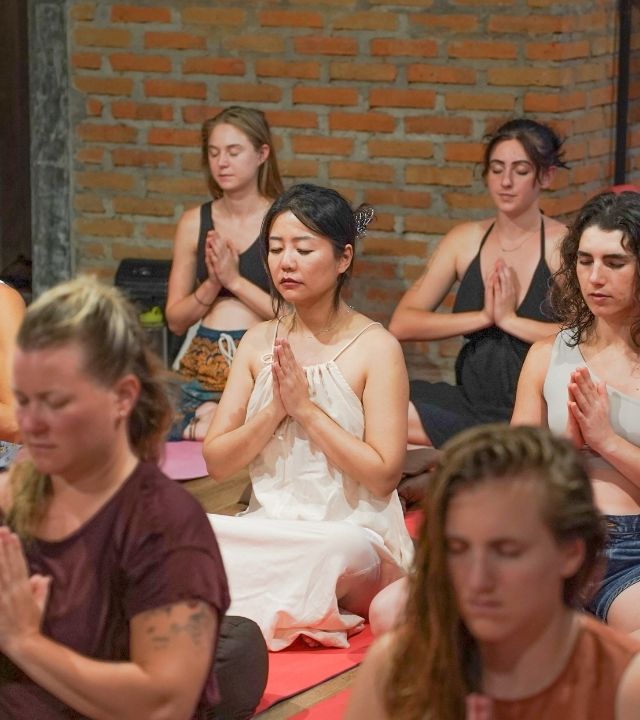
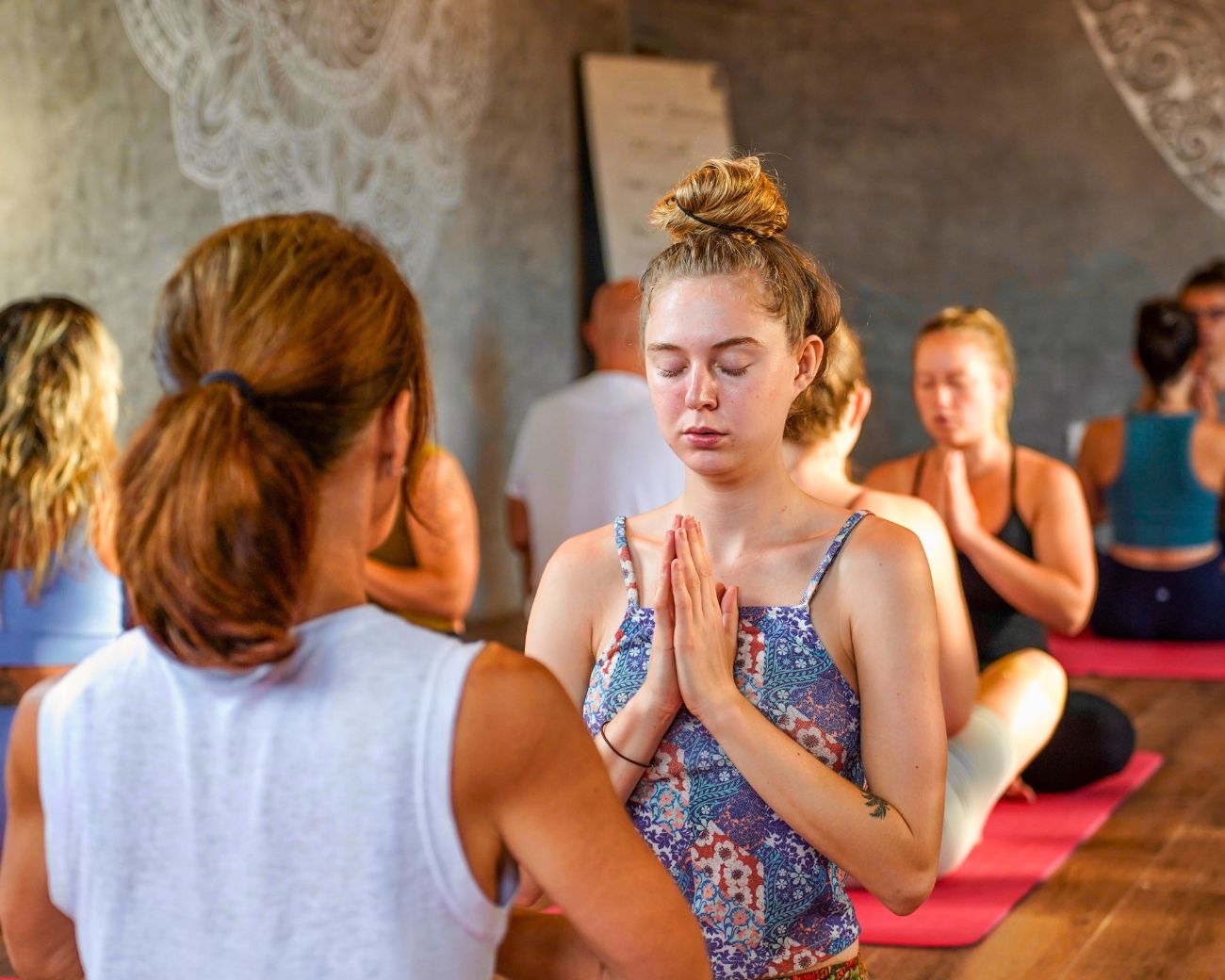
At Bali Yoga School, many students exploring yoga, meditation, and inner healing become naturally curious about Balinese purification rituals and the deeper spiritual culture of the island. Melukat offers an opportunity to experience Bali not only as a destination, but as a living spiritual tradition.
What Is Melukat?
Melukat is a traditional Balinese Hindu purification ritual performed using holy water at sacred water temples, springs, waterfalls, or temples across Bali. The word “Melukat” roughly refers to the process of cleansing or purifying oneself spiritually and energetically.
In Balinese Hindu belief, emotional stress, negative experiences, grief, fear, conflict, and mental heaviness can accumulate within a person over time. Melukat is performed to symbolically and spiritually cleanse these burdens and restore inner balance.
The ritual is not viewed as magical or theatrical within Balinese culture. Instead, it is approached with humility, prayer, and respect. While many travelers describe Melukat as an “emotional detox,” the ceremony itself is rooted in centuries-old spiritual traditions connected to purification, harmony, and renewal.
The Role of Water in Balinese Spirituality
Water holds profound significance in Balinese Hindu culture.
Holy water, known as tirta, is considered sacred because it symbolizes purification, life force, clarity, and divine blessing. Water is used in temple ceremonies, daily offerings, family rituals, and healing practices throughout Bali. Many sacred springs and water temples on the island are believed to carry spiritual energy connected to purification and balance.
This relationship between water and cleansing exists in many traditions around the world, but in Bali, it remains deeply integrated into community and spiritual life rather than separated into modern wellness culture. Melukat is part of this living tradition.
What Happens During a Melukat Ceremony?
Although rituals vary slightly depending on the temple and local tradition, most Melukat ceremonies follow a similar structure.
1. Preparation and Offering
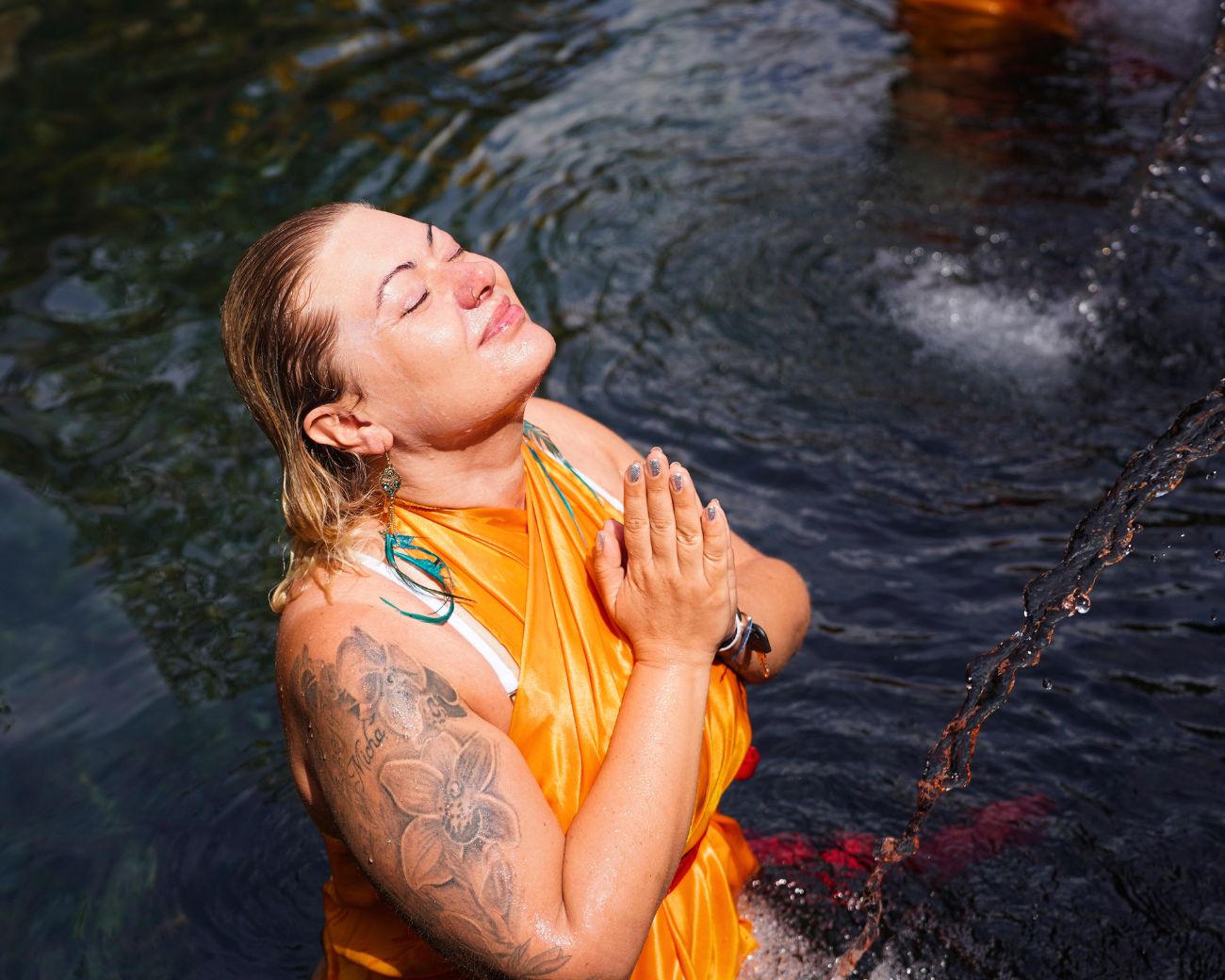
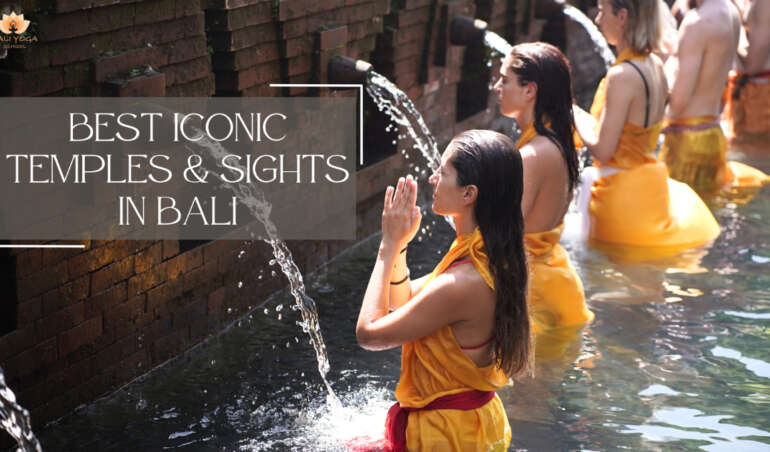
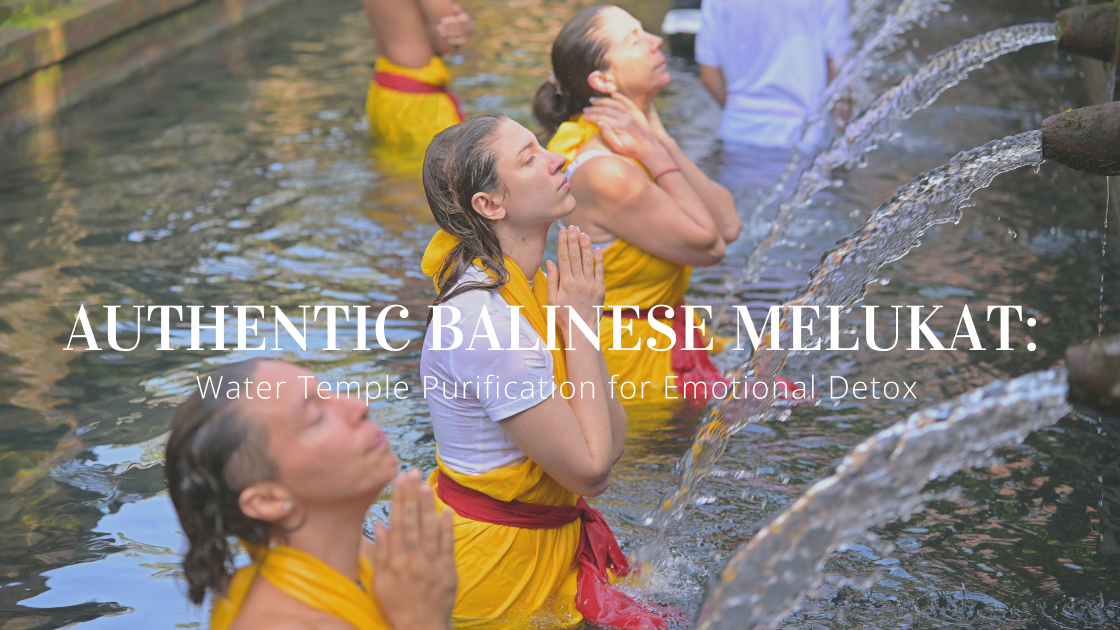
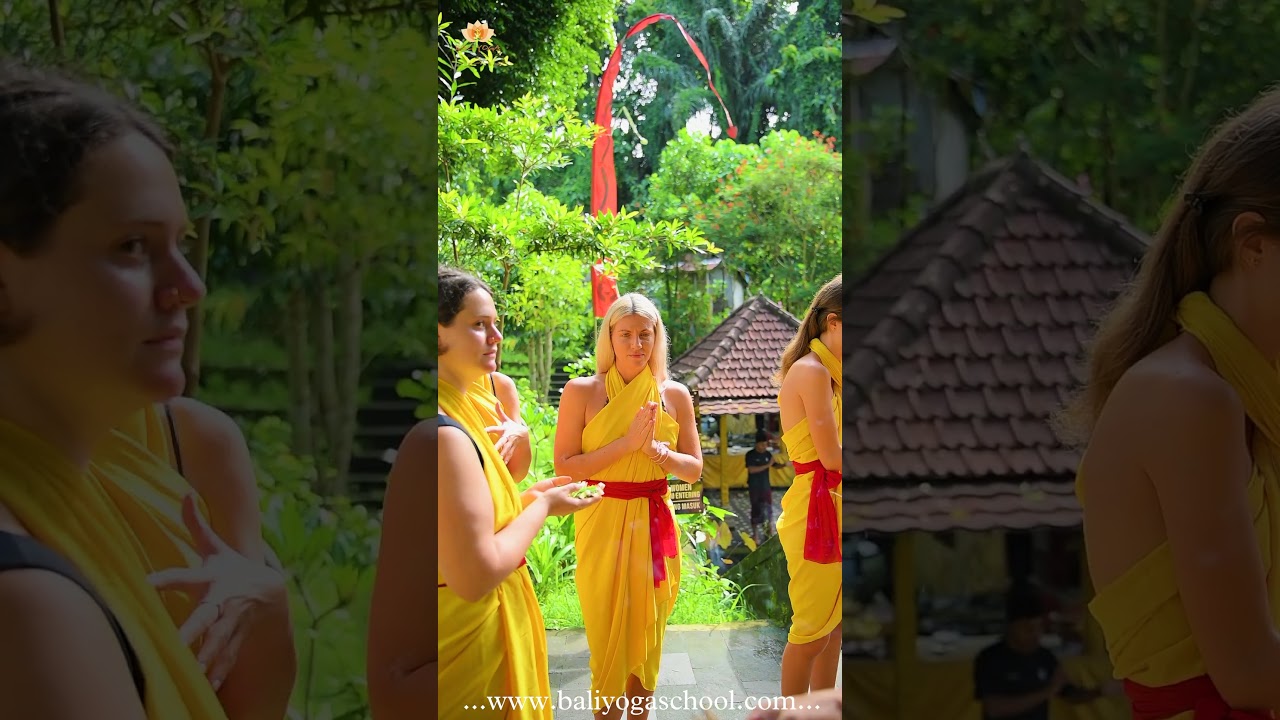
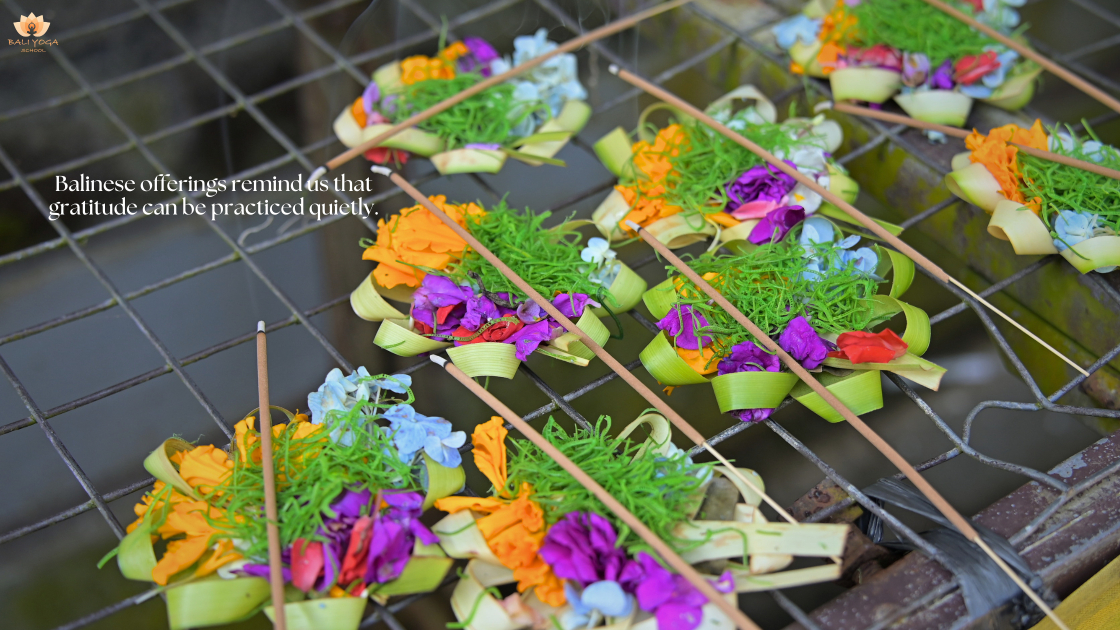
Before entering the sacred water, participants usually prepare by changing into traditional temple clothing such as a sarong and sash. Offerings known as canang sari may be prepared or provided as part of the ceremony. These offerings represent gratitude, prayer, and intention. Participants are often encouraged to enter the ritual quietly and mindfully rather than treating it as a tourist attraction or photo opportunity.
2. Prayer and Intention
Before entering the water, prayers are usually offered. This part of the ritual is important because Melukat is not only about physical cleansing. Intention matters deeply within Balinese spiritual practice. People may silently reflect on:
- Emotional heaviness
- Stress or grief
- Personal transitions
- Mental exhaustion
- Healing intentions
- Gratitude or renewal
For some, the ceremony becomes a rare moment to acknowledge emotions they have been carrying for a long time.
3. Water Purification
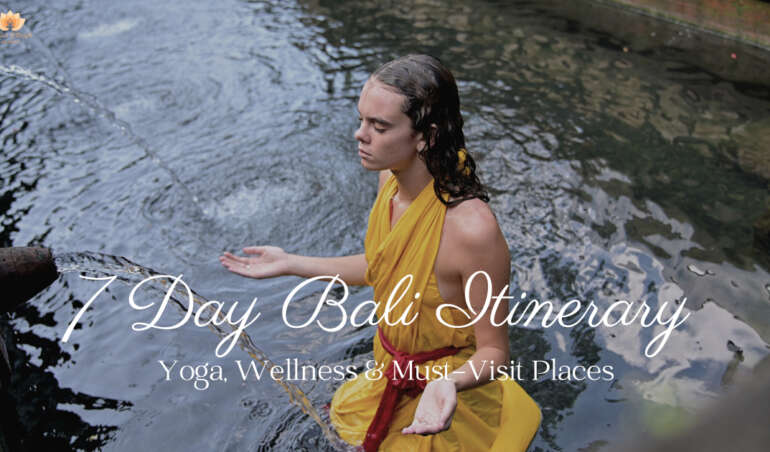
Participants move through a series of water fountains or sacred springs where water flows continuously over the head and body. Each fountain may represent a different aspect of purification or blessing depending on the temple tradition. The experience itself is often physically simple: cold water, prayer, breath, silence, and repetition. Yet many people describe the emotional effect as surprisingly powerful. Not because the ritual “fixes” life problems, but because it creates space for emotional release, reflection, surrender, and nervous system reset.
 Why Melukat Feels Emotionally Powerful
People often arrive in Bali carrying more tension than they realize.
Modern life creates constant stimulation:
- Noise
- Deadlines
- Emotional overload
- Digital exhaustion
- Mental stress
- Burnout
- Disconnection from the body
Many wellness experiences focus only on physical relaxation. Melukat feels different because it combines:
- Ritual
- Intention
- Community tradition
- Nature
- Prayer
- Water
- Silence
- Emotional reflection
These elements together can create a strong emotional response. Some people cry during the ritual. Others feel calm afterward. Some simply feel lighter, quieter, or mentally clearer. Not every experience is dramatic, and it does not need to be. Often the most meaningful part is simply slowing down enough to feel present again.
Sacred Water Temples in Bali
Several temples in Bali are especially known for Melukat ceremonies.
Tirta Empul Temple
Located near Ubud, Tirta Empul is one of Bali’s most famous water temples and purification sites. Built around a natural spring, the temple contains purification pools with flowing fountains used for ritual cleansing. Despite its popularity, Tirta Empul remains an active spiritual site for Balinese Hindus.
Pura Mengening
Less crowded and often quieter than Tirta Empul, Pura Mengening is another sacred spring temple known for purification rituals. Many people seeking a more intimate experience prefer this location.
Sebatu Water Temple
Sebatu offers a calmer atmosphere surrounded by nature and traditional temple architecture. The experience here often feels more meditative and less commercial than larger tourist sites.
Melukat and Yoga Practice
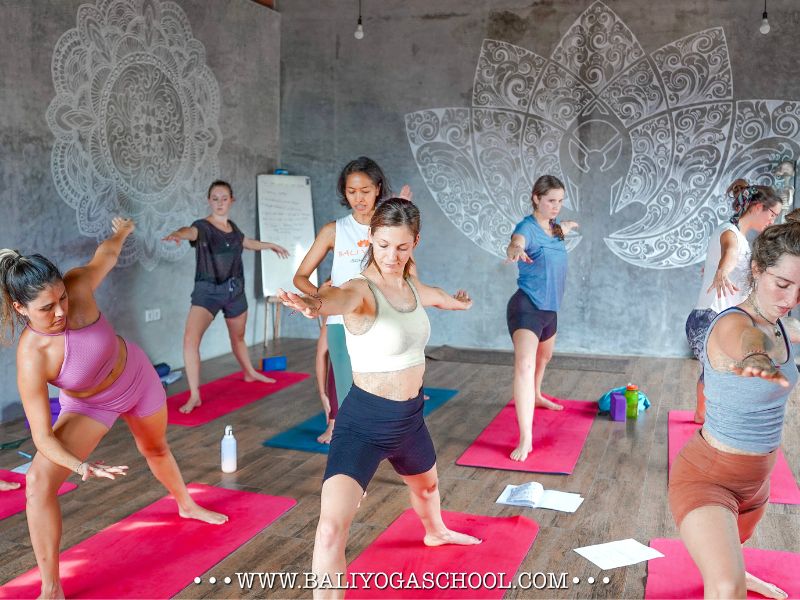
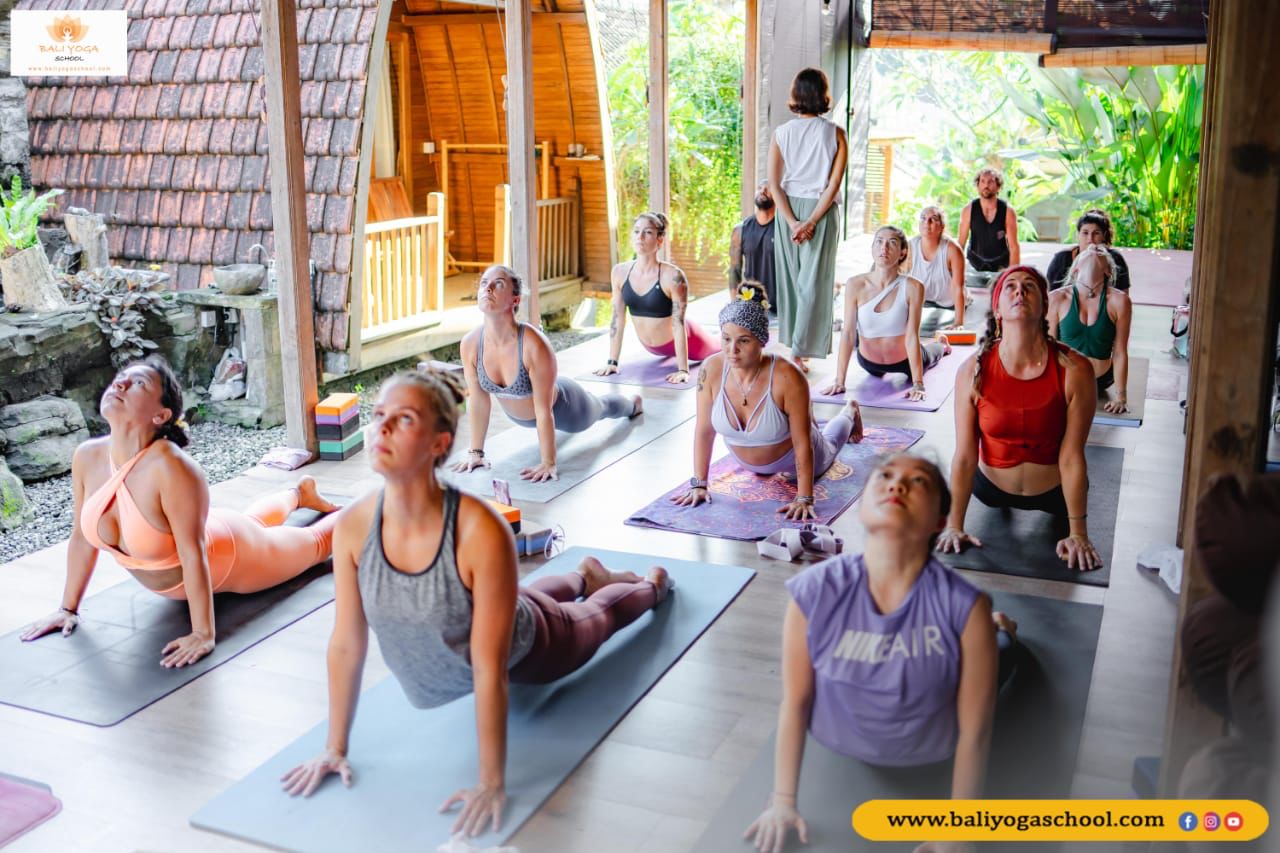
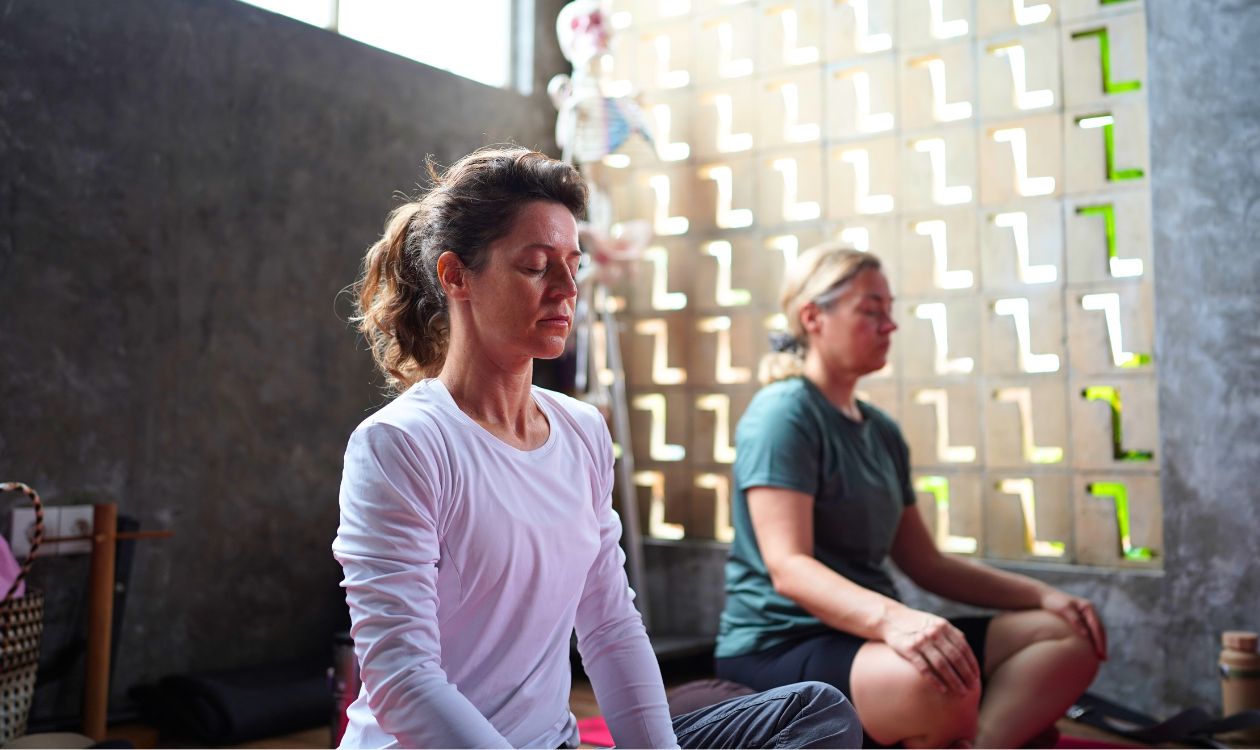
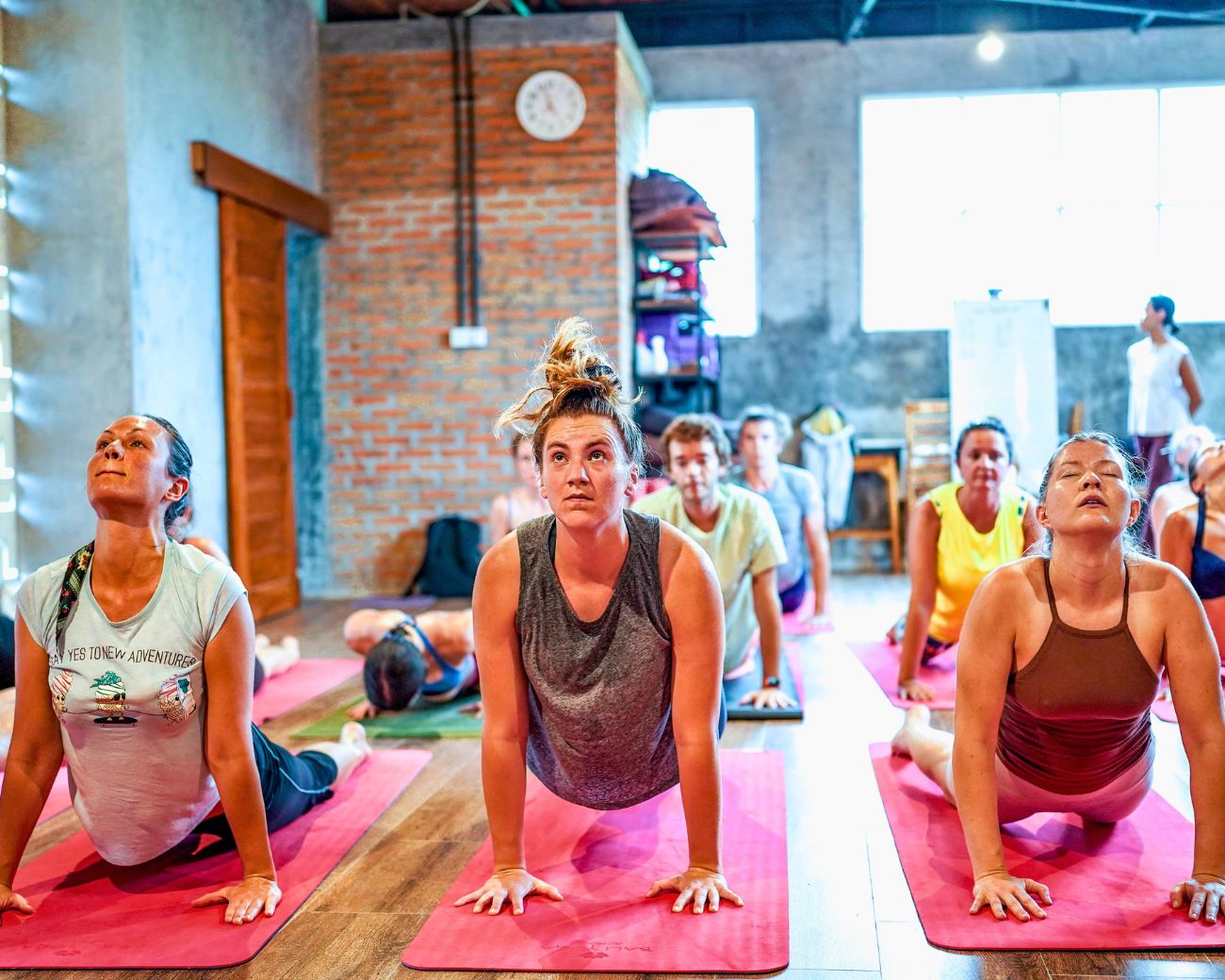
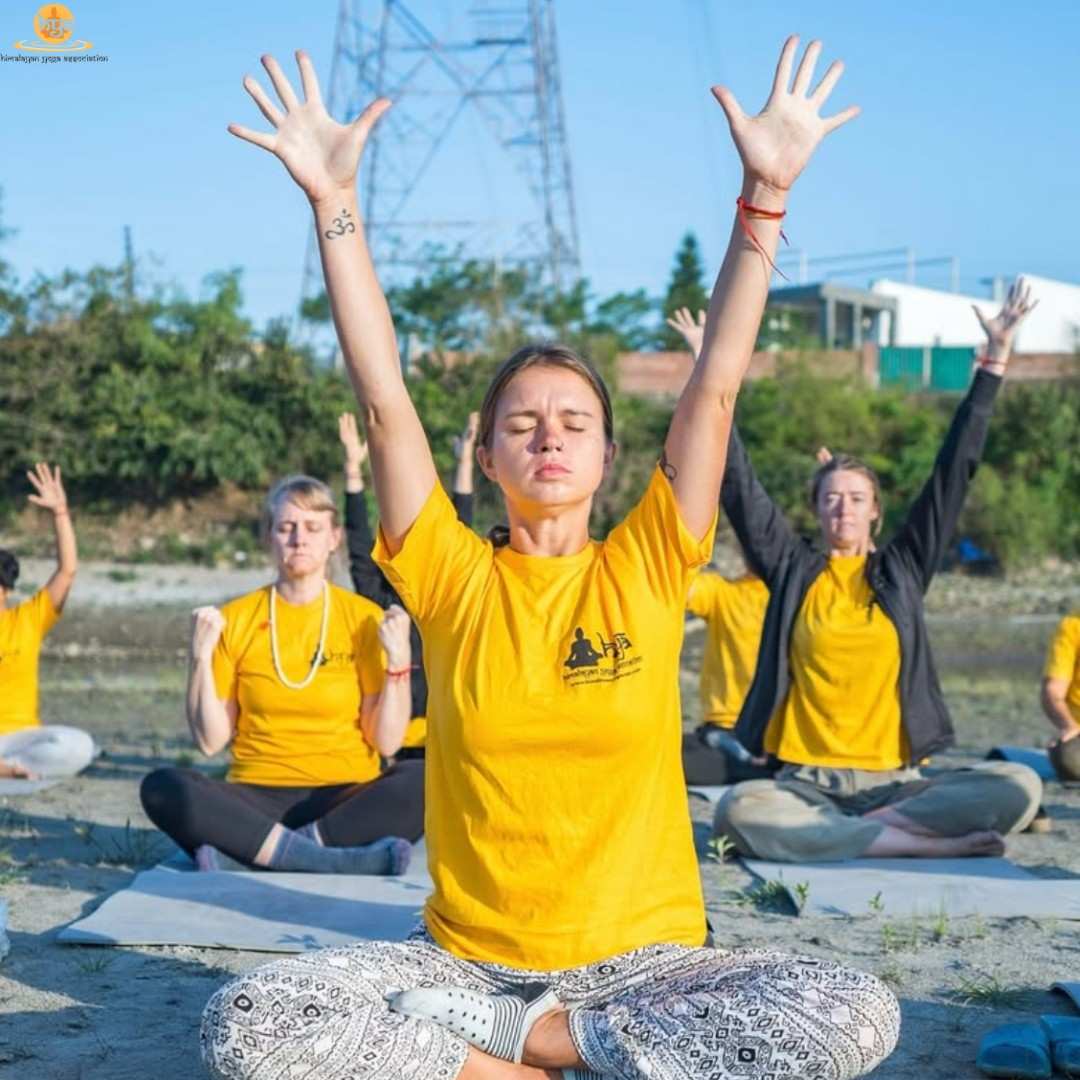
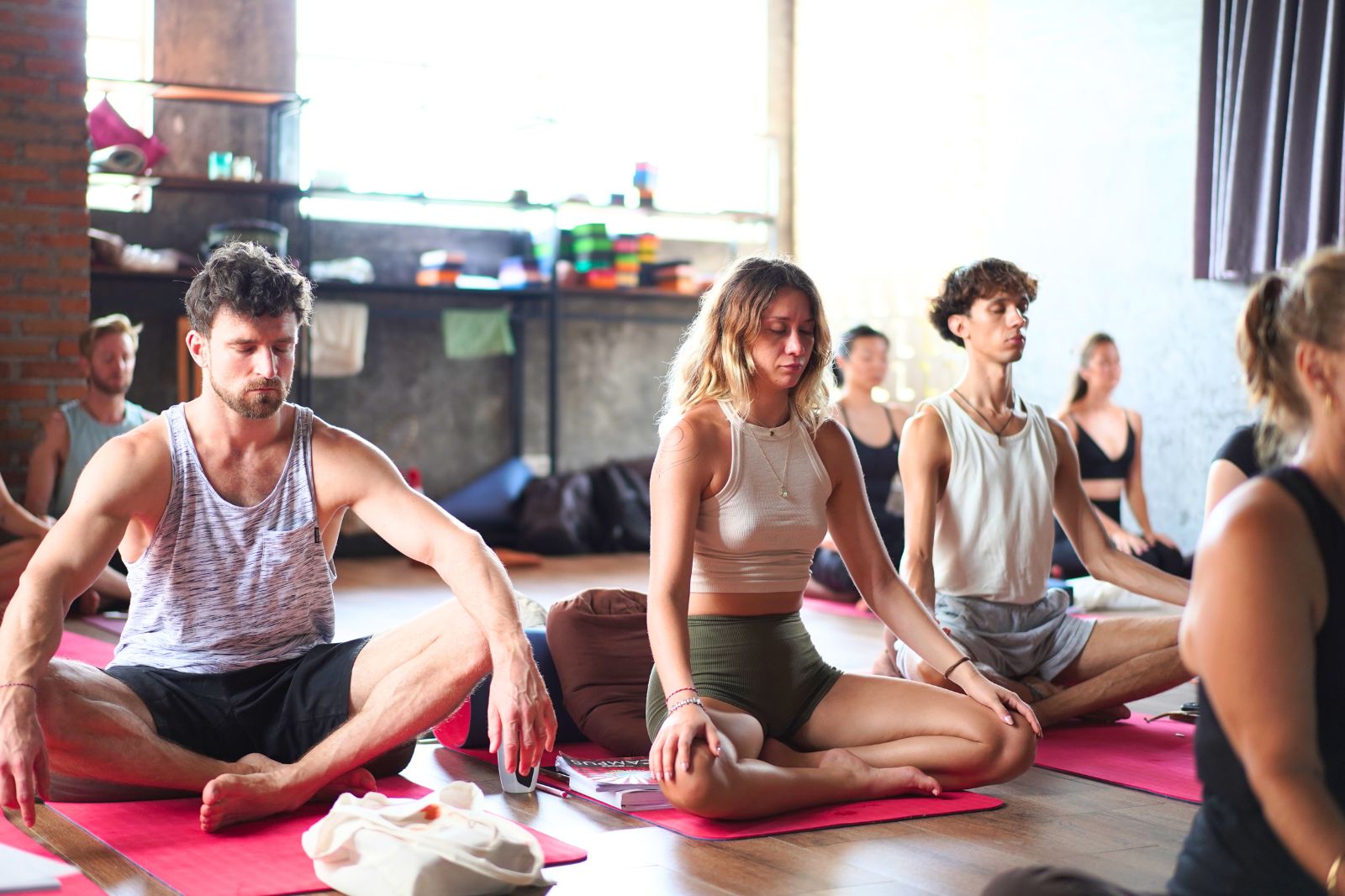
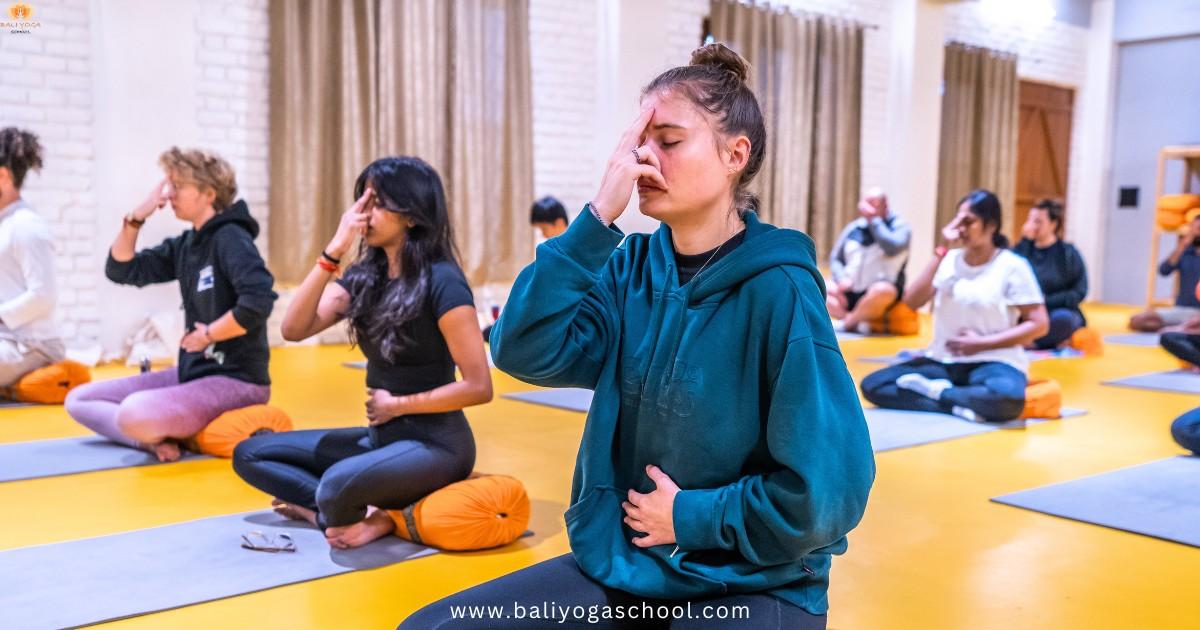
Many students attending yoga teacher training or retreats in Bali become interested in Melukat because the ritual naturally complements inner work already happening through yoga and meditation.
Yoga itself is traditionally a practice of purification — physically, mentally, emotionally, and energetically.
While yoga works through:
- Breath
- Awareness
- Movement
- Meditation
- Discipline
Melukat works symbolically through:
- Water
- Ritual
- Prayer
- Intention
- Surrender
Both practices invite release.
Neither is about perfection or performance.
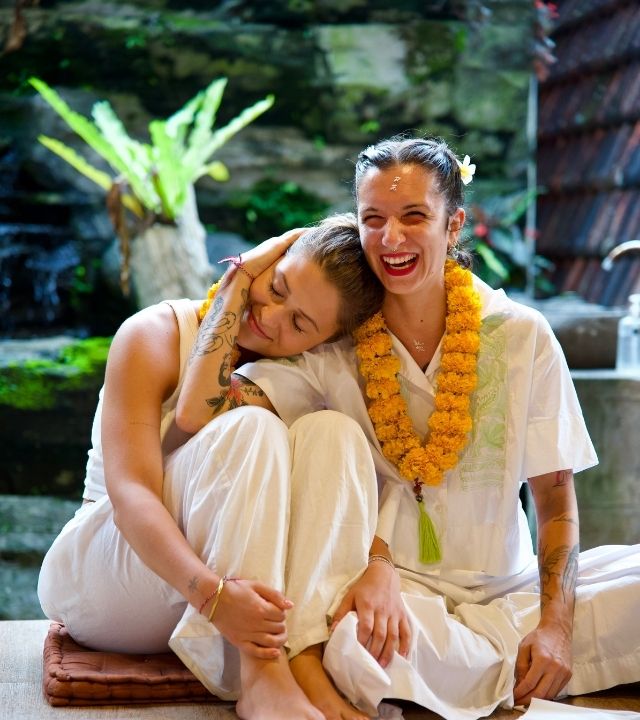
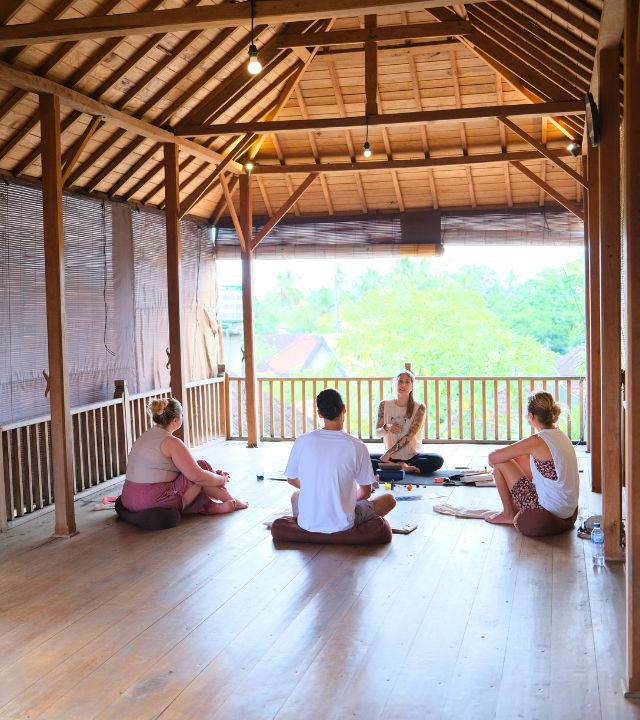
At Bali Yoga School, students often discover that healing and self-awareness do not always happen only inside the yoga shala. Sometimes they emerge through cultural experiences, silence in nature, spiritual ceremony, or moments of stillness outside structured practice.
Respecting the Ceremony Authentically
As Melukat becomes more popular online, it is important to approach the ritual respectfully. It is not simply a “spiritual activity” for content creation or entertainment. For Balinese communities, these ceremonies carry genuine religious and cultural significance. If participating in Melukat:
- Dress respectfully
- Follow temple guidance
- Avoid loud behavior
- Ask permission before photographing ceremonies
- Approach the ritual with humility rather than expectation
The goal is not to chase emotional intensity or “spiritual performance.” The experience becomes more meaningful when approached quietly and sincerely.
Emotional Detox Beyond Wellness Trends
The phrase “emotional detox” has become popular in wellness culture, but emotional release is not something that can always be packaged neatly. Real healing is often slower, quieter, and less dramatic than social media suggests. Melukat does not erase trauma or instantly transform a person’s life. What it can offer is:
- Reflection
- Pause
- Emotional acknowledgment
- Nervous system reset
- Symbolic release
- A feeling of renewal
Sometimes that is enough to create meaningful change. Rituals matter because they help people consciously mark transition points in life. They create space to let go, reconnect, and move forward with greater awareness. This is one reason Melukat continues to resonate so deeply for both locals and visitors.
Experiencing Bali Beyond Tourism
Bali has become globally associated with wellness, yoga, and spirituality, but the island’s traditions existed long before modern wellness tourism arrived.
Experiencing practices like Melukat respectfully allows visitors to engage with the deeper cultural and spiritual roots of Bali rather than only consuming its aesthetics.
For many students at Bali Yoga School, this becomes one of the most meaningful parts of their time on the island: not just practicing yoga in Bali, but learning from the culture, spirituality, and traditions that shape daily life here.
Because sometimes healing does not arrive through doing more.
Sometimes it begins with water, silence, prayer, and the willingness to finally release what the body and mind have been carrying for too long.