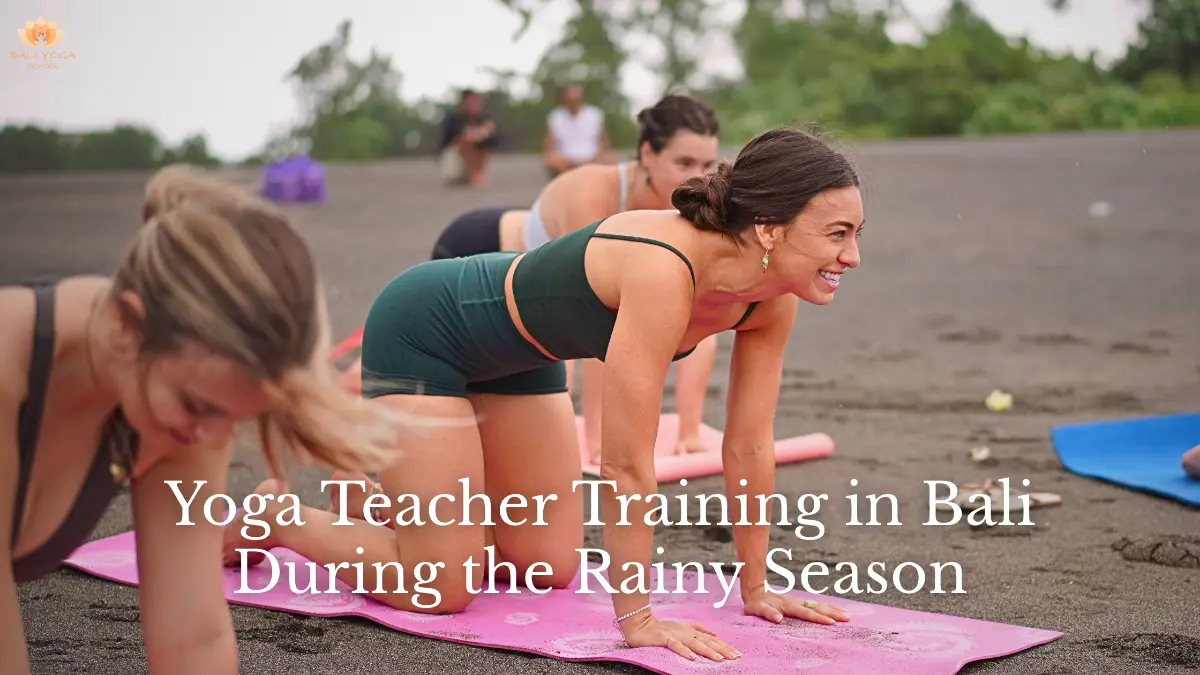
Yoga Teacher Training in Bali During the Rainy Season: 2026–2027 Guide
You’ve found a yoga teacher training course in Bali that fits your schedule. You can take time away from work, the dates look good, and you’re excited about studying somewhere new.
Then you check the weather and see rain in the forecast.
Should you wait for the dry season?
Not necessarily. You can do yoga teacher training in Bali during the rainy season, but it helps to know what wet weather might mean for your journey, your daily routine and the time you spend exploring the island.
At Bali Yoga School, students join courses for many reasons. Some want to start teaching; others want time to study yoga more deeply. If your available dates fall during the wetter months, rain does not have to change those goals. It does mean you’ll want to pack thoughtfully and leave some flexibility in your plans.
Here’s what to consider before you book.
This guide is published by Bali Yoga School and includes links to our own courses. Weather information comes from the sources linked throughout the article.

When Is the Rainy Season in Bali?
Bali generally has a wetter season and a drier season rather than four distinct seasons. According to Indonesia Travel, the wet season is generally described as November to March, while April to October is usually drier. These are broad seasonal patterns, not exact start and end dates. Indonesia Travel
You can experience rain outside the rainy season, and a wet-season day can include dry or sunny periods. Bali’s weather also varies by location and elevation, so the forecast for Ubud may look different from the forecast for a coastal area.
Rather than asking, “Will it rain during my training?” it’s more useful to ask, “How comfortable am I with a changeable forecast?”
If you want every free afternoon to be a beach afternoon, a wetter month may not be your first choice. If your main reason for coming is to study yoga and you can be flexible with sightseeing, it can still be a good time to visit.
Bali’s 2026–2027 Rainy Season Forecast
For students planning a course in late 2026 or early 2027, Bali’s climate station has published a 2026–2027 rainy-season forecast. It divides Bali into 20 climate zones and estimates when the rainy season may begin in each one.
In its October 2026 bulletin, the station forecast:
- A rainy-season onset in November 2026 for 3 of the 20 zones.
- An onset in December 2026 for the other 17 zones.
- A peak in February 2027 for 16 of the 20 zones.
These figures refer to climate zones, not the percentage of days it will rain. They are forecasts, not guarantees, and they do not tell you whether it will rain at your school on a particular day. Check BMKG’s Bali climate station and its latest local forecasts closer to departure. staklm-bali.bmkg.go.id
A useful distinction: A forecast that places the season’s onset in December does not mean November will be rain-free. Rain can occur before the official seasonal onset.
Does Yoga Teacher Training Continue When It Rains?
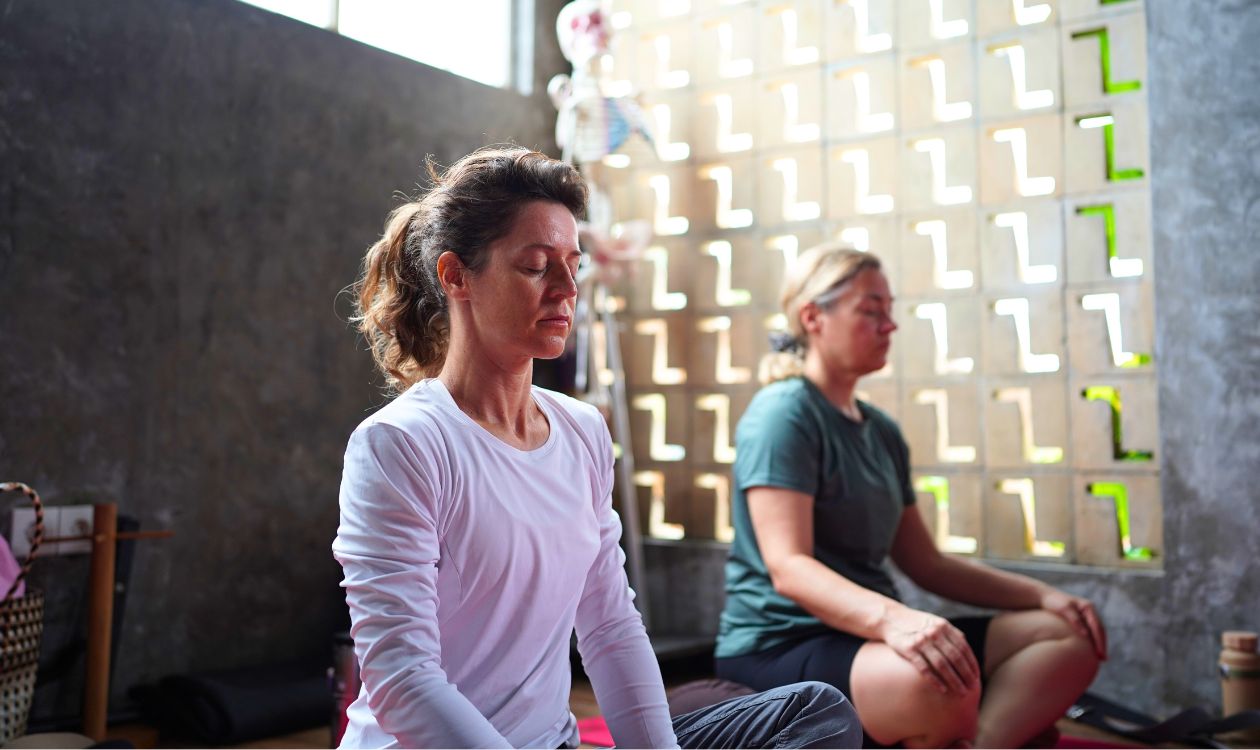
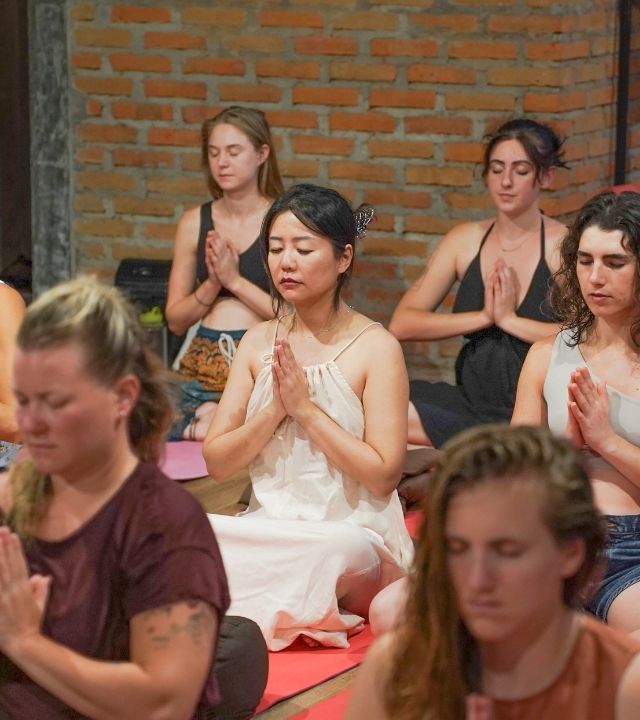
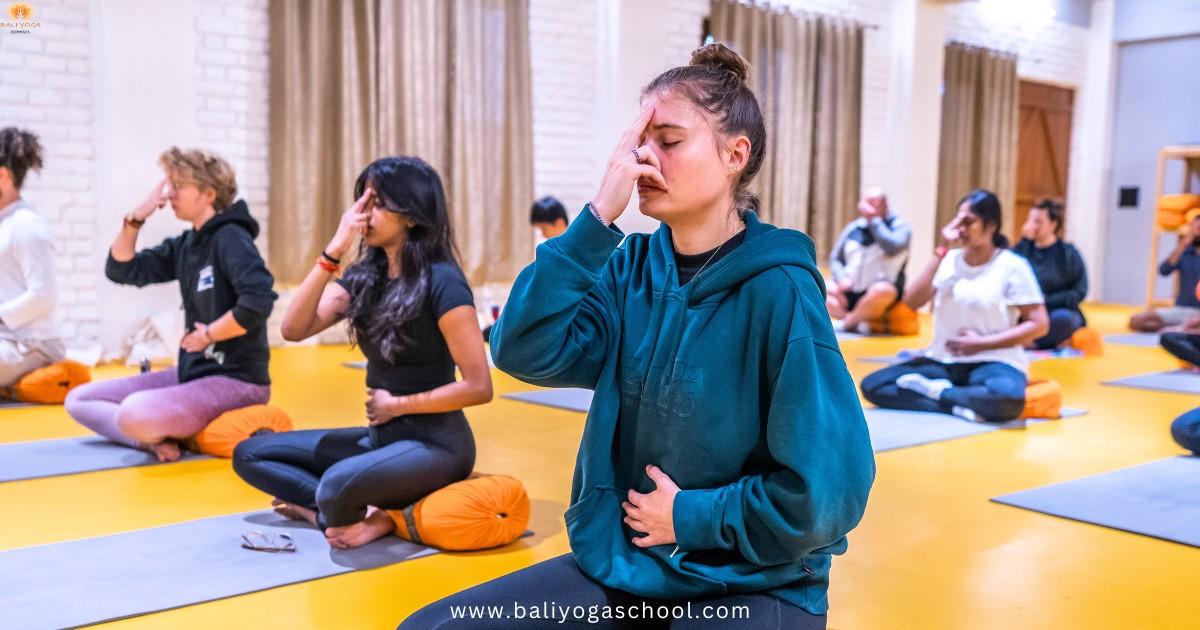
Ordinary rain does not automatically mean that a yoga class has to stop. Much of a teacher training course is spent practising, listening, discussing and studying, so the main learning does not depend on a sunny sky.
That said, it is sensible to ask a school how it handles heavy rain. A covered yoga space may be comfortable during a shower, while particularly severe weather, local flooding or transport disruptions could require a change of plan.
Before paying a deposit, ask:
- Where are the practical and theory classes held?
- Is the practice space covered?
- What happens if severe weather affects the schedule?
- How does the school communicate a change?
- What happens if an included excursion cannot go ahead?
A school may not be able to predict the weather, but it should be able to explain how it responds when plans need to change.
What Does a Rainy Training Day Feel Like?
Imagine finishing your morning practice, changing into dry clothes and sitting down to breakfast while rain falls outside. Later, you have an anatomy or philosophy class, followed by time to review your notes.
The rain may make your day feel quieter, but teacher training is still a full commitment. You’ll need energy for practice, attention for theory and time to rest. A rainy afternoon can be a good opportunity to catch up on reading or simply take a break.
It can also bring less romantic moments: damp clothes, slower traffic, muddy paths and plans you need to rearrange. Packing a little extra and keeping your free days flexible makes those moments easier to manage.

A Practical Look at the 200-Hour Training Schedule
If you’re planning a longer stay, it helps to understand how much of your time is devoted to the course.
Bali Yoga School’s 200-hour yoga teacher training in Bali lists a 25-day total course period, including check-in and checkout. Its published breakdown includes:
- 20 training days
- 160 hours of classes
- 40 hours of self-study
- 3 off days, plus the listed check-in and checkout days
The course page provides the current curriculum and package details. Confirm your specific dates and schedule with the school before arranging flights. baliyogaschool.com
The hours matter when you’re considering the season: teacher training is not simply a holiday with a yoga class added. You’ll have a structured reason to be in Bali, while sightseeing fits around your study and rest.
For an introduction to the experience, you can also read our guide to yoga in Bali for beginners.
Multi-Style or Yin Yoga: Which Course Should You Choose?
Rainy weather may make a slower practice sound appealing, but your choice should depend on what you want to learn.
Multi-style yoga teacher training
Our 200-hour yoga teacher training in Bali introduces students to Hatha, Ashtanga and Vinyasa, alongside subjects such as philosophy, anatomy and teaching methodology.
If you have less time available, the 100-hour yoga teacher training is a shorter option. Its course page describes it as the first part of the school’s 200-hour training; contact the team to understand how completing the remaining training works and which dates are available.
For students continuing their education, explore the 300-hour yoga teacher training and check the entry requirements before booking.
Yin yoga teacher training
If you’re interested in a slower style with longer-held postures, you may prefer the 200-hour Yin yoga teacher training in Bali.
The published schedule combines Yin practice with subjects such as theory, anatomy and teaching methodology. It also includes Yang yoga practice, so check the course schedule rather than assuming the entire day consists of Yin. baliyogaschool.com
If you’re unsure which training suits your experience, ask the school about the course content, physical demands and any prerequisites. The season can influence your travel plans, but it doesn’t need to decide your yoga style.
Is Ubud a Good Place to Study Yoga During the Rainy Season?
Ubud is a popular choice for students who want to spend time inland and focus on a yoga course. You’ll find green surroundings, cafés, local shops and places to spend quieter breaks between classes.
During wetter weather, the practical question is how easily you can move between your room, classes and meals. If you are considering a residential course, ask whether accommodation is on the same property as the training space and what facilities are included.
You can explore Bali Yoga School’s yoga teacher training courses in Ubud to compare the available programs.
Wherever you decide to stay in Bali, check the exact campus for your chosen course. Do not assume that every course listed on a school’s website takes place at the same location.
What to Pack for Yoga Teacher Training in Bali’s Rainy Season
You don’t need a large suitcase full of specialist equipment. A few useful items can make a difference when the weather is humid or you’re moving around in the rain.
For yoga practice
- Several sets of lightweight practice clothes. Clothes may take longer to dry in humid weather.
- A small towel. Useful for wiping your face or placing over a mat.
- A reusable water bottle. Ask your school about drinking-water facilities.
- A light layer. You may appreciate it after practice or in an air-conditioned space.
- A mat towel, if you use one. This is a personal preference, particularly if your hands or feet become slippery.
Bali Yoga School says it provides yoga mats on the premises, while students who prefer their own can bring one. Check your course’s current inclusions before packing. Yoga School in Bali
For rainy days and travel
- A compact umbrella or lightweight rain jacket.
- Footwear with a reliable grip for wet surfaces.
- A waterproof pouch or bag for your phone and passport.
- A spare bag for damp clothes.
- Copies of important travel documents.
- Suitable insect repellent.
The CDC’s Indonesia travel advice recommends taking steps to prevent mosquito bites. Follow the product instructions for any repellent you use. CDC
If you take prescription medication or have a medical condition, make your own health preparations before travel and check the relevant entry requirements.
What About Laundry and Humidity?
When you’re practising regularly, having clean, dry clothes matters more than you might expect. In humid weather, a washed outfit may not be ready again as quickly as it would be at home.
Bring enough clothes to rotate between sessions, and ask about laundry arrangements before arrival. If you have a favourite outfit for practice, it’s worth packing a second set you find just as comfortable.
You can also ask whether towels are provided, how often they are changed and whether there is space to dry personal items.
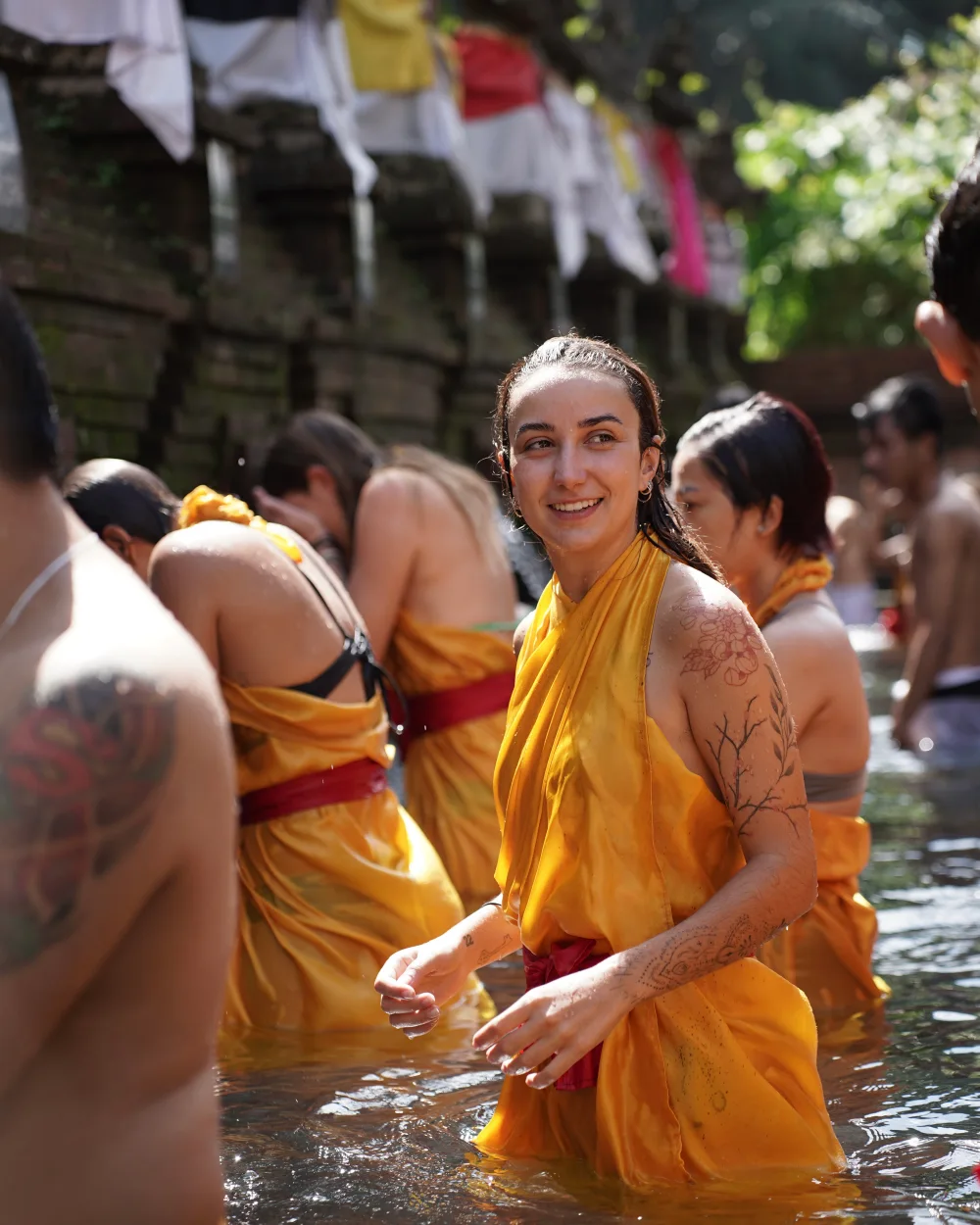
Getting Around Bali When It Rains
Heavy rain can affect visibility and make roads slippery. Traffic may also move more slowly, especially during a downpour.
For airport transfers and longer journeys:
- Confirm your pickup before you fly. Save the school’s address, contact details and driver information when provided.
- Allow extra travel time. Keep a buffer between your arrival and any important course activity.
- Protect documents and electronics. A simple waterproof pouch can prevent a frustrating first day.
- Check the forecast before a longer outing. Follow local weather warnings and advice.
- Avoid flooded roads and unsafe routes. If conditions are severe, wait or change your plans.
The 200-hour course page lists complimentary pickup from Bali’s Ngurah Rai International Airport for its residential/all-inclusive options. Packages differ, so confirm whether pickup applies to your booking, along with the meeting point and flight details. balyogaschool.com
If you plan to ride a scooter, consider your experience, licensing and insurance coverage. Wet roads can be challenging, particularly when you’re unfamiliar with local traffic.
Will Rain Affect Excursions?
It might. Temple visits, beach trips, walks and other outdoor activities depend on local conditions. Some plans may continue in light rain; others may need to be changed or postponed.
Ask your school which activities are included in your package and how weather-related changes are handled. Avoid planning an important outdoor experience for the only free hour in your itinerary.
If you have a free day and conditions are good, you can enjoy being outside. If the forecast changes, you might prefer a café, a book or a quiet afternoon with classmates. Both can be welcome breaks during a demanding course.
Heavy rainfall can cause flooding and landslides. Bali experienced serious flooding in September 2025, a reminder that students should take local warnings seriously rather than assume tropical rain is always brief or harmless. The Guardian
Are Accommodation and Meals Included?
That depends on the course and package you choose.
The 200-hour yoga teacher training page describes different package combinations, including residential options with accommodation and meals as well as other arrangements. It also lists mats and props for use during training. baliyogaschool.com
Before booking, ask for the following in writing:
- Your room category and whether the bathroom is private or shared.
- Which meals are included and whether there are exceptions.
- How dietary requirements and allergies are handled.
- Airport transfer details.
- Check-in and checkout dates.
- Laundry arrangements and any additional fees.
- The cancellation and refund policy.
If you have a severe food allergy, explain it before paying a deposit. Ask about ingredients, oils, shared equipment and whether the kitchen can safely accommodate your needs.
Our frequently asked questions are a useful starting point, and the team can clarify the details of your chosen course.
Should You Choose a Shorter Stay First?
A full teacher training course isn’t the only way to experience yoga in Bali. If you’re unsure about committing to a longer stay, a retreat can give you time to explore the island and establish a practice.
Our three-day yoga and healing retreat in Ubud offers a shorter visit, while the six-day restorative yoga retreat provides more time away.
A retreat and teacher training have different purposes. If your goal is to learn teaching skills, review the teacher training curriculum and requirements. If you mainly want rest and guided practice, a retreat may be a better fit.
Frequently Asked Questions
Is November a good time for yoga teacher training in Bali?
November can be a suitable time if the course dates work for you and you’re comfortable with changeable weather. Check the latest local forecast, pack for rain and keep outdoor plans flexible.
Can I do yoga teacher training in Bali in December?
Yes. You can join a course in December if your chosen program has availability. Confirm the dates, campus, accommodation and transfer arrangements before booking flights.
Does it rain all day during Bali’s rainy season?
Not necessarily. Some days have dry periods, while others can bring prolonged or heavy rain. Conditions vary by location, so it’s best not to rely on a fixed pattern.
Is January or February too rainy for yoga teacher training?
Not automatically. Both months fall within Bali’s generally wetter period, but suitability depends on your priorities and the course facilities. If outdoor sightseeing is an essential part of your trip, consider how you would feel if some plans had to change.
What happens if heavy rain affects the course?
Ask the school about its arrangements before booking. Ordinary rain and severe weather are different situations, and the response will depend on local conditions and safety advice.
Should I bring my own yoga mat?
Bali Yoga School states that mats are provided, but you can bring your own if you prefer. A personal mat towel may also be useful. Confirm the inclusions for your particular course.
Is rainy season cheaper for yoga teacher training in Bali?
Prices and availability vary by course, room and date. Don’t assume a rainy-season discount; check the current course page or ask the school for a written quote.
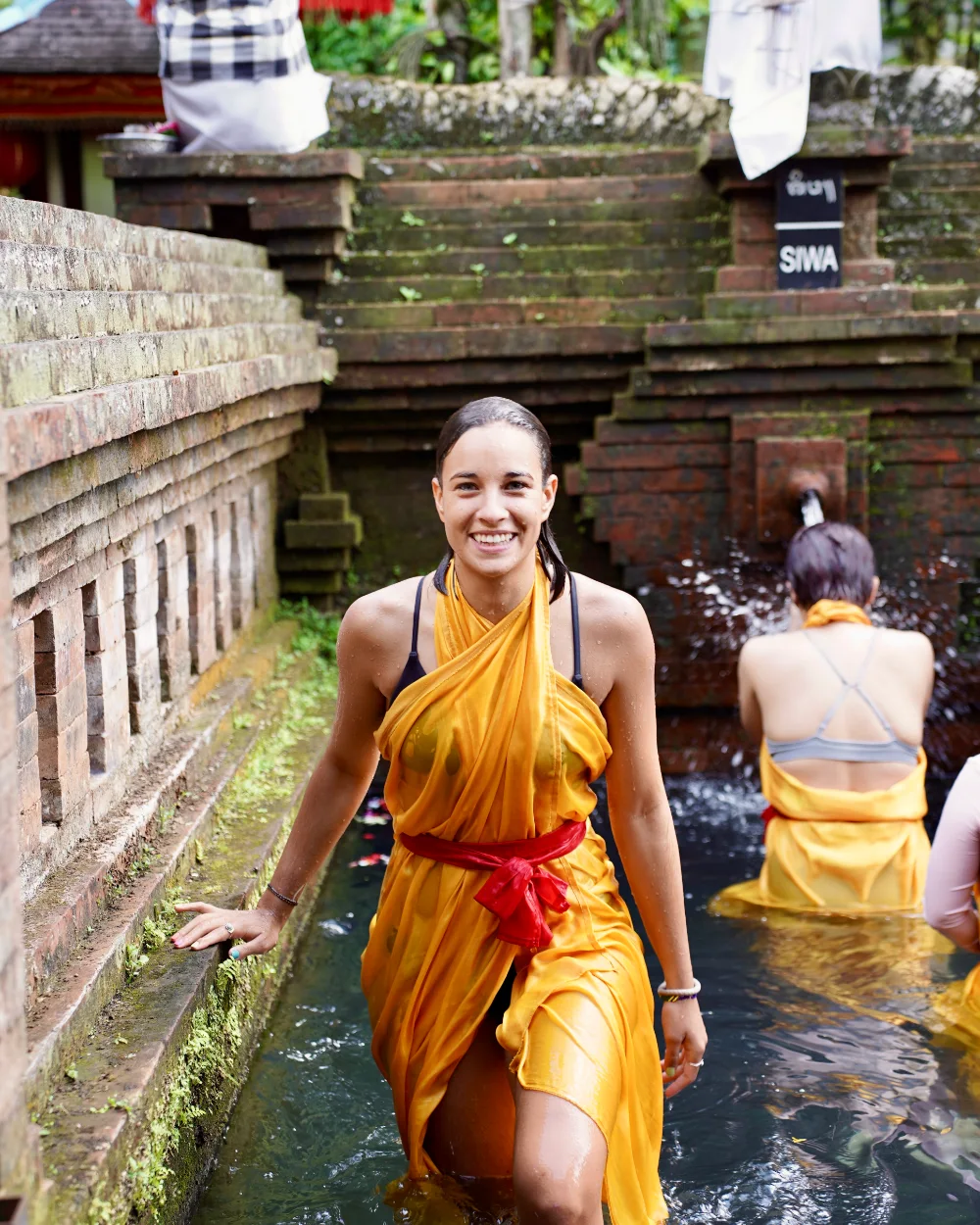
Rainy Season or Dry Season: Which Is Better for You?
Choose the dates that suit your life, your budget and the kind of experience you want.
If dry weather and outdoor travel are your main priorities, you may prefer to look at months that are generally drier. If you’re ready to study and your available time falls between November and March, a little preparation can help you make the most of your stay.
Rain may change how you spend a free afternoon. It doesn’t have to change why you came to Bali in the first place.
To explore your options, visit our 200-hour yoga teacher training in Bali or 200-hour Yin yoga teacher training. For questions about dates, rooms or arrival arrangements, contact the Bali Yoga School team through the course page.