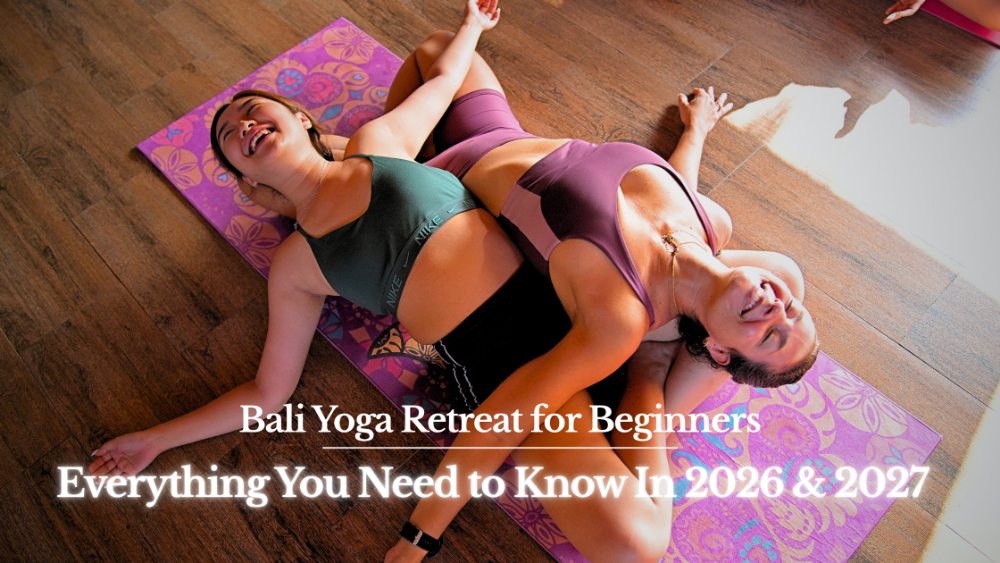
Bali Yoga Retreat for Beginners – Everything You Need to Know In 2026 & 2027
You’re interested in a yoga retreat in Bali, but you’ve never been to one before. Perhaps you’ve attended a few classes at home. Perhaps you haven’t stepped onto a yoga mat at all.
Either way, it’s natural to have questions. Will everyone else be more experienced? How much yoga will you do each day? Can you come alone? And what happens if you need to rest?
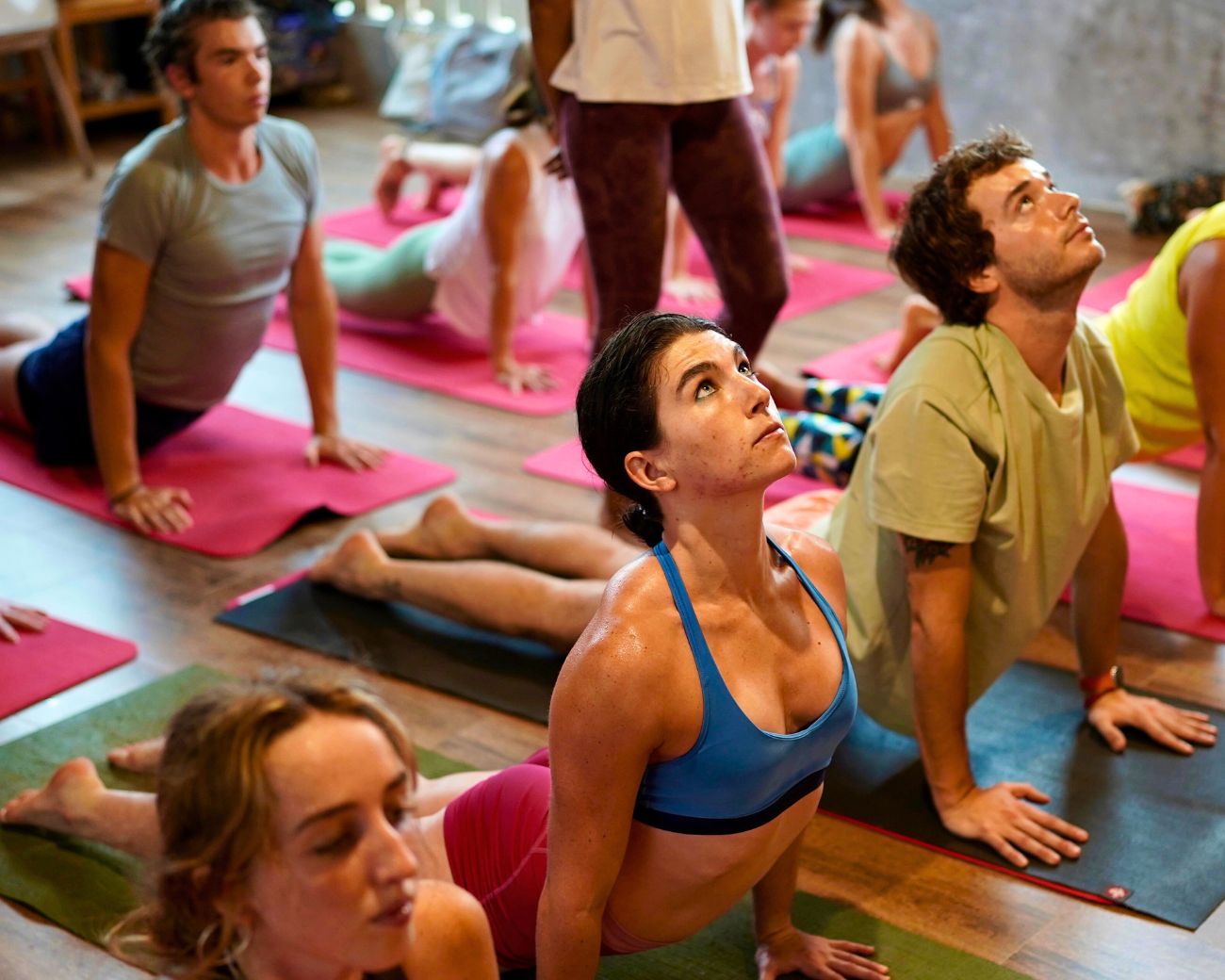
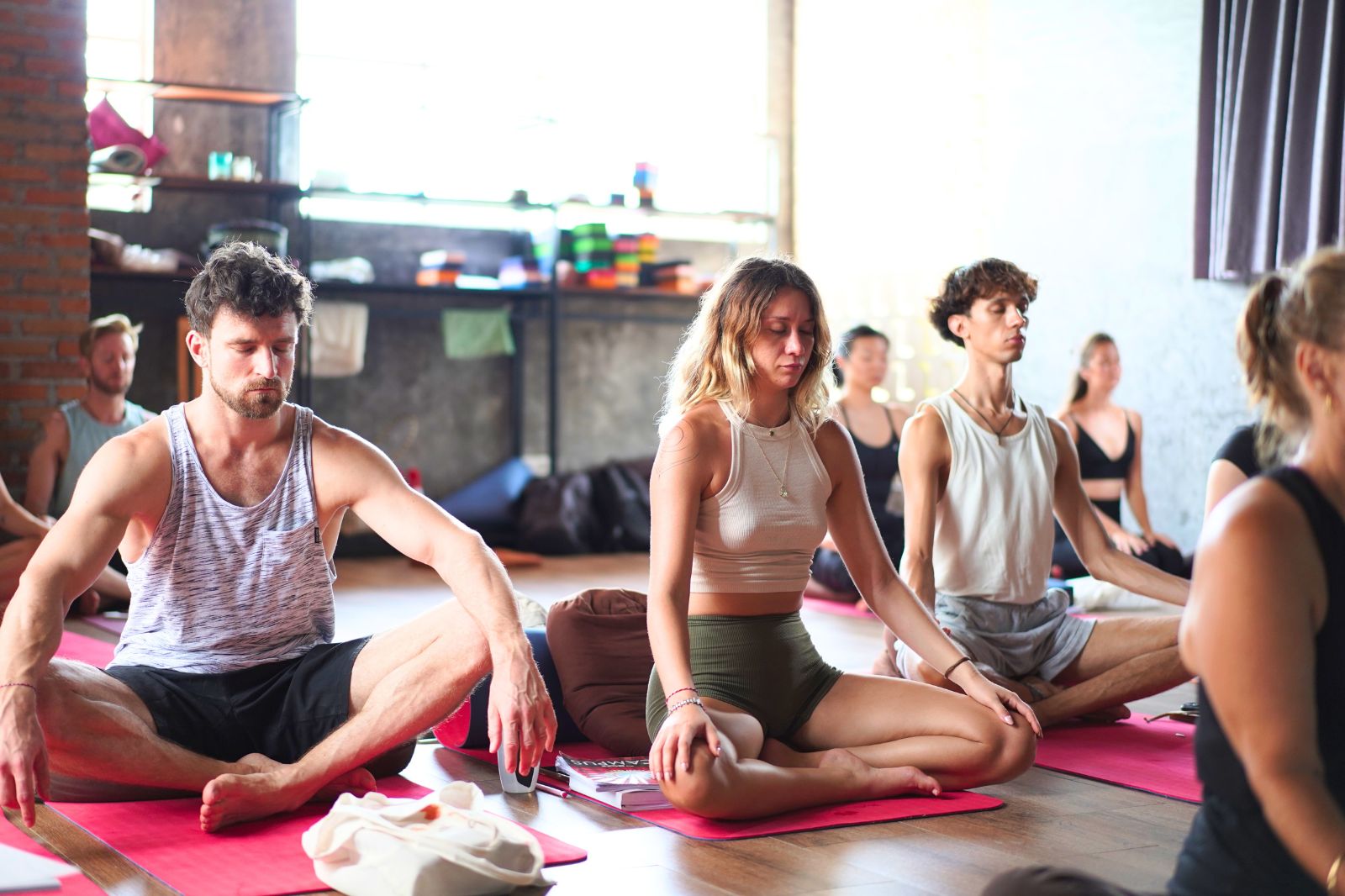
A good first step is to look beyond the photographs and read the daily schedule. Some retreats centre on flowing yoga and meditation. Others leave more time for supported postures, massage or simply sitting by the pool with a book.
At Bali Yoga School in Ubud, guests can choose from several residential retreats. This guide will help you compare them and prepare for your first Bali yoga retreat for beginners.
 Can You Join a Yoga Retreat With No Experience?
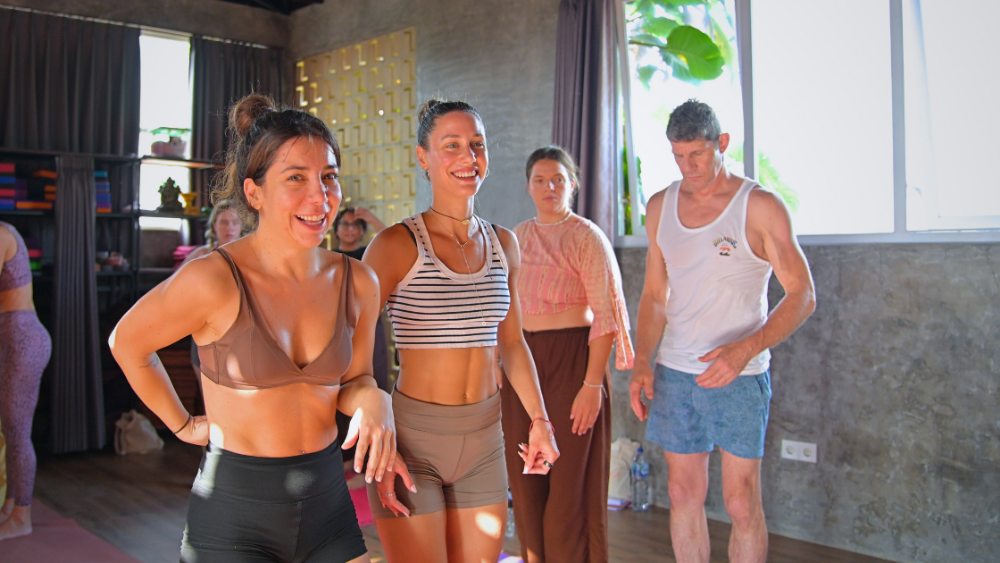
Yes. You don’t need to touch your toes, know Sanskrit or have an established meditation practice before joining a beginner-friendly retreat.
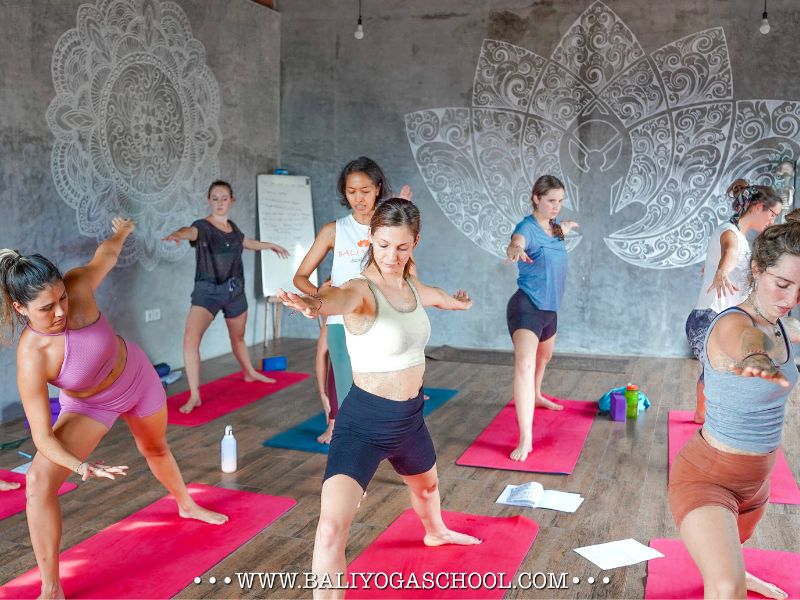
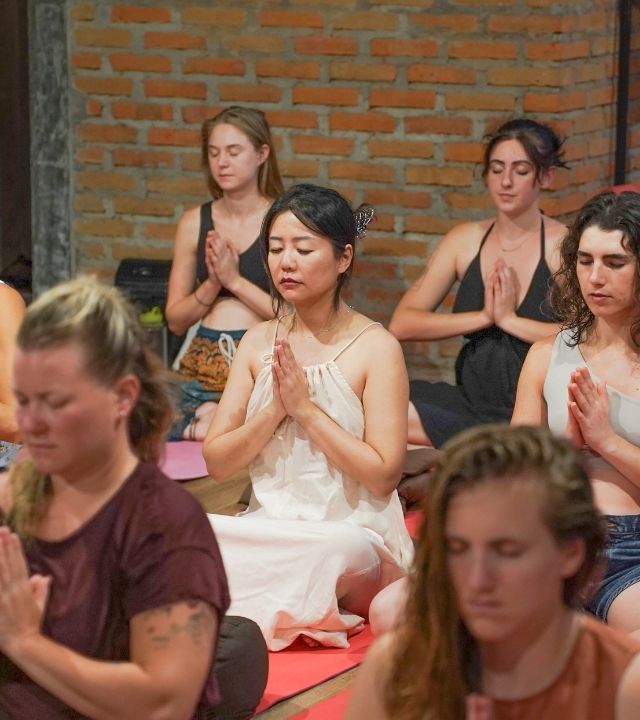
What helps is letting the teacher know that you’re new. You can ask them to demonstrate a movement again, suggest a simpler option or explain how to use a prop. You can also rest whenever you need to.
The National Center for Complementary and Integrative Health’s yoga guide recommends appropriate instruction and attention to individual needs. If you have an injury, are pregnant or have a health condition that could affect your practice, speak with a healthcare professional and the retreat team before booking. NCCIH
The goal of a first retreat is to learn and participate at a pace that works for you.
First Decide What Kind of Retreat You Want
Before looking at prices, ask yourself what you want your days to feel like.
- A short introduction: You want to try yoga and meditation but have only a few days.
- Yoga and sound: You’re curious about guided practice and listening-based relaxation.
- A mix of activities: You want yoga, sound sessions, Reiki and massage.
- A slower schedule: You prefer supported yoga, breathwork, massage and more personal time.
Bali Yoga School’s Ubud retreats offer different combinations. A longer stay does not simply repeat the shorter retreat: each programme has its own focus.
| Ubud retreat | Duration | Main focus |
|---|---|---|
| 3-Day Yoga & Healing Retreat | 3 days / 2 nights | Vinyasa Flow, meditation, Reiki and massage |
| 4-Day Yoga, Meditation & Sound Healing Retreat | 4 days / 3 nights | Yoga, meditation and sound experiences |
| 5-Day Yoga Retreat | 5 days / 4 nights | Hatha Vinyasa, meditation, sound, Reiki and Balinese massage |
| 6-Day Restorative Retreat | 6 days / 5 nights | Restorative yoga, breathwork, sound and massage |
Schedules and inclusions can change. Check your chosen retreat page and ask the team to confirm the programme for your dates.
What Happens on a 3-Day Yoga Retreat?
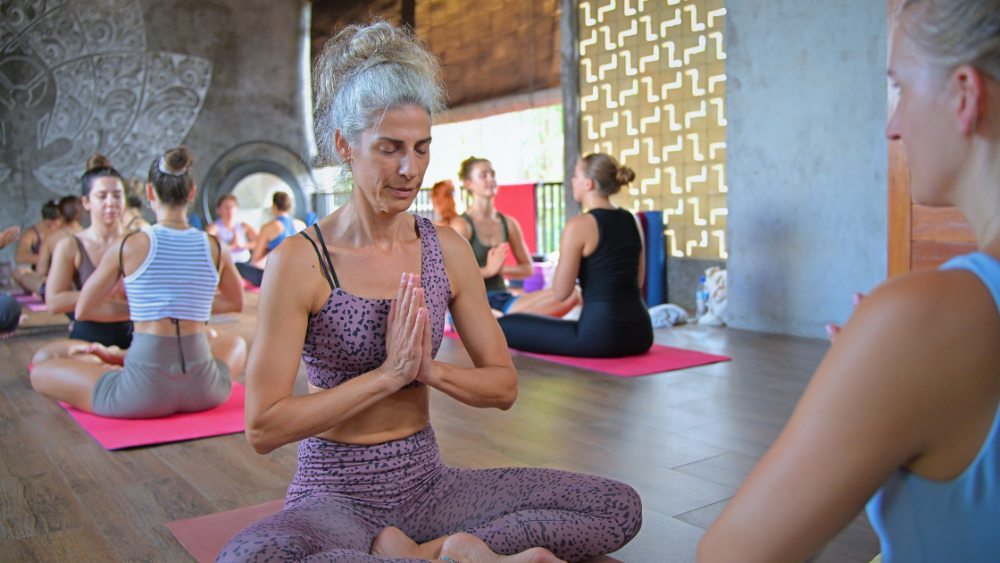
The 3-Day Yoga & Healing Retreat is an introduction for guests who want a shorter stay.
The published package includes two Vinyasa Flow sessions, guided meditation, Reiki, a Balinese massage and an Ayurvedic massage, along with two nights of accommodation and meals.
The first day is for arriving and settling in, with a massage later in the day. The following day brings yoga, meditation, Reiki and another massage. On the final morning, guests practise before breakfast and departure.
The page says no previous yoga, meditation or Reiki experience is required. Solo travellers can ask about shared or private accommodation; shared-room matching depends on availability. baliyogaschool.com
This may suit you if: You want to try a retreat for the first time without committing to a longer stay.
What Makes the 4-Day Retreat Different?
The 4-Day Yoga, Meditation & Sound Healing Retreat gives guests more time to explore three connected activities: yoga, meditation and sound.
The published programme includes guided asana and meditation each day, sound experiences, three nights of accommodation, meals, equipment and pool access.
There is one important difference from the other retreats: Balinese massage, Ayurvedic massage and Reiki are listed as optional paid add-ons, not standard inclusions. They require advance confirmation and depend on practitioner availability.
The page describes a revised curriculum and asks guests to reconfirm the current schedule, room, price and inclusions before paying. Sound Healing
This may suit you if: You are curious about meditation and sound but don’t need massage included in your package.
What Happens on the 5-Day Yoga Retreat?
The 5-Day Yoga Retreat in Ubud offers a varied introduction to yoga and wellness activities.
Its published itinerary includes Hatha Vinyasa Yoga, pranayama and meditation on the middle mornings. It also lists two sound sessions, one Reiki session and four full-body Balinese massages during the stay.
A typical middle day begins with breathing and meditation, followed by yoga and breakfast. A sound or Reiki session appears later in the morning, with massage scheduled in the afternoon.
The retreat lasts five days and four nights. The school notes that class timings may be adjusted, so ask for the latest itinerary for your booking. baliyogaschool.com
This may suit you if: You want to try several different activities and like the idea of massage being included.

Is the 6-Day Retreat More Gentle?
The proposed 6-Day Restorative Yoga & Healing Retreat is designed around a slower rhythm.
Its published programme focuses on supported Restorative Yoga, guided breathwork, sound experiences and time for rest. It lists five full-body Balinese massages, scheduled across the first five days.
There is also personal time for reading, swimming, journaling or exploring Ubud independently. Off-campus activities and transport are not automatically included.
The school describes the schedule as a proposed restorative curriculum. Confirm the final timetable, massage availability and exact number of sound sessions before paying. baliyogaschool.com
This may suit you if: You prefer slower movement and want more time between activities.
How Much Does a Beginner Yoga Retreat in Bali Cost?
The Ubud retreat pages displayed the following advertised rates when checked on 10 November 2026:
| Retreat | Twin-shared room | Lowest listed private-room rate |
|---|---|---|
| 3 days / 2 nights | From USD 250 per person | From USD 400 per person |
| 4 days / 3 nights | USD 350 | USD 400, Campus II |
| 5 days / 4 nights | USD 450 | USD 500, Campus II |
| 6 days / 5 nights | USD 550 | USD 600, Campus II |
Campus I private-room rates differ for the four-, five- and six-day programmes. These are advertised rates, not a guarantee for every date or a promise that a promotion will continue through 2027.
Before paying, ask the school to confirm:
- The final price for your dates and room.
- Whether a shared-room price is per person and how matching works.
- Meals and any Sunday exceptions.
- Massage and sound-session availability.
- Transfer fees, optional activities and taxes.
- Cancellation, refund and rescheduling terms.
The course payment page is a starting point; ask the team for the terms that apply to your specific retreat. baliyogaschool.com
What Does “Beginner-Friendly Yoga” Actually Mean?
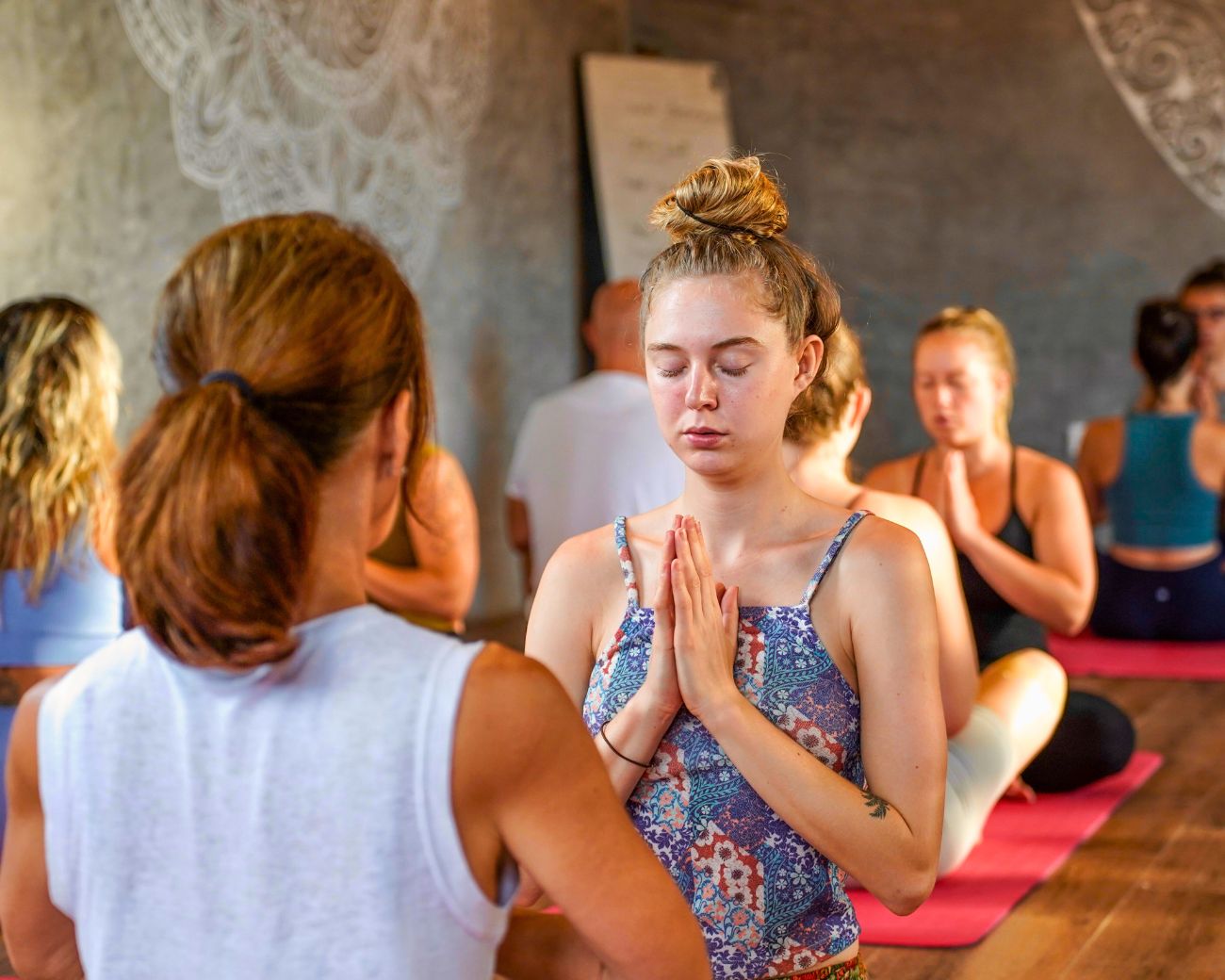
A beginner-friendly class should give you room to learn without feeling pressured to copy the person next to you.
You may hear some unfamiliar words during your retreat:
Hatha Yoga often involves practising postures with attention to position and breathing.
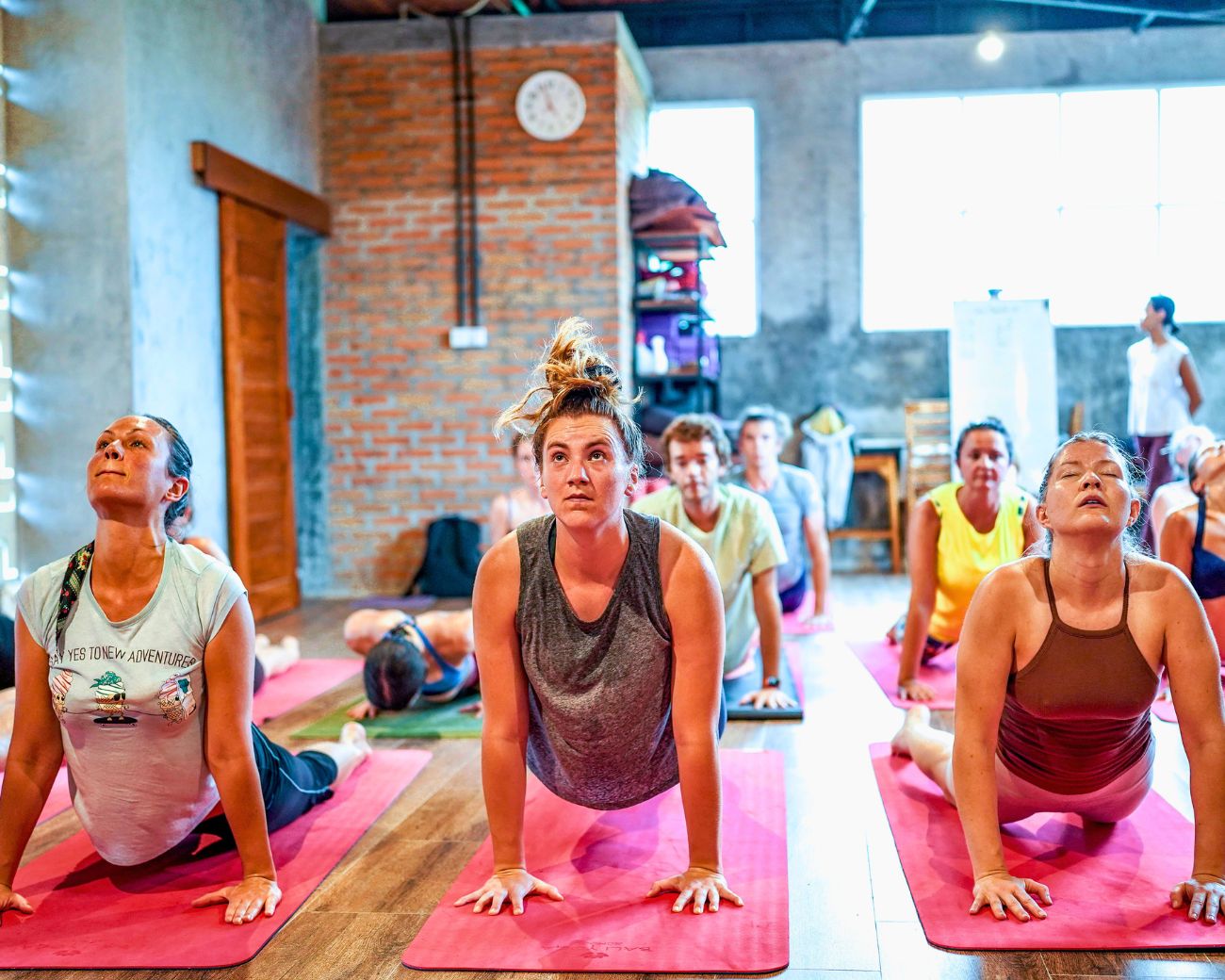
Vinyasa Flow connects movements in a sequence. If the pace feels unfamiliar, ask the teacher to show you a simpler transition or let you pause.
Restorative Yoga uses slower, supported positions and gives more time for rest.
Pranayama refers to yogic breathing practices. Tell the teacher if you feel dizzy or uncomfortable, and avoid forcing your breath.
Your teacher can explain what is planned for your particular class. Read the school’s teacher profiles if you would like to learn more about the people who may guide your stay. Faculty can change, so ask who is expected to teach your dates.

What Are Sound Healing and Reiki Sessions Like?
These may be new experiences, so it helps to know what you are booking.
Sound Sessions
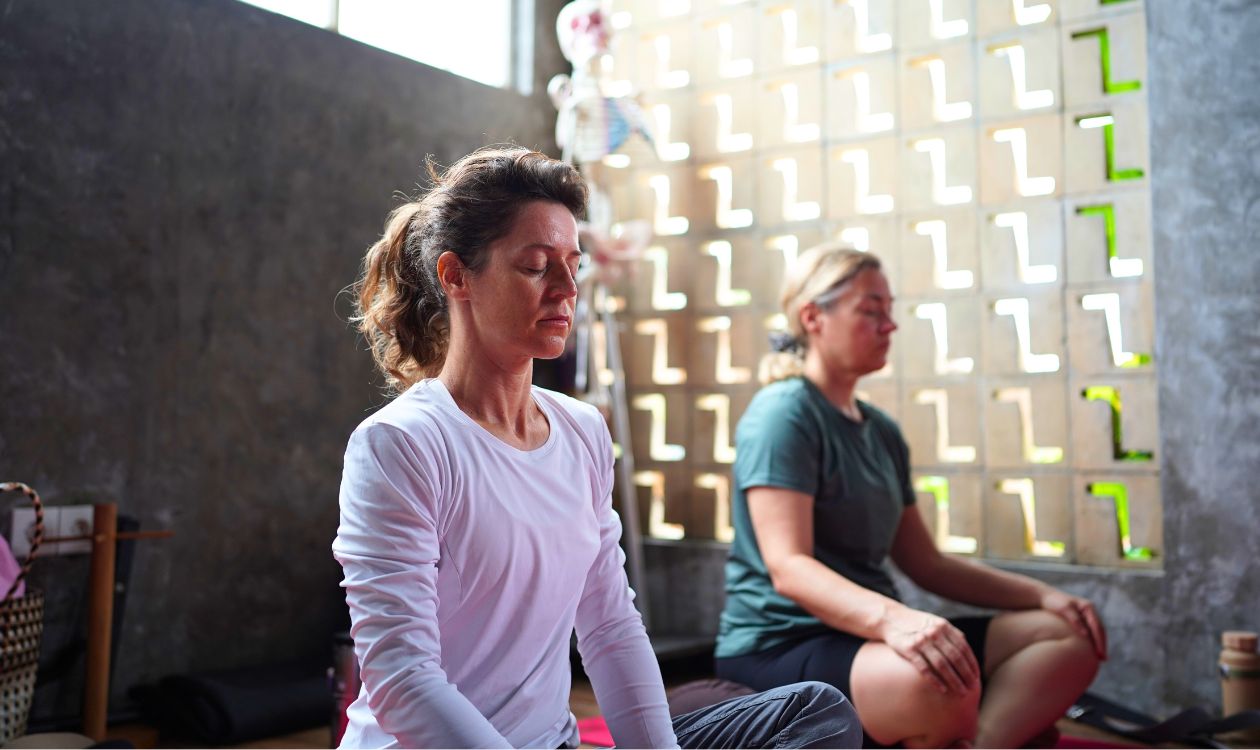
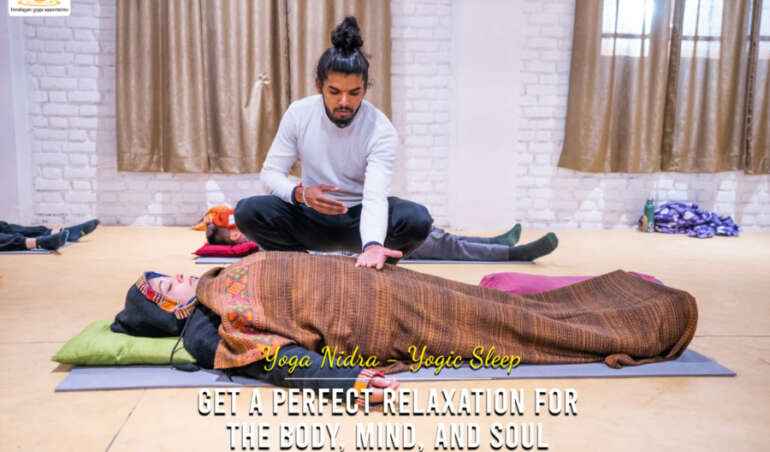
A sound session usually gives guests time to sit or lie comfortably while listening to instruments and guided instructions. You don’t need musical experience.
If you are sensitive to sound, tell the facilitator. Ask where you can sit and whether you can leave or take a break if the volume feels uncomfortable.
Reiki
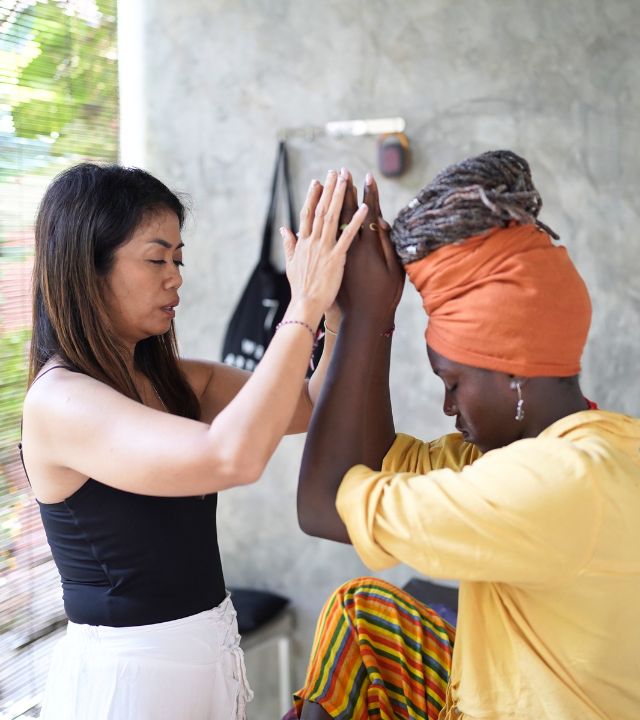
Reiki is a complementary practice in which a practitioner may place their hands lightly on or near the recipient. Before the session, ask what will happen and discuss your preferences about touch.
The NCCIH guide to Reiki states that Reiki has not been clearly shown to be effective for health-related purposes and that there is no scientific evidence for the proposed energy field. It should not replace medical care. NCCIH
The retreat sessions are wellness experiences. Guests interested in further study can separately explore the school’s Level 1 Sound Healing course or Level 1 Reiki course.
What Is It Like to Stay at the Ubud Campus?
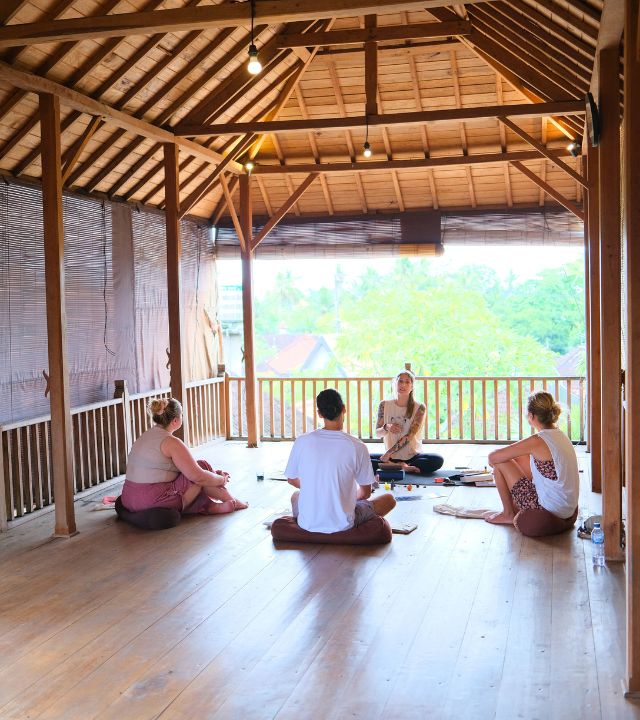
A residential retreat means your accommodation, classes and much of your daily routine are centred around the school.
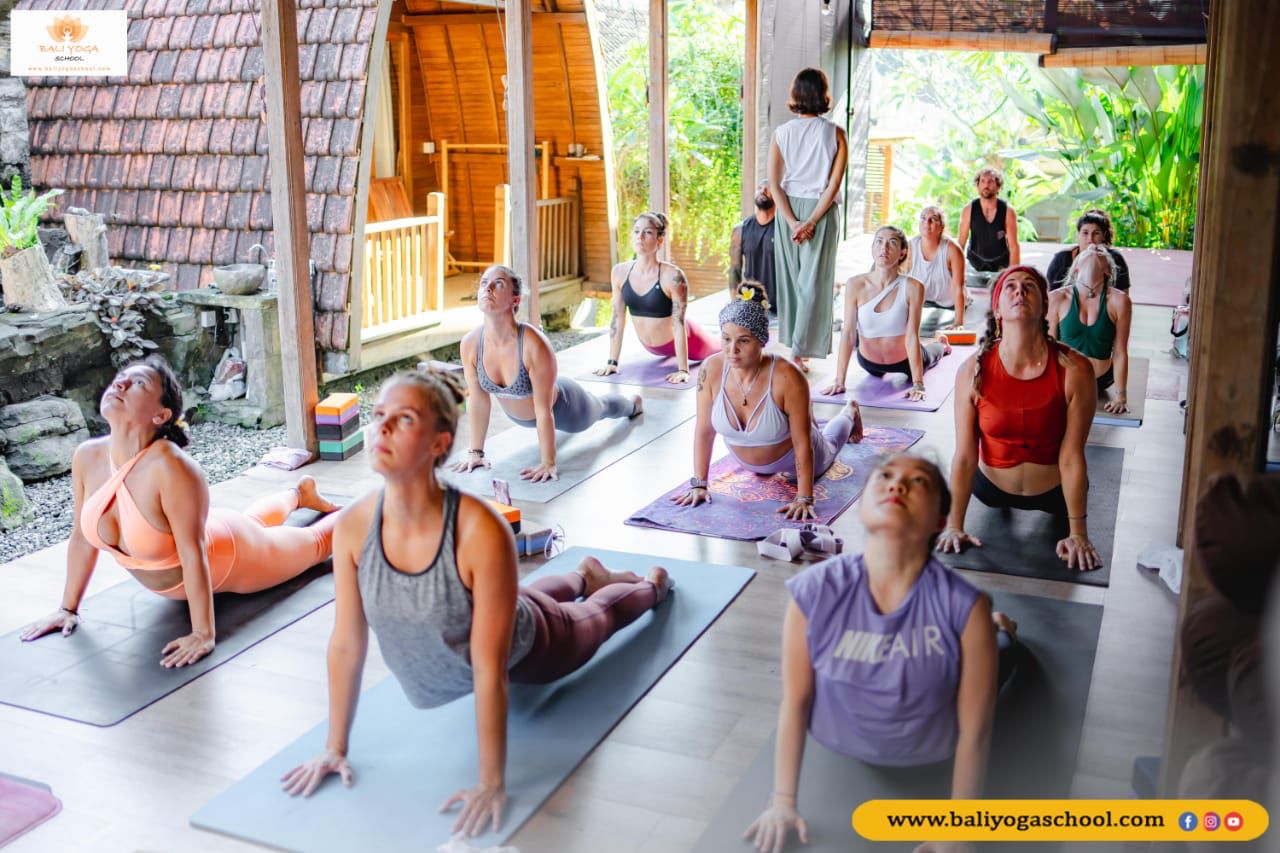
Bali Yoga School’s published retreat pages describe private and twin-shared rooms, air conditioning and attached bathrooms. The campus also has gardens, yoga spaces and two swimming pools.
You can get a better sense of the setting through the Ubud campus photographs and campus videos. Ask which campus and room category are included in your booking.
Many guests enjoy meeting people at meals or between sessions. It is also fine to use your free time quietly. If you’re travelling alone and considering a shared room, ask how roommates are arranged and what happens if no suitable match is available.
What About Meals and Food Allergies?
The school’s retreat pages describe vegetarian meals and vegan options. The exact meal schedule can differ by programme and day.
Take a look at the yogic food menu and confirm what is included for your dates. The six-day page specifically asks guests whose stay includes a Sunday to check meal arrangements. baliyogaschool.com
If you have an allergy, explain it before paying your deposit. Tell the team which ingredient is involved, how serious the allergy is and whether you need to avoid cross-contact.
Ask whether the kitchen uses the ingredient or related oils and whether your meals can be prepared safely. A vegetarian or vegan meal is not automatically nut-free, gluten-free or suitable for every allergy.
What Should You Pack for a Yoga Retreat in Bali?
You don’t need a suitcase full of yoga equipment. The retreat pages list yoga mats and practice equipment for the relevant programmes, but you can bring a personal mat if you prefer.
A simple packing list includes:
- Comfortable clothes for yoga and meditation.
- Swimwear and sandals.
- Sunscreen and insect repellent.
- Personal toiletries and any prescribed medication.
- A reusable water bottle.
- A notebook or journal.
- A light layer for air-conditioned spaces.
- Passport, travel documents and insurance details.
Check airline rules for medication and carry important supplies in your hand luggage. The CDC’s Indonesia travel guidance includes information on vaccinations, mosquito-bite prevention and travel health. CDC
For entry requirements, consult the official Indonesian immigration website and check the rules relevant to your nationality and trip.
How Do You Get From the Airport to Ubud?
Bali Yoga School’s retreat information says airport pickup can be arranged for an additional fee. Send your arrival details to the team and confirm the price, meeting point and pickup arrangements before you travel.
The Ubud campus pages describe the school as approximately a 10-minute ride from central Ubud. Travel times depend on the route and traffic, so allow flexibility in your plans.
You can contact the retreat team to discuss arrival and room availability.
Can You Come Alone?
Yes. Solo guests can join the school’s retreats. You may prefer a private room for quiet time, or you can ask whether a twin-shared room is available.
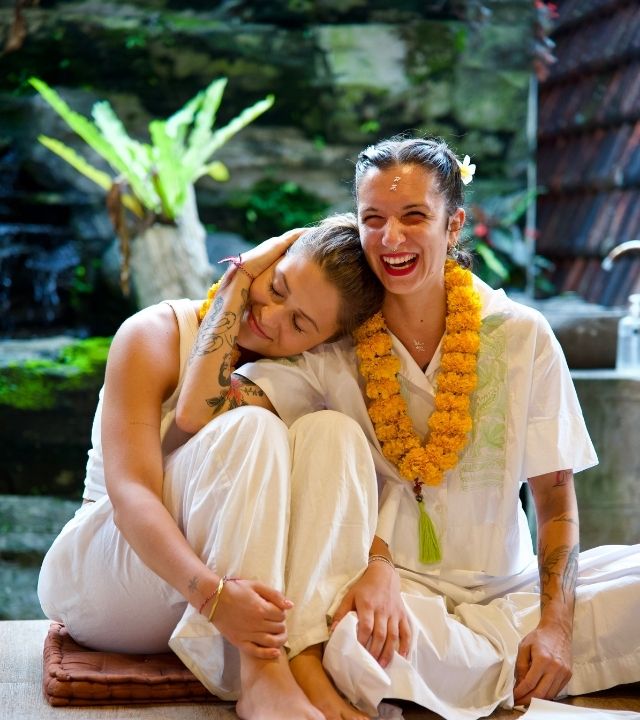
A retreat gives you opportunities to meet people during meals and classes, but you don’t have to spend every free moment in a group. Bring a book, take a walk or rest if that is what you need.
Friends and couples can also ask about room arrangements before booking. Confirm whether the room has the bed configuration you want.
Retreat or Yoga Teacher Training: Which One Do You Need?
A retreat is for participating in the activities described in its itinerary. It does not automatically provide a yoga teaching qualification.
If your goal is to learn how to teach, look at the separate 200-hour yoga teacher training in Bali and ask about its syllabus, assessments and certificate requirements.
A retreat can still be a useful first experience if you want to discover whether you enjoy a residential yoga setting before considering a longer course.
Questions to Ask Before Booking Your First Retreat
A few clear answers will help you avoid surprises when you arrive:
- Is the retreat suitable for my experience and health needs?
- How physically active are the yoga sessions?
- Which treatments and activities are included?
- How much free time is there each day?
- Which room category is available for my dates?
- What meals are included, especially on Sundays?
- Can the kitchen accommodate my allergy or dietary requirement?
- Is airport pickup available, and what does it cost?
- What are the cancellation and rescheduling terms?
- Is the published schedule final or subject to confirmation?
The Bali Yoga School FAQ answers general questions, and the contact team can help with your specific dates and needs.
Frequently Asked Questions
Do I need to be flexible to join a Bali yoga retreat?
No. Tell the teacher you are a beginner and ask for modifications when you need them. You can take a break during practice.
Which retreat is best for a complete beginner?
That depends on the experience you want. The three-day retreat offers a shorter introduction; the six-day programme is designed around slower Restorative Yoga. Compare the schedules and discuss any concerns with the school.
Are massages included in every retreat?
No. The published three-, five- and six-day programmes list massage treatments. The four-day programme lists massage as an optional paid add-on. Confirm the final inclusions for your dates.
Can I join a retreat alone?
Yes. Solo guests are welcome. Ask about private rooms or the availability and arrangements for twin-shared accommodation.
Are vegetarian or vegan meals available?
The retreat pages describe vegetarian meals and vegan options. Confirm the schedule, Sunday arrangements and any allergy requirements before booking.
Can I book for 2027?
The school advertises retreats throughout the year, subject to availability. Contact the team to confirm your preferred 2027 dates, room, programme and price.
Find the Right First Retreat for You
Your first retreat can be short and active, slower and more restful, or somewhere between the two. The best choice is the one whose schedule, accommodation and activities fit what you want from your time in Bali.
Start by comparing the 3-day retreat, 4-day retreat, 5-day retreat and 6-day restorative retreat. Then ask the team about the details that matter to you.
Contact Bali Yoga School about your first retreat
References and Further Reading
- Bali Yoga School — 3-Day Retreat: programme, accommodation and published rates.
- Bali Yoga School — 4-Day Retreat: proposed programme and optional add-ons.
- Bali Yoga School — 5-Day Retreat: itinerary and published inclusions.
- Bali Yoga School — 6-Day Restorative Retreat: proposed curriculum, massage and accommodation details.
- NCCIH — Yoga: Effectiveness and Safety: information about research and safe practice.
- NCCIH — Reiki: evidence and safety information.
- CDC — Indonesia Travel Health: travel-health guidance.
- Indonesian Immigration: official entry and immigration information.