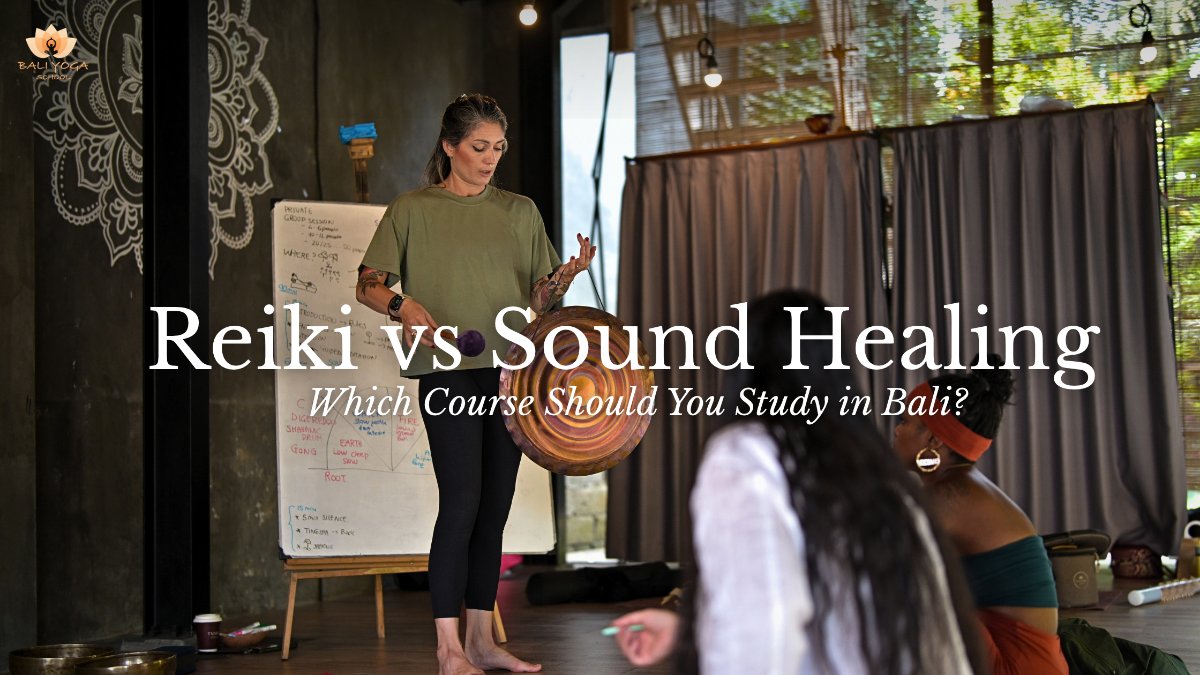
Reiki VS Sound Healing – Which Course Should You Study In Bali
Bali has become a popular destination for yoga, meditation, holistic wellness, and personal development. Beyond yoga teacher training, two practices attract particular interest: Reiki healing and sound healing. Both are explored as relaxation and contemplative practices, but their traditions, techniques, and training experiences differ.
At Bali Yoga School, students can explore both practices in structured wellness courses that combine traditional concepts with practical learning, yoga, and meditation.
What Is Reiki Healing?
Reiki is a Japanese complementary wellness practice rooted in a traditional concept of universal life-force energy. “Rei” is often interpreted as universal or spiritual, while “Ki” refers to vital energy. Modern Reiki was developed by Mikao Usui in Japan in the early twentieth century. His teachings emphasize meditation, personal discipline, compassion, and hands-on practice.
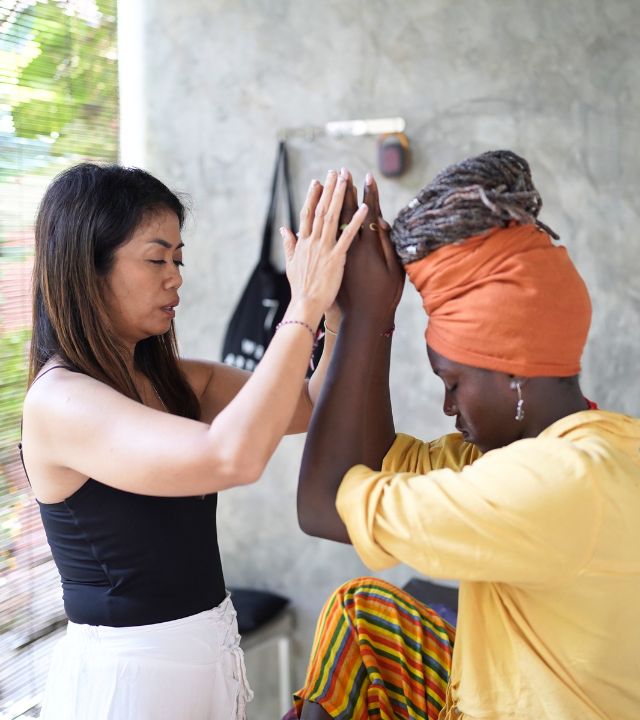
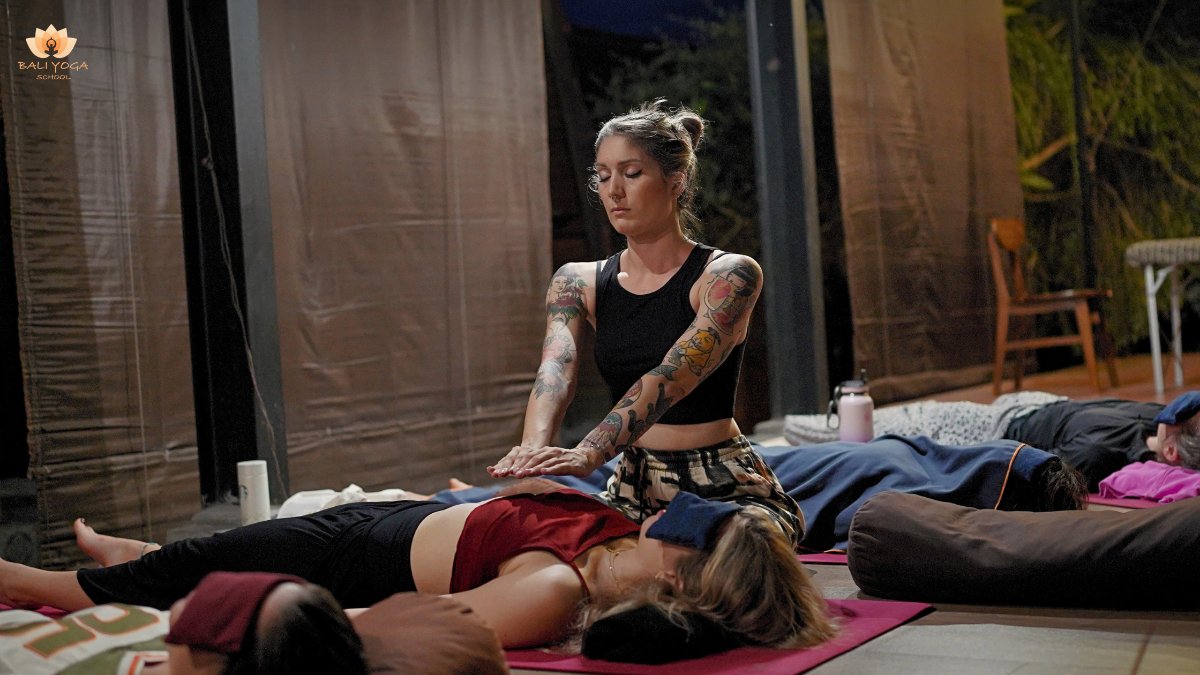
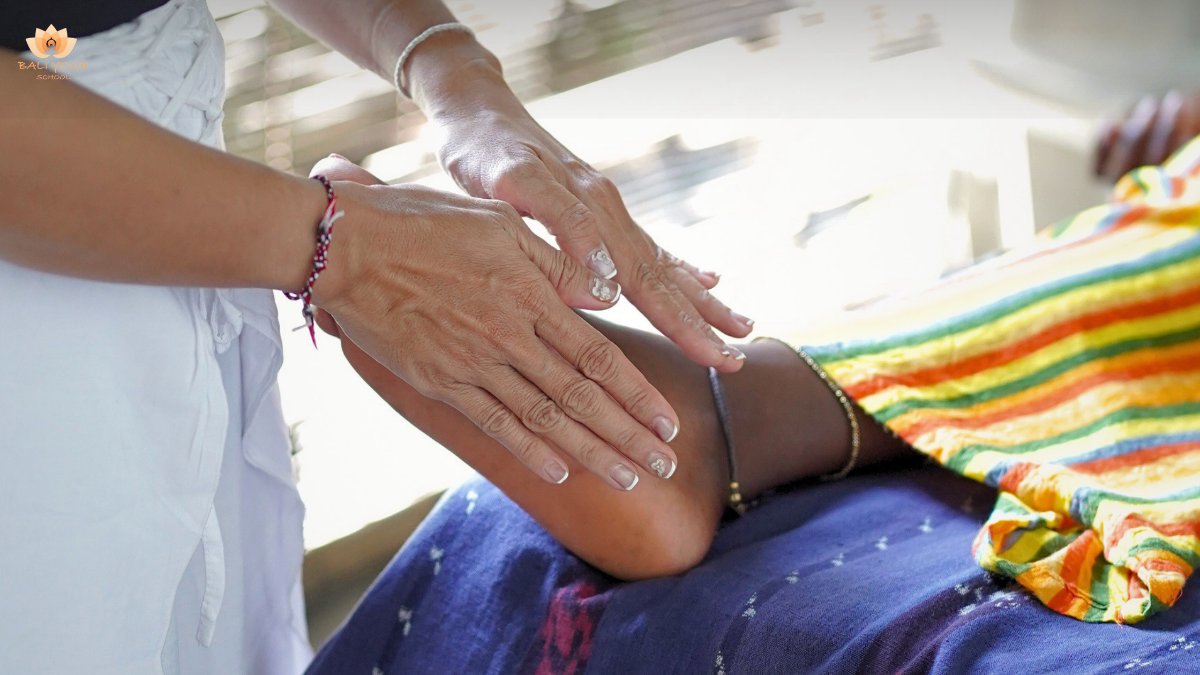
In a session, practitioners place their hands gently on or slightly above the recipient’s body. Reiki does not require massage pressure or special instruments. Its traditional principles encourage avoiding anger and worry, practicing gratitude, working sincerely, and showing kindness.
Potential Benefits and Limitations
People explore Reiki for relaxation, stress management, emotional reflection, self-compassion, and meditative awareness. It also appeals to yoga teachers and wellness facilitators seeking another contemplative practice.
Research remains limited and inconsistent. The National Center for Complementary and Integrative Health’s Reiki overview states that Reiki has not been clearly shown effective for health-related purposes and that the proposed energy field lacks scientific evidence. Reiki should never replace qualified healthcare.
For students, the purpose of a Reiki course in Bali is to learn the practice and its traditions, without assuming that a completion certificate establishes clinical effectiveness.
What Is Sound Healing?
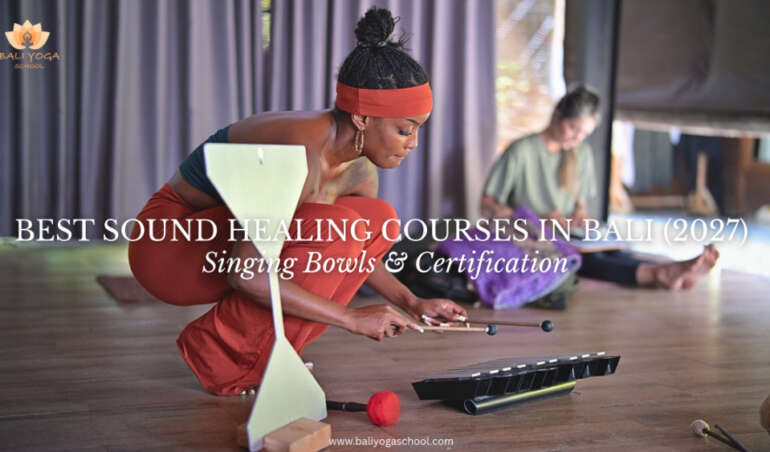
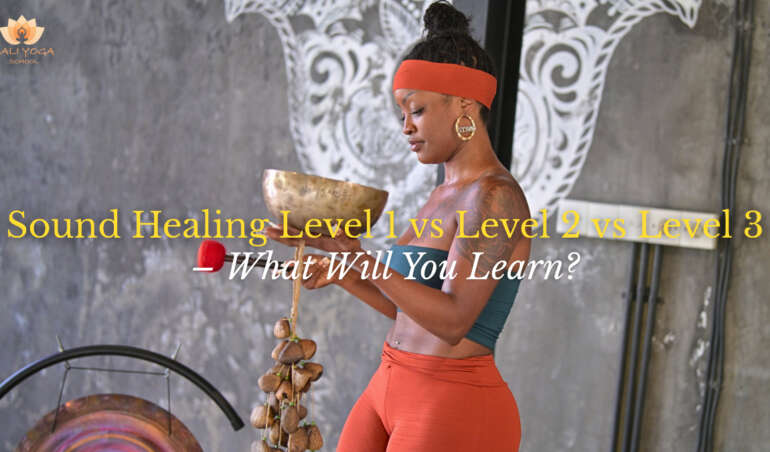
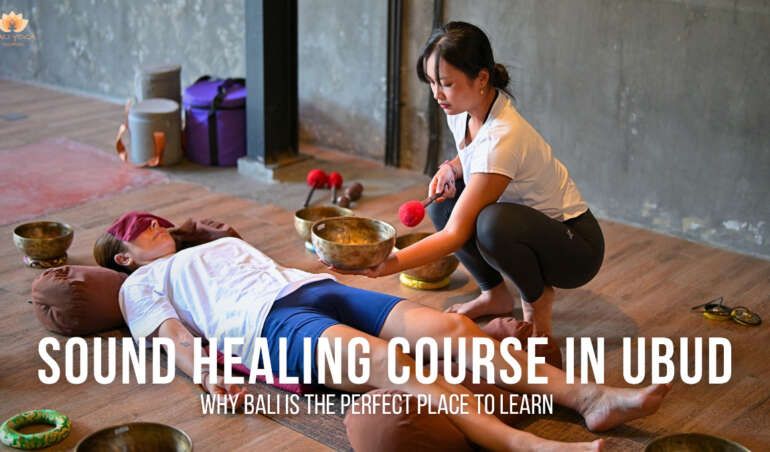
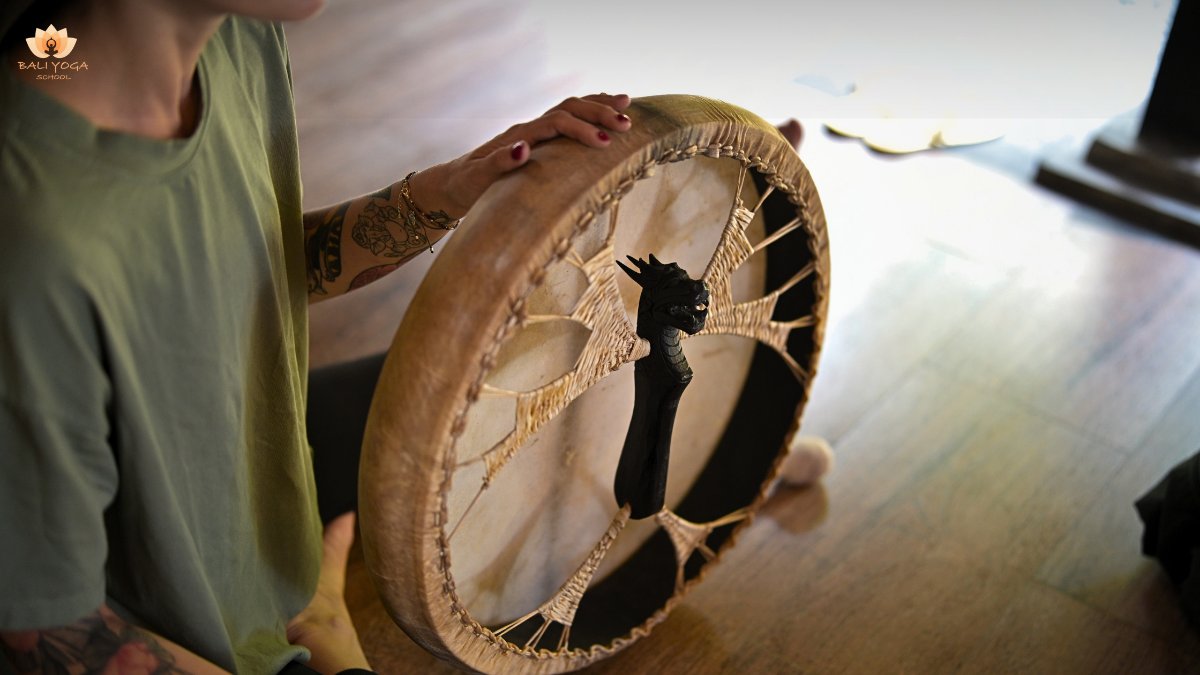
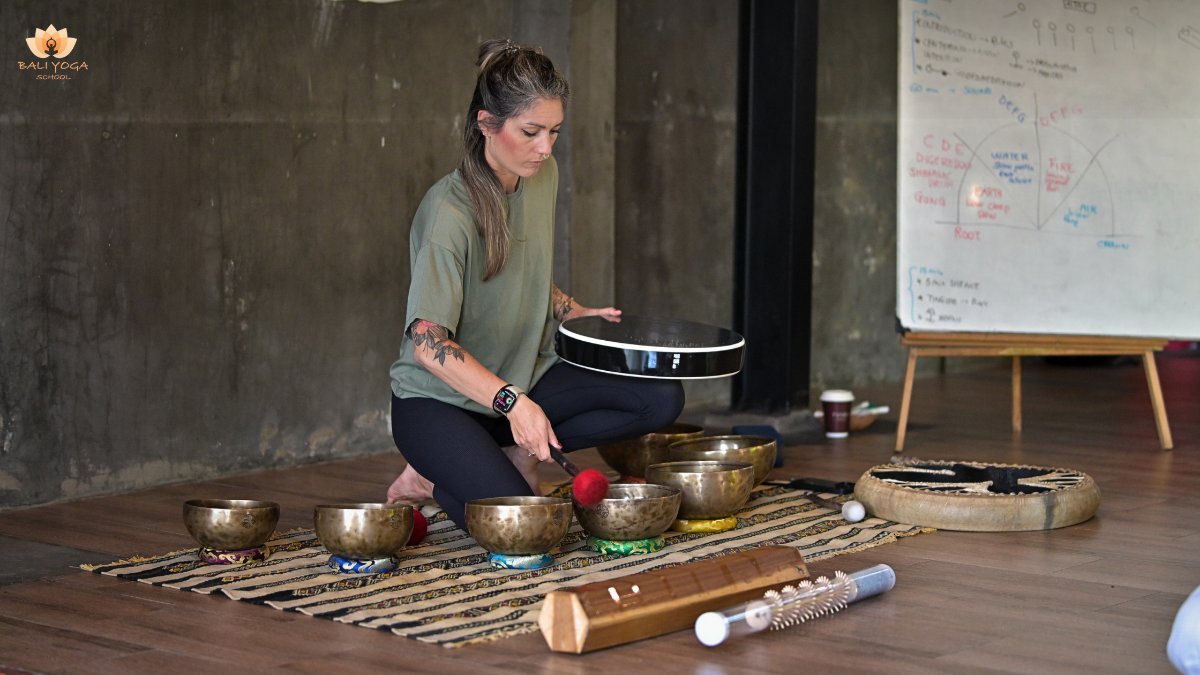
Sound healing uses tones, resonance, rhythms, and instruments to create immersive listening experiences. Practitioners may use Tibetan-style singing bowls, gongs, bells, chimes, rain sticks, and drums in individual or group sessions. Instead of hand positioning, it provides a sensory environment in which participants focus on sustained tones and changing sound textures.
Origins of Sound Healing
Chanting, bells, and drumming have featured in spiritual and cultural ceremonies across many societies for centuries. Contemporary sound baths combine diverse musical traditions with modern meditation and relaxation methods. Although singing bowls are associated with Himalayan and Tibetan-inspired practices, the exact history of contemporary singing-bowl therapy is not fully established.
Potential Benefits and Limitations
Sound baths may encourage relaxation, meditative focus, emotional reflection, and shared group experiences. Preliminary studies have reported improvements in self-reported mood and relaxation, but stronger evidence is needed.
For example, an observational study of singing-bowl sound meditation involved 62 adults and reported lower self-rated tension and several negative mood scores after a session. It had no control group, so it cannot establish that the instruments caused those changes or demonstrate treatment of an illness.
Claims that specific frequencies cure illnesses, detoxify organs, or medically unblock chakras are not supported by strong clinical evidence. A sound healing course should therefore be approached as practical wellness education, rather than medical training.
Reiki vs Sound Healing: Key Differences
| Feature | Reiki | Sound Healing |
|---|---|---|
| Origin | Modern Japan, early 1900s | Multiple traditions; modern sound baths |
| Method | Gentle hand positioning and intention | Instruments, tones, rhythms and vibrations |
| Learning focus | Self-practice and traditional energy concepts | Instrument skills and session facilitation |
| Equipment | Minimal | Bowls and other instruments |
| Typical sessions | Often individual | Individual or group |
| Common appeal | Meditation and reflection | Music and sensory meditation |
| Healthcare status | Complementary wellness practice; not a replacement for treatment | Wellness practice; not a replacement for treatment |
Reiki Courses at Bali Yoga School
Bali Yoga School offers Reiki Levels 1, 2, and 3 as well as combined training options. Courses bring theory together with guided practice, meditation, and traditional Reiki concepts.
Level 1: Foundations
In Reiki Level 1, students explore Reiki history, the five principles, self-practice, breathing, cleansing meditation, aura concepts, and Reiki attunement.
This is a suitable entry point for beginners. Aura practices and attunement are taught within the traditional Reiki framework, not as medical assessment methods.
Level 2: Developing Techniques
Reiki Level 2 introduces traditional symbols, distant-healing concepts, chakra balancing, selected crystal practices, and how to structure sessions. These are traditional spiritual concepts, not validated clinical treatments.
Level 3: Advanced Practice
Reiki Level 3 covers the traditional master symbol, further attunement work, aura-related concepts and other advanced spiritual practices listed in the school’s syllabus. Students should read the full curriculum and confirm prerequisites before progressing.
Reiki Training Options
- Individual Reiki Levels 1, 2, and 3.
- Combined Reiki Levels 1 & 2: published duration of 4 days and 3 nights.
- Combined Reiki Levels 1, 2 & 3: published duration of 6 days and 5 nights.
- Selected programs offer accommodation-inclusive or tuition-only options; completion certificates are awarded after successful participation.
Sound Healing Courses at Bali Yoga School
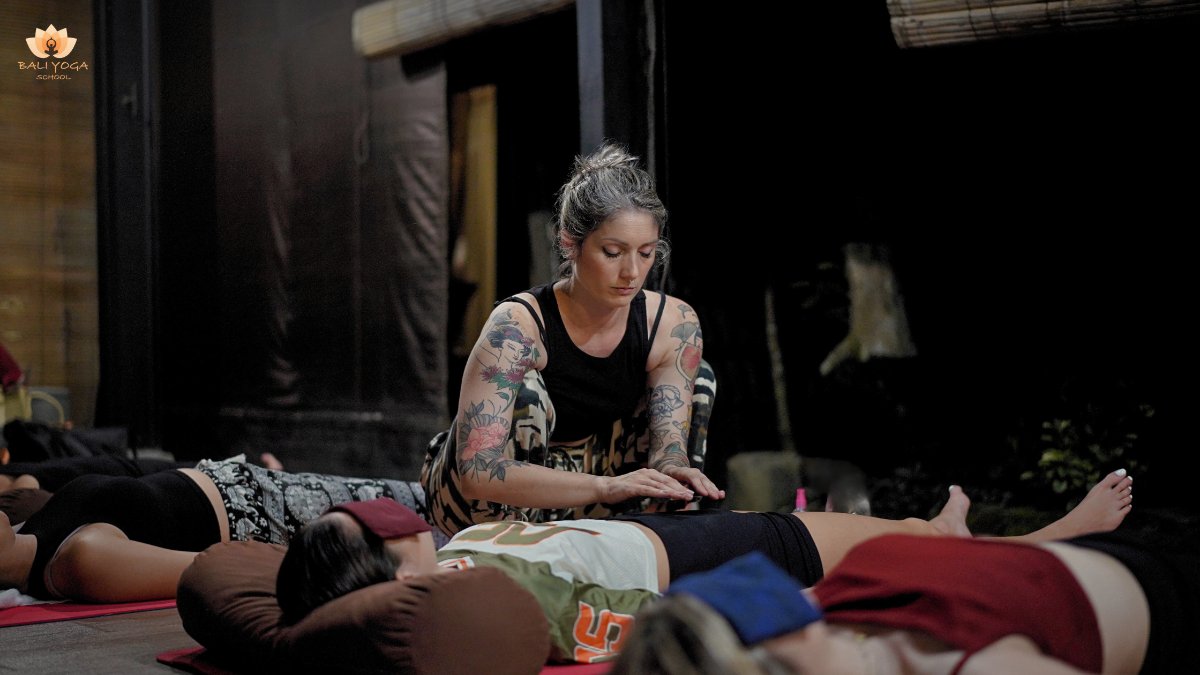
Sound healing training emphasizes practical instrument technique, traditional concepts, safe session preparation, and progressive facilitation skills.
Level 1: Bowls and Foundations
Sound Healing Level 1 introduces singing-bowl types, selecting and handling bowls, striking and rubbing techniques, and the basics of facilitating a session. It also includes traditional concepts and safety rules described in the published syllabus.
Level 2: Traditional Applications
Sound Healing Level 2 explores traditional chakra concepts, chakra-balancing practices, space cleansing and other wellness applications. Chakra terminology belongs to the traditional framework; it does not establish a method of medical diagnosis.
Level 3: Group Sound Baths
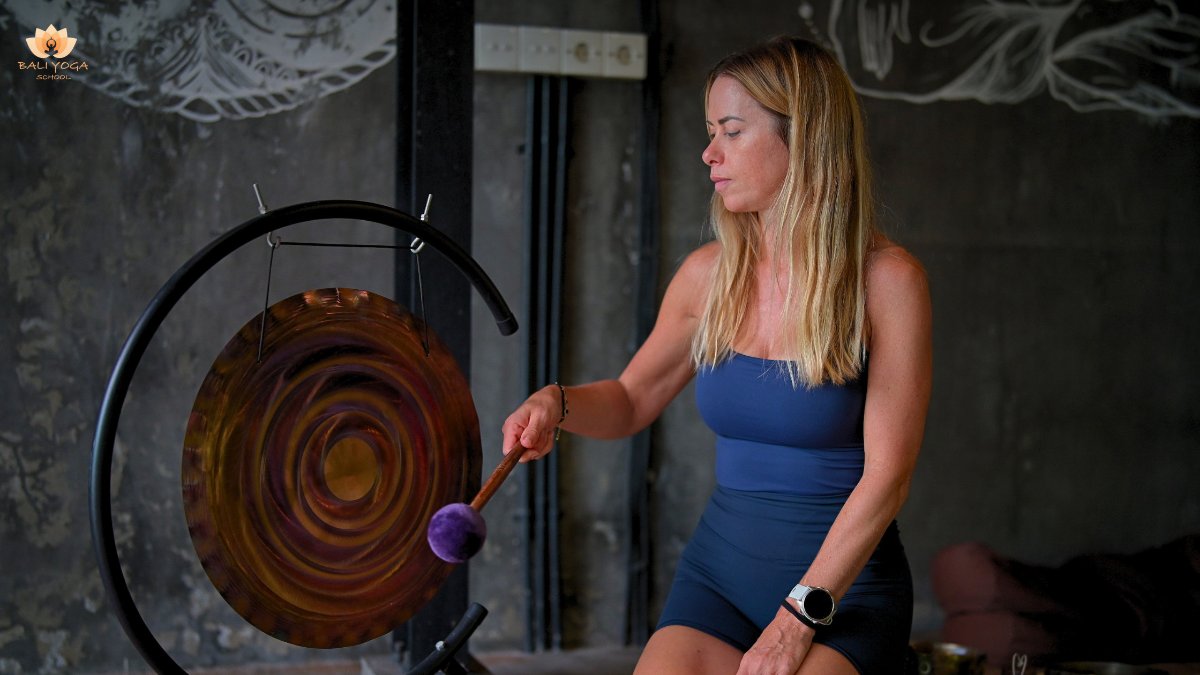
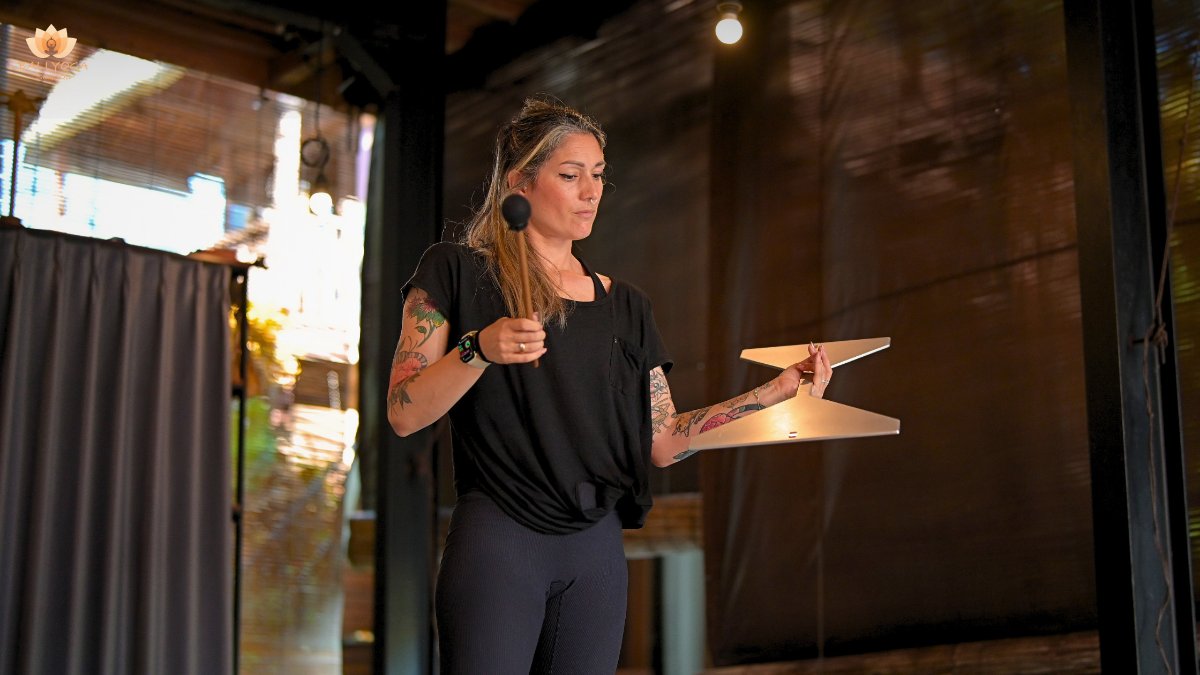
In Sound Healing Level 3, students work with additional instruments such as chimes, ocean drums, rain sticks, tingsha, and shamanic drums while learning about sound-bath facilitation.
Sound Healing Training Options
- Individual Levels 1, 2, and 3, with Level 4 and Level 5 offered separately for further study.
- Combined Sound Healing Levels 1 & 2: published duration of 4 days and 3 nights.
- Combined Sound Healing Levels 2 & 3: published duration of 4 days and 3 nights.
- Combined Sound Healing Levels 1, 2 & 3: published duration of 6 days and 5 nights.
- Depending on the package, courses may include yoga, meditation, vegetarian or vegan meals, accommodation options, or Balinese massage.
Some course pages retain older calendar-year headings. Confirm your intended dates, duration, teaching hours, campus and package inclusions with the school rather than assuming every listed option is available for your visit.
Who Should Study Reiki?
Reiki may suit meditation practitioners, yoga teachers, wellness professionals, and beginners who enjoy quiet, reflective, one-to-one activities. It usually requires little equipment. Students interested in self-practice, compassion, and the traditions of Japanese Reiki may find it especially rewarding.
Training does not provide a healthcare license or qualify someone to diagnose or treat medical conditions. If you are starting from the beginning, compare the introductory Reiki syllabus with your learning goals.
Who Should Study Sound Healing?
Sound healing is often a fit for musicians, yoga and Yin Yoga teachers, retreat facilitators, meditation guides, and those who enjoy working with instruments. It provides practical techniques for planning group sound baths.
Facilitators should consider safe volume, sound sensitivity, participant consent, and accessibility. The World Health Organization’s safe-listening guidance explains that hearing risk depends on sound level, exposure duration and frequency. A louder session is not necessarily a better session.
Start with foundational singing-bowl training if instrument handling is new to you, and discuss suitable progression with the school.
Can You Study Both?
Yes. Students may start with Reiki to develop contemplative self-practice and later learn sound healing for instrumental group sessions, or begin with sound because they already teach yoga or have musical experience.
The two practices can complement one another while remaining distinct traditions. Skill development, realistic expectations, and ethical boundaries matter in either field. Before combining courses, ask the booking team about timetable compatibility and the space available for practice between programs.
Why Study at Bali Yoga School?
Founded by Yogi Himanshu Joshi, Bali Yoga School combines yoga education, meditation, and complementary wellness traditions. You can read about the school and explore its teacher profiles when comparing your options.
Its courses emphasize guided practice alongside theoretical understanding. Depending on the program chosen, students can access accommodation and meal packages, take part in scheduled yoga or meditation activities, and meet a wider wellness community in Bali.
The yogic food menu gives an indication of the dining approach; confirm dietary requirements before booking.
Frequently Asked Questions
Which Is Easier for Beginners?
Both have entry-level courses. Reiki typically requires less equipment; sound healing asks students to learn instrument handling and session structure. The more useful question is which practice you will enjoy studying regularly.
Do I Need Prior Yoga Experience?
Introductory courses are presented as suitable for beginners; yoga experience is not generally essential. Confirm prerequisites for intermediate, advanced or combined programs. The school’s frequently asked questions can help with broader practical arrangements.
Can I Work Professionally Afterward?
A course can provide practical education and a completion certificate. Professional practice also requires continued experience, ethical standards, appropriate insurance where relevant, and compliance with local rules. Avoid promising medical results or describing a wellness certificate as a clinical qualification.
Which Is Better for Yoga Teachers?
Sound healing is particularly relevant to group relaxation or Yin Yoga classes. Reiki may appeal to those interested in gentle individual wellness sessions. Choose according to your teaching setting, interests and willingness to continue practising.
Do Courses Include Certificates?
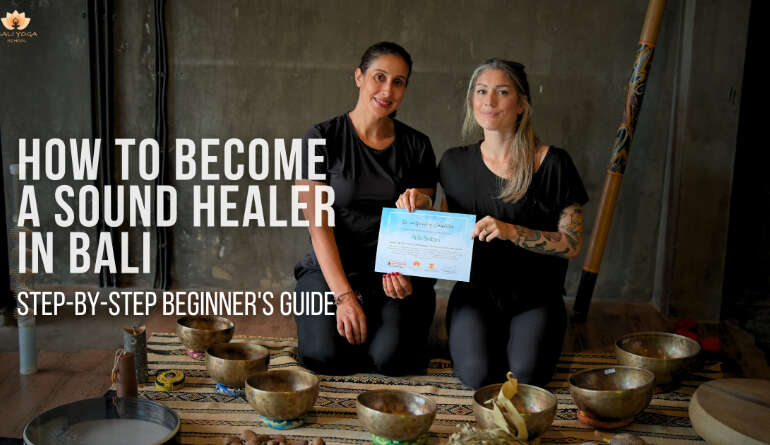
Bali Yoga School lists completion certificates for successfully completed programs; these are not government medical licenses. Confirm the exact certificate, attendance requirements and assessment arrangements for your chosen course.
Final Thoughts
Choose Reiki if you enjoy focused meditation, gentle hand-based traditions, and personal spiritual exploration. Choose sound healing if you prefer musical instruments, immersive listening, and leading group sound baths.
Neither is universally better: the right course depends on what you want to learn and how you plan to use it.
Compare the Reiki training pathway, explore the Level 1 & 2 Sound Healing Course, or browse the healing course overview before choosing your next step.