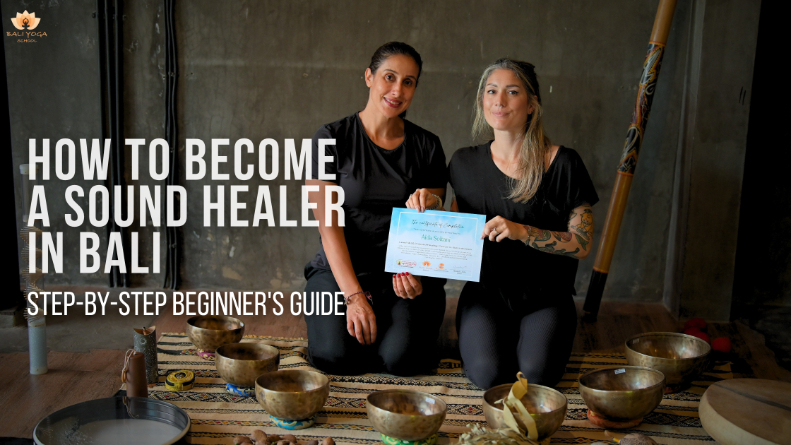
How to Become a Sound Healer: Training & Certification Guide
Becoming a sound healer involves more than learning how to strike a singing bowl. A structured training path can include instrument handling, sound and vibration principles, safety, supervised practice, session planning and experience working with different sound-healing formats.
If you’re considering sound healing professionally or want to integrate it into an existing yoga or wellness practice, this guide explains the path from beginner training to certification and continued practice. It also covers what to look for when choosing a sound healing course and what you can realistically expect after completing your initial training.
Understand What a Sound Healer Actually Does
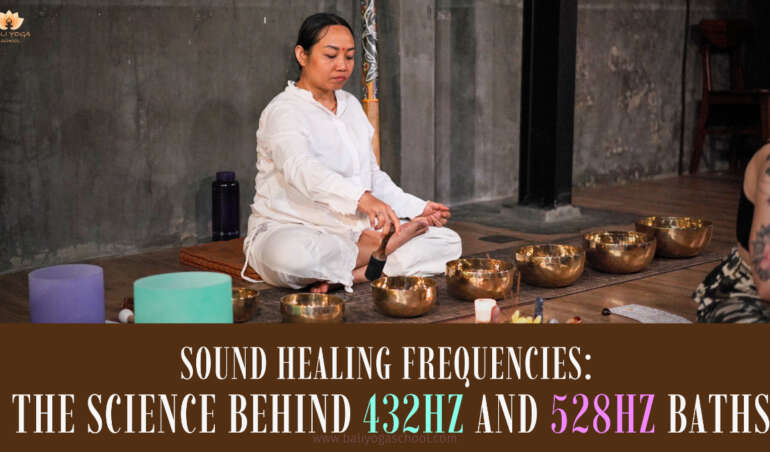
Before jumping into training, it helps to understand the profession itself. A sound healing practitioner uses instruments such as singing bowls, gongs, chimes and drums to create structured sound experiences commonly used for relaxation, meditation and contemplative wellness practices. Depending on their training and approach, practitioners may work individually with clients or facilitate group sound baths.
Sound healing is not the playing of any music at random. It’s a method that’s based on the premise that each part of the body vibrates at a specific frequency. These frequencies can be disturbed due to stress, illness or emotional blockages. Skilled sound healer utilises tools to help the body rebalance.
Common Instruments Used in Sound Healing
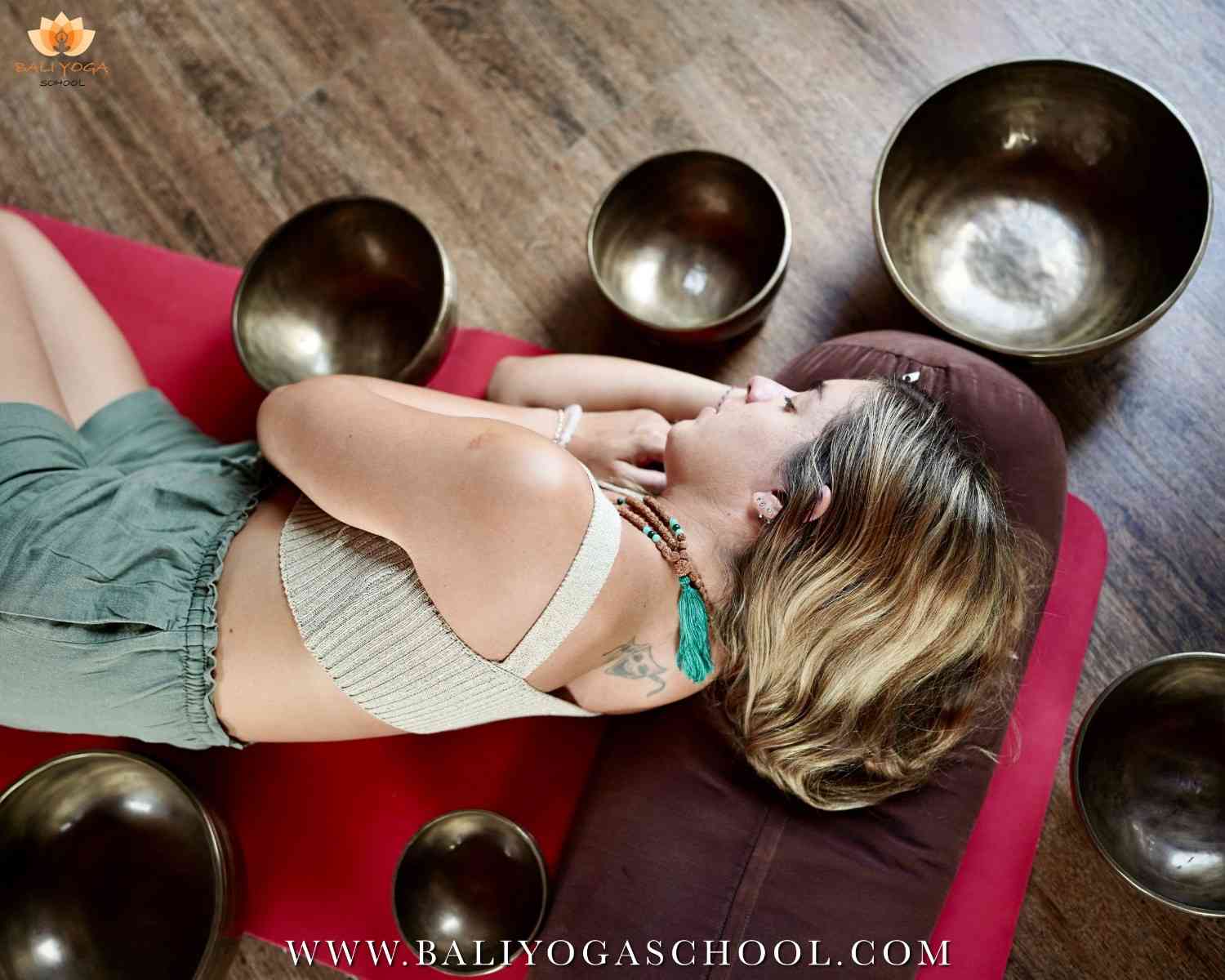
All sound healers develop a relationship with a group of instruments over time. Some of the most frequently used ones are:
- Tibetan singing bowls – Metal bowls played with a mallet for deep and resonant sounds.
- Crystal singing bowls – These are made from quartz crystal which has clear and strong vibrations.
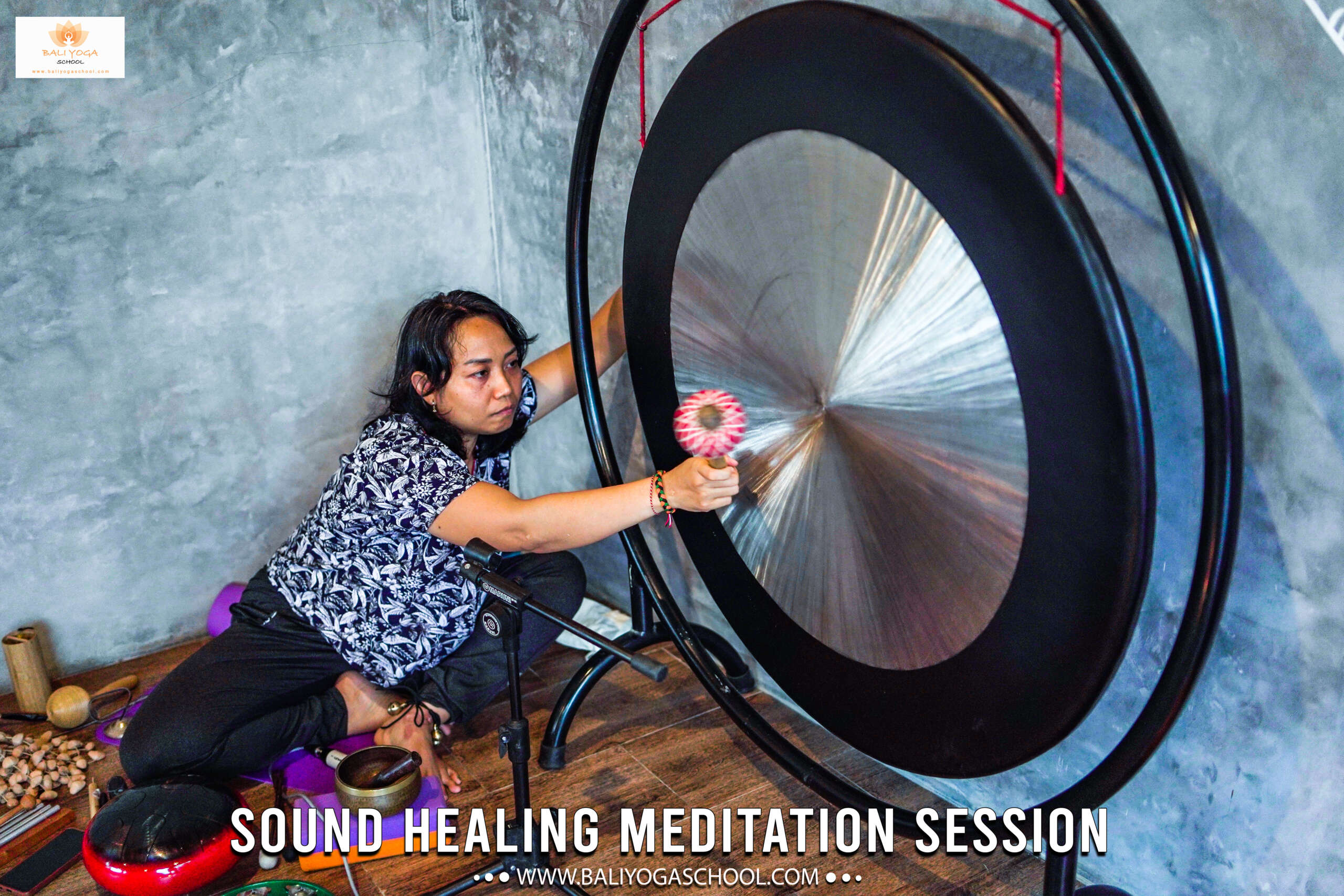
- Gongs – Big metal plates that create rich, enveloping sounds.
- Chimes – Clearing energy and transitions in session
- Drums – Shamanic and ocean, for grounding and rhythm
Every instrument has its own vibration. Proficient practitioners know how to integrate these tools into sessions that are not random but purposeful.
How a Typical Sound Healing Session Works
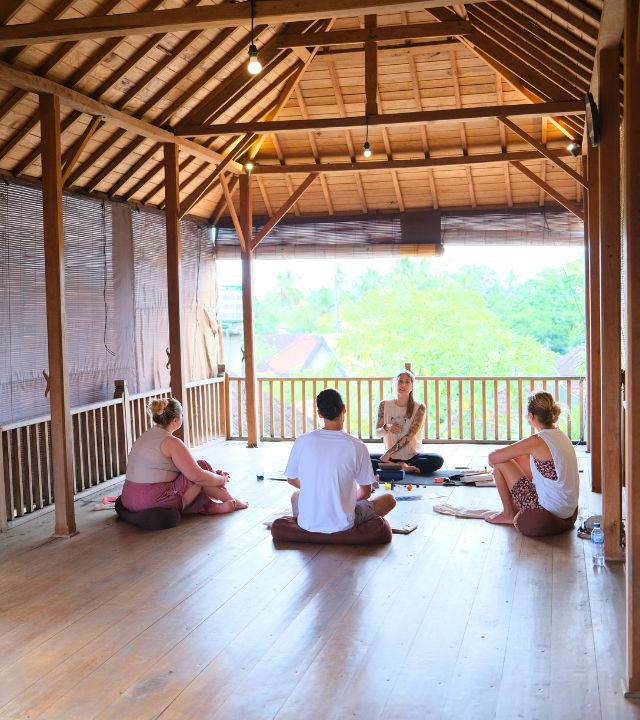
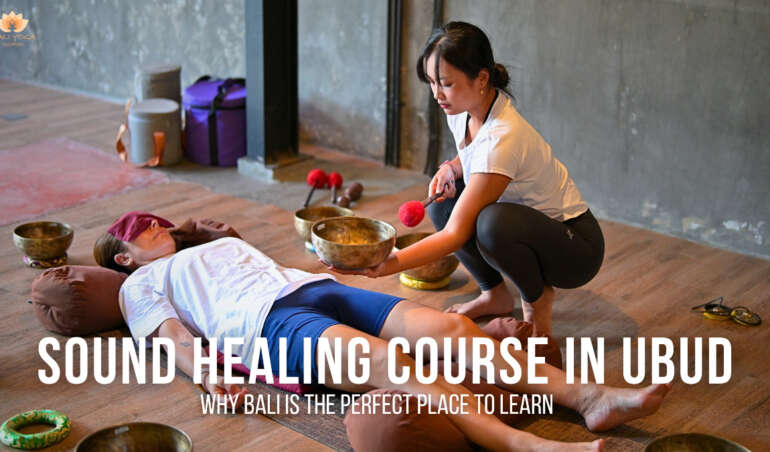
During a receptive sound session, participants generally rest in a comfortable seated or lying position while the practitioner introduces instruments progressively. Depending on the format, the session may include singing bowls, gongs, chimes, drums, periods of silence or guided relaxation.
They are one-on-one or group sessions with often some moments of silence at the end. This enables the nervous system to get the full experience. After having the simple structure in your mind, you’ll be in a much better position to imagine yourself learning and eventually leading these sessions.
Choose the Right Sound Healing Training in Bali
After you have a clear idea of what it is, it is time to find the right sound healing course in Bali. Not every training is suitable and it’s advantageous to know what to anticipate before you spend your time and cash.
1. Look for a Structured Level 1, 2, and 3 Curriculum
Some sound healing schools organize training into progressive levels. At Bali Yoga School, students can progress through multiple levels, beginning with foundational singing-bowl techniques and moving toward more advanced applications and instruments.
At Bali Yoga School in Ubud, our combined Level 1/2/3 program is currently structured as a 6-day, 5-night training. The published schedule includes dedicated Sound Healing Theory & Practical classes, allowing students to study techniques and practice them during the same training period. View the full Sound Healing Course in Bali curriculum
2. Check the Experience of the Teachers
The syllabus is as important as your teachers. Your teacher should be a practitioner, as well as a theoretician, that is, have years of practical experience. Veteran teachers can help you with your issues and can offer you useful advice and guide you away from the pitfalls of novice teachers.
3. Prioritise Hands-On Practice Over Theory Alone
Sound healing is a physical, sensory ability. It is not just something that can be learned from a book. A good course will allow you time to practice with instruments (not just watch it), and it will provide you with lots of feedback and support. The small class sizes are important in the curriculum as well because they offer more individual attention to the instructors.
4. Understand What the Certificate Actually Represents
Before enrolling, check what is required to receive the certificate, who issues it, what training level it documents and whether the school clearly explains any external affiliations or registrations.
Learn the Essential Sound Healing Techniques and Instruments
The real learning begins when you start training! It takes more than a few demonstrations to become adept at sound healing. It takes practice and true appreciation of the relationship between sound and the body.
Playing Singing Bowls the Right Way
You will learn how to hold the bowls, strike and rub them to create clear and sustained tones, as well as play the bowls correctly as part of the first skill. This can be an easy thing to do but practice is needed to master the pressure, angle and rhythm. This is something that many beginners will want to bypass, but take the time to do it.
Understanding Vibration and Resonance
You will then discover how vibration moves through the body and the importance of resonance. This understanding allows you to know how some sounds evoke certain sensations or emotions. It will also help you adapt the technique in real time, depending on the client’s needs.
Working with Chakras
Some sound healing systems incorporate chakra-based frameworks. In these approaches, students learn how particular sounds and singing-bowl practices are traditionally associated with the seven main chakras and how these concepts are incorporated into a session.
Creating Sound Journeys and Conducting Sound Baths
Once you have become more proficient as a player you will begin to learn how to make long sound journeys. This involves arranging the sounds in order that they rise, reach a climax and then slowly fade away, like a piece of music. A full sound bath allows you to now integrate all of the information learnt into one complete and guided experience.
Combining Instruments Effectively
Last, you will use more than one instrument simultaneously. It may be as simple as having a gong with singing bowls, or adding chimes in between stages of a session. The art of intelligent instrument mixing is what the newbie needs to master.
How Long Does It Take to Become a Sound Healer?
There is no universal training duration for becoming a sound healing practitioner. Programs vary considerably in scope and depth. A short introductory course may teach foundational techniques, while developing confidence in facilitating individual or group sessions requires continued practice beyond the initial certificate.
Complete Your Certification and Build Real Practice Experience
Obtaining certification is a significant accomplishment, but it’s just the first. True confidence as a sound healer comes from actual practice, rather than taking a course. One of the most frequent questions by those new to the profession is, “How’s someone to become a sound healer?” The truth is, it depends on your objectives.
The intensive, hands-on training takes from a few days to a few weeks depending on the format of each school and can be structured as a Level 1, 2, and 3 program. But, after certification, it can take months to become truly confident. Don’t view your certificate as the end of the road, see it as a strong foundation. Usually those who felt most comfortable while taking the course are the ones to continue taking courses on a regular basis after the course.
After you get certified, the next best thing you can do is to practice in real environments. Begin with volunteers, family and friends who are interested. Here, you’re in a low stress environment that lets you experiment with different things and form your ‘Muscle Memory’ without the pressure of the paying client watching you. If you’re ok with having one-on-one sessions, maybe get yourself a small group sound bath.
It’s a little bit different in group settings, as there are more people involved and you’re creating a situation for others. Combined with guided meditation, many practitioners find that the combination is even more beneficial, and can help to create more of a relaxation experience, and provide an additional skill for clients in the future. Also, if your school offers post certification mentorship try to do so. A fast way of refining your technique is to receive advice from professionals who can help you iron out the little habits before they become a habit.
Build Experience After Your Sound Healing Training
After training, the next step is to think about what you want to do with the new skills that you have acquired. The beauty of a sound healing career or practice is that it can be used in so many ways to fit your lifestyle. Often, practitioners start with 1 on 1 sessions in their own studio or visit clients for their loyal clients and unique style. There are others who offer public or community sound baths, as these are becoming more popular in the wellness community and can help to generate visibility over time.
You may even have a career at yoga studios or wellness retreats, or enjoy combining sound healing and yoga or meditation teaching. Many practitioners then eventually go on to set up their own wellness practice or brand.
So wherever you are, keep in mind that all experienced Sound Healers began where you are. Bali has a number of teachers who are experts, a peaceful environment, and practical training that equips you to work in the real world. If you’re willing to take the first step, our Sound Healing Course in Bali provides full Level 1–3 sound healing training in Bali for both beginners and advanced practitioners.
Frequently Asked Questions
Who issues the certificate?
The certificate is issued by Bali Yoga School after successful course completion. The page also states that participants can register the certificate with the Yoga Alliance.
What course/level appears on it?
The page shows separate Sound Healing Levels 1, 2, 3, 4 and 5, plus combined Level 1/2, Level 2/3 and Level 1/2/3 programs. The certificate should clearly identify the specific level or combined course completed.
How many training hours were completed?
The current combined Level 1/2/3 schedule shows 2 hours of Sound Healing Theory & Practical training on Days 2–5, plus 2 hours on Day 6, which equals 10 scheduled sound-healing class hours. If you count additional practice outside these published sessions, state that separately and document it clearly.
Is attendance required?
Yes. The school’s published rules state that class attendance is mandatory except in cases of illness, and students must inform management before missing a class.
Is there supervised practice?
Yes, practical training is clearly included. The published schedule labels the sessions as “Sound Healing Theory & Practical Class,” and the syllabus includes hands-on instrument techniques such as selecting, holding, rubbing and striking singing bowls.
Is there a practical assessment?
The current page does not explicitly state that there is a formal practical assessment. For E-E-A-T, do not claim one unless you actually conduct it. If you do, add the assessment criteria to the page.
Is an examination required?
The current page does not mention a written, oral or final examination. If an exam is part of the real course, add this clearly. Otherwise, don’t state that certification requires an examination.
What does “accredited” or “recognized” specifically mean?
The page states that Bali Yoga School is accredited by Yoga Alliance and recognized by IYS®, and that students can register their Bali Yoga School certificate with IYO. Keep this wording specific rather than saying simply “internationally recognized.”
Can the claim be verified with the named organization?
Yes. Your page provides direct links to the school’s Yoga Alliance registration and IYS certification, which is exactly the kind of external verification that strengthens Trust and E-E-A-T.
Reference
- Research has explored the effects of singing-bowl meditation on relaxation, mood and stress-related outcomes. Some studies have reported improvements in self-reported tension and anxiety, although the overall evidence remains limited and results vary across outcomes and study designs. Pubmed Central
- Goldsby TL, Goldsby ME, McWalters M, Mills PJ. Effects of Singing Bowl Sound Meditation on Mood, Tension, and Well-being: An Observational Study.
- Therapeutic Effects of Singing Bowls: A Systematic Review of Clinical Studies. Integrative Medicine Research, 2025.