Is Four Days Enough for a Yoga and Meditation Retreat in Bali?
Is a four-day yoga retreat in Bali enough? Find out what to expect in Ubud, what to check before booking and how to keep practising at home.

In this article
Is Four Days Enough for a Yoga and Meditation Retreat in Bali?
You have a few days free in Bali. You like the idea of practising yoga, trying meditation and having somewhere comfortable to return to between sessions. But a week-long retreat would take up most of your holiday.
Is a shorter stay worth considering?
Four days can be enough to try a guided routine, ask questions and discover which practices you would like to continue. You do not need to leave with a completely different life. Finding one useful practice that fits into the life you already have is a reasonable place to start.
Bali Yoga School’s four-day yoga, meditation and sound healing retreat in Ubud offers a setting for that kind of introduction. Before deciding, it helps to think about how you want to spend the time.
Count the Nights Before You Count the Sessions
A four-day retreat does not necessarily mean four full days of activities.
The published Ubud program includes three nights, with check-in at 12:00 PM on Day 1 and checkout at 12:00 PM on Day 4. That gives you roughly 72 hours on campus, including two full middle days. Sound Healing
That distinction matters when booking flights.
If you arrive tired after an overnight journey, you may spend part of the first afternoon settling in. If you arrange an early departure on the last morning, you could miss the closing practice.
Look at the retreat dates alongside your actual travel plans. Ask the team when you should arrive to participate comfortably and how much time to allow for your onward journey.
An extra night before the retreat may suit someone arriving from far away. Confirm availability and the additional cost before making that plan.
 Decide What You Would Like to Take Home
“I need a break” is a perfectly good reason to look at a retreat. It can also help to make that wish a little more specific.
Perhaps you want to:
- Attend yoga without rushing from work.
- Try meditation with someone available to answer questions.
- Find a comfortable way to sit and practise.
- Spend a few mornings following a simple routine.
- Learn one practice you can repeat at home.
Choose one or two priorities. You can keep the rest open.
If your main interest is meditation, look for repeated opportunities to practise rather than judging the retreat by how many different activities appear on the page. Having another chance to try something can be more useful than constantly moving on to something new.
You Can Arrive Without Knowing How to Meditate
One common worry is that everyone else will already know how to sit quietly.
You may find yourself thinking about lunch, remembering an unfinished email or wondering how much time has passed. Those experiences give you something to ask the teacher about.
Bali Yoga School’s four-day retreat welcomes people without previous meditation experience and includes guided practice. Sound Healing
Before a session, mention anything that could affect your comfort. Ask about sitting options, using support or changing position. You do not have to hide discomfort to appear more experienced.
It also helps to have a clear idea of what meditation involves. The U.S. National Center for Complementary and Integrative Health describes several approaches, including attention to breathing, sound or another focus. Meditation does not have one single method or one experience that everyone must produce. NCCIH
A useful question after class is: “What should I do when I notice my attention has wandered?”
That answer may be more valuable than trying to decide whether you were “good” at meditating.
 Give Yourself Time After the Sound Session
If sound healing is new to you, curiosity is enough. There is no particular sensation you need to achieve.
The four-day program lists an introduction to conscious listening, a dedicated sound experience and evening sound relaxation. These are presented as wellness and relaxation activities. Sound Healing
Ask the facilitator what to expect and explain any concerns about sound levels or your comfort. Afterwards, leave yourself a little time before reaching for your phone or heading out.
You might want to write something down. You might prefer a quiet drink or a conversation. There is no need to turn every session into a dramatic personal story.
The experience can simply give you another way to notice how you respond to stillness and listening.
Leave Some of the Free Time Free
A gap in a retreat timetable can look like an invitation to add another outing.
It is tempting in Ubud. There are cafés to try, shops to browse and places you have saved on your map. On a short stay, though, those plans can quickly fill the hours you originally wanted for rest.
Choose an outing because you want to do it, rather than because an afternoon feels unfinished without one.
You could leave one break completely unplanned. Read, swim, have a conversation or return to your room. See what you feel like doing when nothing else is scheduled.
If you are comparing a retreat with a more intensive study program, our retreat versus yoga teacher training guide can help you think through the different commitments.
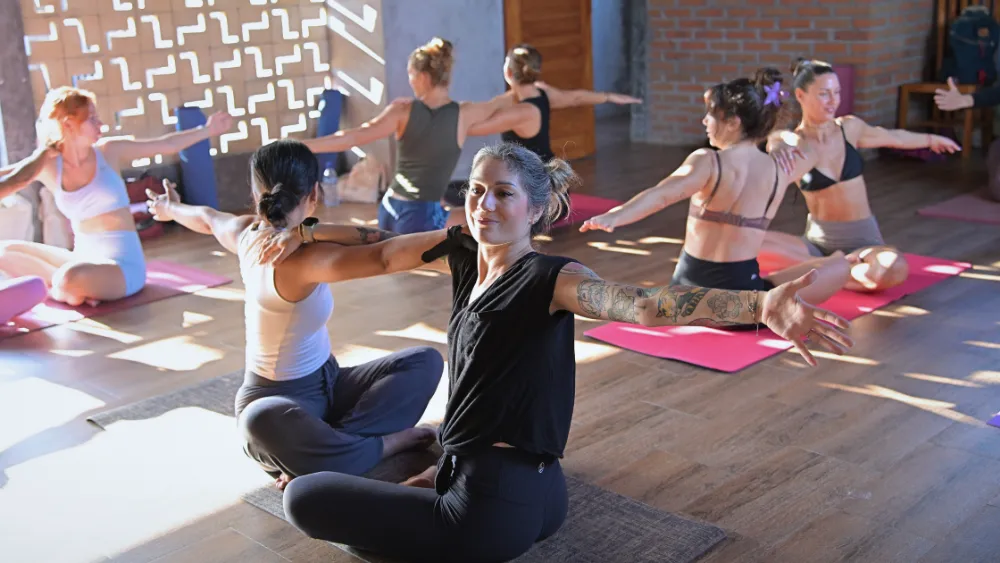
Choose a Room You Will Be Happy to Return To
Accommodation deserves more attention than it sometimes gets.
Think about how you usually rest. Do you enjoy sharing a space and talking through the day, or do you need some time alone? Would having your own room help you sleep more comfortably?
The retreat page lists twin-shared and private options, including private rooms at Campus I and Campus II. Confirm your actual room and campus before paying. Sound Healing
The Ubud campus photographs can help you picture the setting. Follow up with questions about anything the photographs cannot tell you: room allocation, access, sharing arrangements or an individual requirement.
There is no universally better room choice. The useful choice is the one that suits your budget and gives you enough personal space.
Check the Extras Before You Build Your Budget
Do not assume that every Bali Yoga School retreat has the same inclusions.
On the four-day retreat page, Balinese massage, Ayurvedic massage and Reiki are listed as optional paid additions, subject to availability. Sound Healing
If one of those experiences matters to you, ask about the price and available appointments before arrival. You can then decide how it fits around the retreat.
It is also reasonable to ask for a written booking summary covering:
- Your room and campus.
- Meals during your actual stay.
- Any dietary requirements.
- Transport arrangements and charges.
- Optional sessions you have requested.
- Cancellation and rescheduling terms.
For a food allergy, describe the ingredient and ask what the kitchen can accommodate, including preparation and shared equipment. Clear information before arrival makes the conversation easier for everyone.
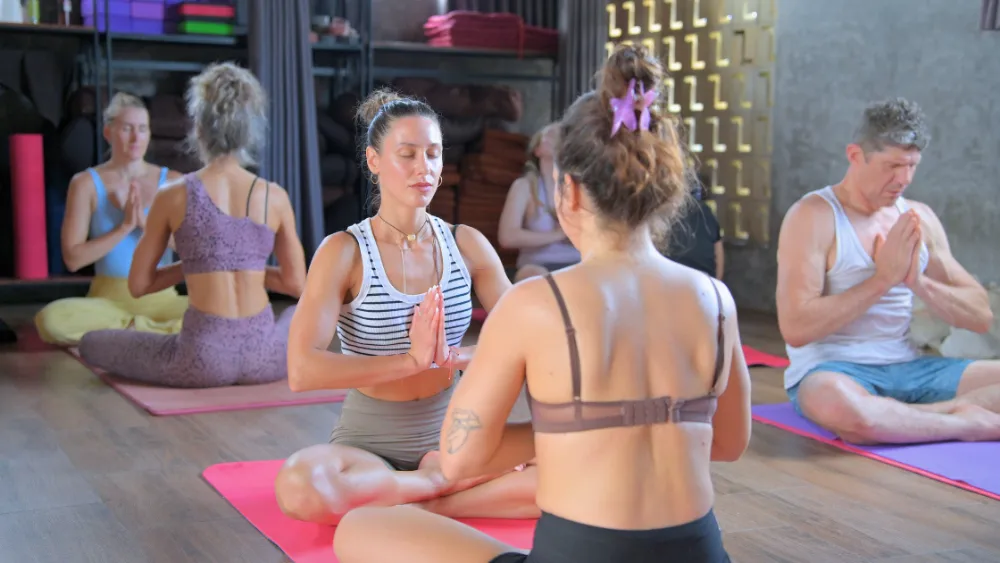 Know Who Runs the School, Then Ask About Your Stay
Bali Yoga School was founded by Himanshu Joshi, whose background also includes establishing Himalayan Yoga Association in Rishikesh, India. You can read more in the school’s founder profile. Yoga School in Bali
That background provides context. Your booking questions should still concern the people and arrangements for your dates.
Who will guide the sessions? Whom can you approach if something is uncomfortable? Where exactly will you stay?
You do not need to feel awkward asking. These are ordinary questions when choosing a residential program.
Plan the First Week After You Get Home
A retreat gives you a place and time to practise. At home, you have to find that space within your normal day.
Before leaving, ask the teacher which simple practice would be suitable for you to continue. Write down enough detail to remember it accurately.
Then choose a realistic moment for it. Perhaps a short practice after breakfast would work. Perhaps a few quiet minutes before checking messages would be easier.
Treat that first week as an experiment. Notice what fits, what you forget and what you would like help with. A missed day does not require abandoning the idea.
There is no need to recreate the entire retreat timetable in your living room.
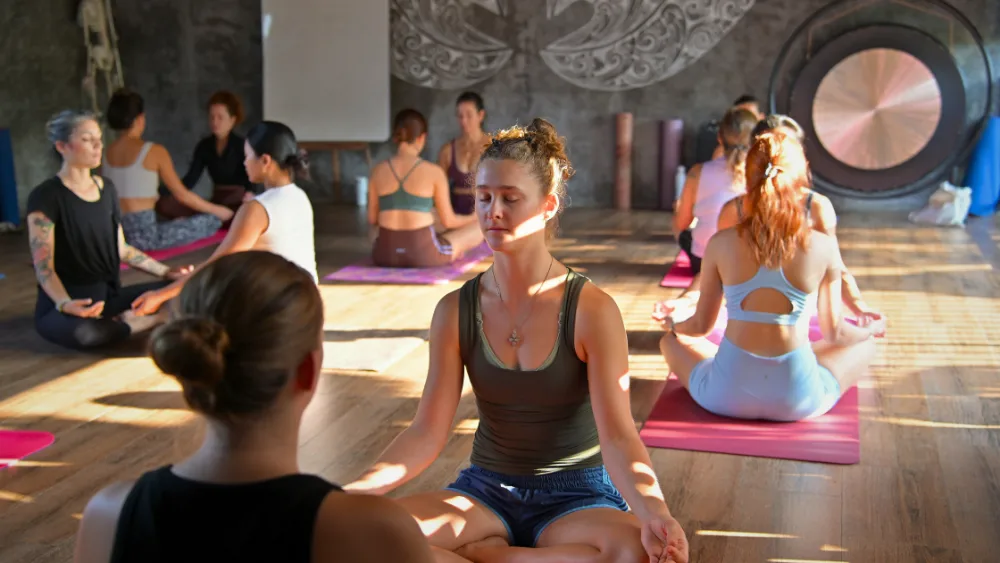
When Might a Different Length Suit You?
Four days makes sense when you want a short introduction and can give those days your attention.
A shorter visit may fit a crowded itinerary better. A longer stay may appeal if you want more time with a routine or prefer a different mix of activities. You can compare the three-day Ubud retreat and the six-day restorative retreat according to what interests you.
Duration alone does not decide the value of a retreat. How you arrive, what you hope to learn and how much room you leave yourself all matter.
If four days feels manageable, read the current Ubud yoga, meditation and sound healing retreat details. Look through the schedule, check the arrangements for your dates and bring along the questions you still have.