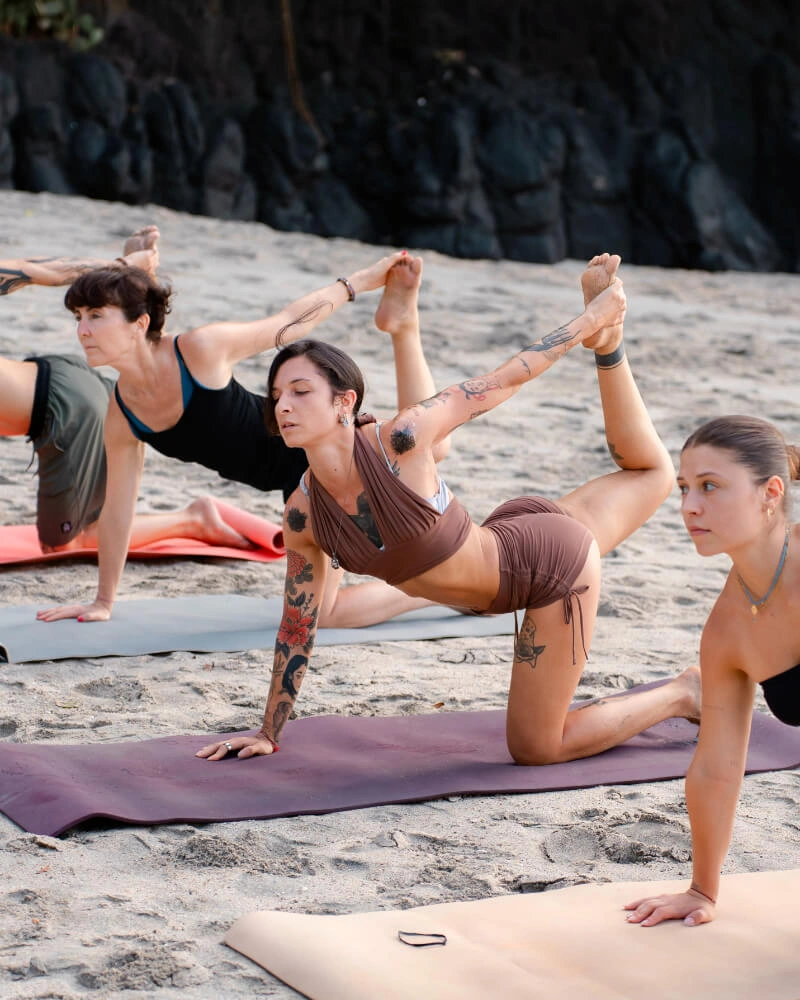

Get an advanced knowledge and deepen your yoga practice with the leading yoga school from the world capital of yoga, Rishikesh in India. We have been receiving so many advanced yoga practitioners and yoga teachers from all over the world at our school – Himalayan Yoga Association in Rishikesh and Bali Yoga School in Ubud, Bali.
Even if you think you know a lot about yoga, our 300 hours yoga teacher training course will give you more depth and rise in your knowledge and practice of yoga. This advanced course is for those who have already completed their 200 hours hours yoga teacher training course with us or elsewhere, and want to level up themselves as a yoga pracrtitionair or yoga teacher. If you are already a 200 hours Yoga Alliance registered yoga teacher (RYT 200), you will get a credibility to register yourself as a 500 hours Yoga Alliance registered yoga teacher (RYT 500) after the completion of this course along with some teaching experiences.
In this course, you will also be learning Ayurveda from which you get to know how to live healthily according to your specific physical type. Yoga is an art with the science, and can be practiced regardless of your beliefs, religions, ages, or any other materialistic backgrounds. Elevate yourself to know the life, know the true Self to truly see and experience the beauty of the world,
300 Hour Yoga Teacher Training School Japan - Course Syllabus

Mastering Hatha / Vinyasa Flow
Introduction of Hatha & Vinyasa flow
Pawanmuktasana series A
Surya namaskar (Hatha)
Chandra namaskar (Hatha)
Trikonasana
Parsvokonasana
Privarta Trikonasana
Privarta Parsvokanasana
Virbhadrasana A,B,C
Ardha chandrasana
Chaturangadandasana
Mathchendrasana A,B,C
Adra Ustrasana
Salabhasana
Setabandasana
Gatyatmak Paschimottasana
Pada prasar Paschimottasana
Saithalyasana
Sarvangasana
Core exercises
Surya namaskar A,B (ashtanga)
Chandra namaskar (Hatha)
Standing
Veerbhadrasana A,B,C
Trikonasana
Parsvottanasana
Parsvokonasana
Privirta Trikonasana
Privirta Parsvokonasana
Ardha chandrasana
Utthita hasta padangusthasana
Natrajasana
Vriksasana
Garudasana
Eka pada uttanasana
Natavarasana
Tandavasana
Eka padasana
Vatayanasana
Pada angushtasana
Baka dhyanasana
Eka pada baka dhyanasana
Eka hasta bhujasana
Santolanasana
Vashisthasana
Poorna matsyendrasana
Marichyasana C, D
Eka pada rajakaputasana
Raja kaputasana
Poorna ustrasana
Dhanurasana
Poorna shalabhbasana
Poorna chakrasana
Parighasana
Koormasana
Upavistakonasana
Ubhaya padangustasana
Urdvamukha paschimottasana
Hanumanasana
Bhoonamansana
Laguvajarasana
Badhakonasana
Vishwamitrasana
Kashyapasana
Inverted asanas-
Bhumi padamastakasana
Vipreetakarani Asana
Sarvangasana
Padma Sarvangasana
Halasana
Ardha padma halasana
Sirshasana
Salamba sirshasana
Niralambasana
Urdhwa padmasana
Leg stretching
Teaching
Doubts
Questions / Answer

Mastering Ashtanga Primary Series & intermediate series postures
The Complete traditional way of practice & teaching.
Drishti
Bandhas
Breath
Ashtanga is taught with vinyasa
On 1 st week – Introduction to Traditional Ashtanga yoga and Vinyasa & sun salutation A & B.
On 2 nd week – Seated sequence postures & Finishing Sequence postures.
On 3 rd week – Intermediate series postures/ Mysore Style /Teaching methods.
On 4 th week – Teaching by students / Questions & Answers / Feedback by teacher on improvements.

Dhayan (Meditation)
Introduction of meditation
what is Concentration.
Difference between concentration and meditation.
Fundamental importance of meditation.
Types of meditation.
Definition and technique of Anapana.(Stage 1,2,3,4)
Mind Awareness Meditation.
Definition and technique Pranav meditation
Akara chanting
Ukara chanting
Makara chanting
Om chanting
Mantra introduction
Om Namah Shivaya ( Meaning & chanting)
Gayatri Mantra ( Meaning & chanting)
Om Mani Padme Hum chanting
Lokah Samastah Sukinoh Bhavantu chanting
Art of self silence Practice.
Mindfulness walking introduction
Fundamental importance of yoga nidra.


Yoga therapy- 1st, 2nd, 3rd weeks
Concept and fundamentals of Ayurveda
Meaning, definition and principles of Ayurveda.
Tridosha meaning and functions.
Agni types and functions.
Ama meaning and types.
Trimalas types and relation with tridosha.
Triguna importance and attributes.
Fundamental Relation of triguna with Tridosha.
Saptprakarti attributes, qualities.
General functions of saptprakarti and their characteristics.
Mithahara definition and meaning
Fundamentals and importance of satavic diet.
Categories of food and its explanation.
Diet according to position of sun.
Saptprakarti and Tridosha diet.
Therapy and dietary needs for arthritis.
Therapeutic use of Asanas for Disc herniation.
Therapeutic use of Asanas for back problems.
Osteoporosis treatment and therapy.
Asthma’s problematic area and cure.
Sinusitis therapeutic cure.
Irritable bowel syndrome therapy.
Therapy for constipation problems.
Therapeutic use of meditation for Depression.
Therapeutic use of pranayama for Anxiety Disorders
Therapeutic use of shatkarmas for Migraine.
Therapeutic use of pranayama for Amnesia disorder.
4th week
Submission of assignments
Revision
Practical exam :presentation on one topic


Pranayama (Breathing Practices)
Introduction of Pranayama
Definition and importance of Pranayama
Natural Breathing
Abdominal breathing
Thoracic breathing
Diaphragmatic breathing
Yogic breathing
Nadi shodhana
Ujjayi pranayama
Bhastika Pranayama
Kapalbhati Pranayama
Surya Bheda Pranayama
Chandra bhedana pranayama
Sheetali Pranayama
Sheetkari pranayama
Bhramari pranayam
Yoga Philosophy
- What is Yoga, Meaning, and Goal?
- History of Yoga
- Classification of Indian Philosophy
- Patanjali Yoga Sutras
- An Overview on Patanjali Yoga Sutras’ All Chapters
- Sutras from Patanjali Yoga Sutras
Important Sutras
- Chapter 1 (Yoga Samadhi)
- Chapter 2 (Yoga Sadhana)
- Chapter 3 (Yoga Vibhuti)

Yoga Anatomy & Physiology
1st Week
Brief introduction of skeleton system & function
Anatomy of shoulder & function with the important name of muscles
Anatomy of pelvic griddle with muscles names
Spine anatomy & function/ importance in yoga practice
Kundalini shakti introduction & function
Chakra introduction & function with the endocrine system
Nadis- the energy channel function & importance
Prana introduction & importance in organ function
Panchakosha importance in function of the body
2nd week
Chakra introduction & function with endocrine system
Nadis- the energy channel function & importance
prana introduction & importance in organ function
Panchakosha importance in function of body
3rd week
Respiratory system introduction/ function and problems
Circulatory system importance/ function & problems
Digestive system importance/ function & problems
Submission of assignment & revision
4th week
Practical exam : Presentation given to teacher
Written exam: Submission of assignment to teacher

Shatkarma (Yoga Cleansing)
Introduction to shatkarma
Jalaneti Satkarma (Nasal cleansing with salty water)
Rubber neti (Nasal cleansing with a rubber string)
Bandhas (Energy Locks)
Introduction to bandha
Jalandhara bandha
Moola bandha
Uddiyana bandha
Maha bandha
Mudra (Yoga Gestures)
Introduction of Mudras
Fundamental importance of Mudras
Jnana mudra
Vayu mudra
Bhairava mudra
Pranav mudra
Sankhmukhi mudra

Teaching Practice
Demonstration & Teaching methodology
Alignment
Instructions
Evaluation are based on
Written Test
Asana Practical Test
Attendance
Performance
Behaviour
Yoga Course Books for 300 Hour Yoga Teacher Training in Japan
Are you ready to do what it takes to become an ideal yoga teacher?
“What books should I go through before , during and after yoga teacher training?” This is a common question that arises in the mind of every yogi, which raises his curiosity on the subject. As a student of yoga teacher training, you will feel a sense of achievement on your graduation day, yet the desire to explore more and continue the learning path may linger on in your mind. Learning is infinite.
Even as a teacher, you will still continue learning. Your yoga teacher training course itself may demand the reading of many books to foster your learning experience. Reading books on yoga should ideally be a habit inculcated by a yogi prior to the commencement of the yoga teacher training course, during the course and should carry on even after the course completion. Thus it should be a lifelong practice.
In addition to the ancient texts, you will find innumerable contemporary ones as well to further your development spiritually and encourage your growth as a knowledgeable yoga teacher.
Here is a list of inspirational books that will encourage and support your practice and teaching of yoga:
Autobiography of a Yogi by Paramahansa Yogananda
This is an interesting classic autobiography on Paramahansa Yogananda. It narrates his life story right from his childhood days in India to his journey on the quest for a guru and his experiences as a spiritual speaker and teacher later in America. The book also educates the reader on the history of yoga and its inception in the American continent.
A spiritual classic, Dass tells us his story of spiritual awakening witnessed by him, and the enlightenment journey. You will also get an insight into the practical exercises like visualisation meditation and breathing practices which you can inculcate in your daily regimen as well as teachings.
“Many Lives, Many Masters: The True Story of a Prominent Psychiatrist, His Young Patient, and the Past-Life Therapy That Changed Both Their Lives” – by Dr. Brian Weiss
Do you fear death? Get rid of this conventional thinking and look at death from a different perspective , with Dr.Brian Weiss’ s work on ‘Many Lives, Many Masters.’ Several yoga scriptures talk about the subject of reincarnation , this book serves as a bridge linking East and West, via its presentation of reincarnation in an appealing manner.
Light on Yoga by B.K.S. Iyengar
Bible to the yoga teacher, this book gives readers an insight into the 8-limbed path including a number of postures . It portrays the poses being performed by the young Mr.Iyengar – one of the founders of modern yoga in the western world. Opt for this book and possess it for life! It serves as a handy reference too ,many a time, as you continue exploring your yogic journey throughout.
Yoga is a practice that is lifelong. The routine practice of ‘Svadhyaya’ fosters the habit in yogis to conduct self-study sand includes the reading of spiritual and holy texts .
2- Yoga mala – Sri pattabhhi jois
3- Asana pranayama mudra bandha.
High Demanded Yoga Teacher Training Courses in Rishikesh, India
click the images to learn more
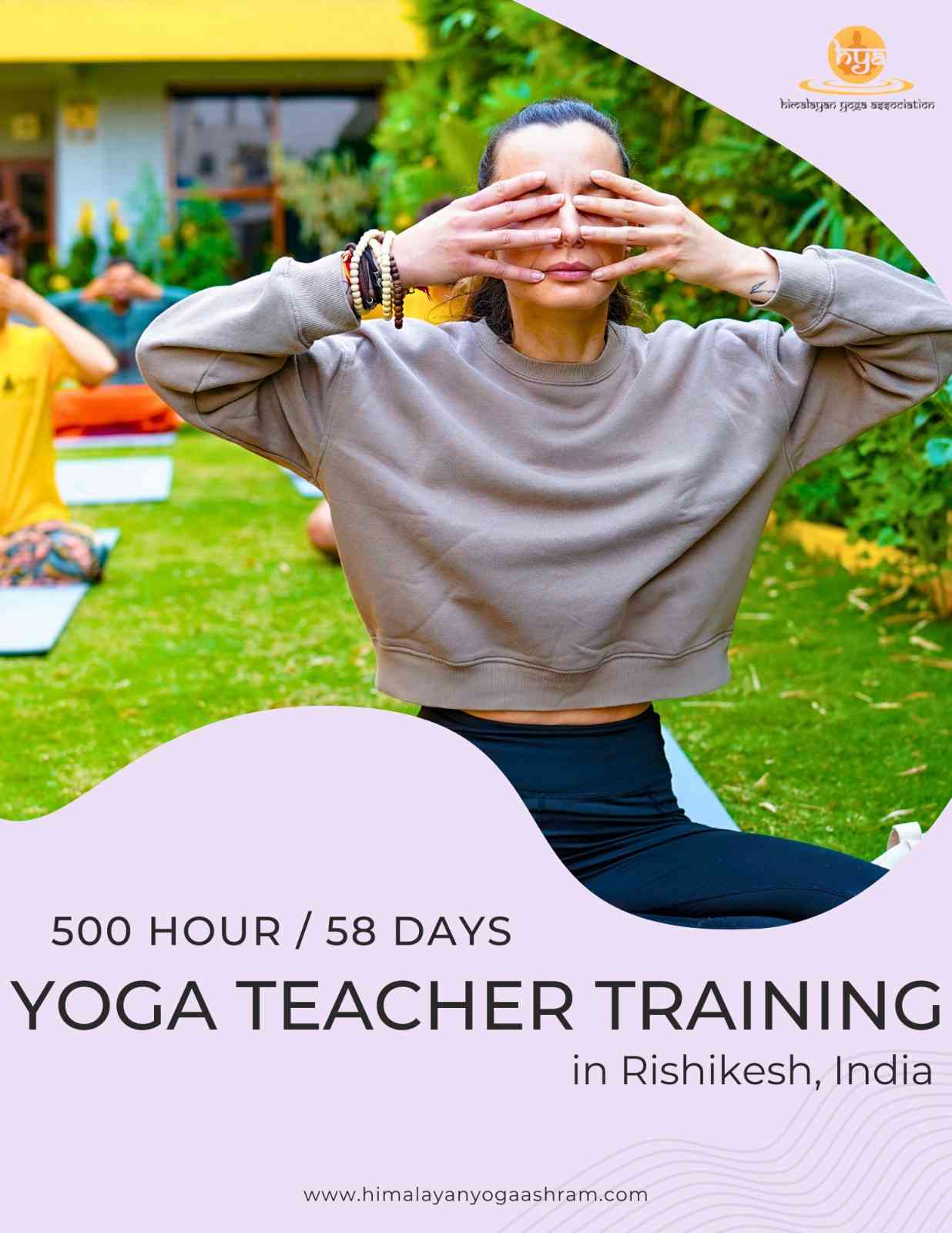
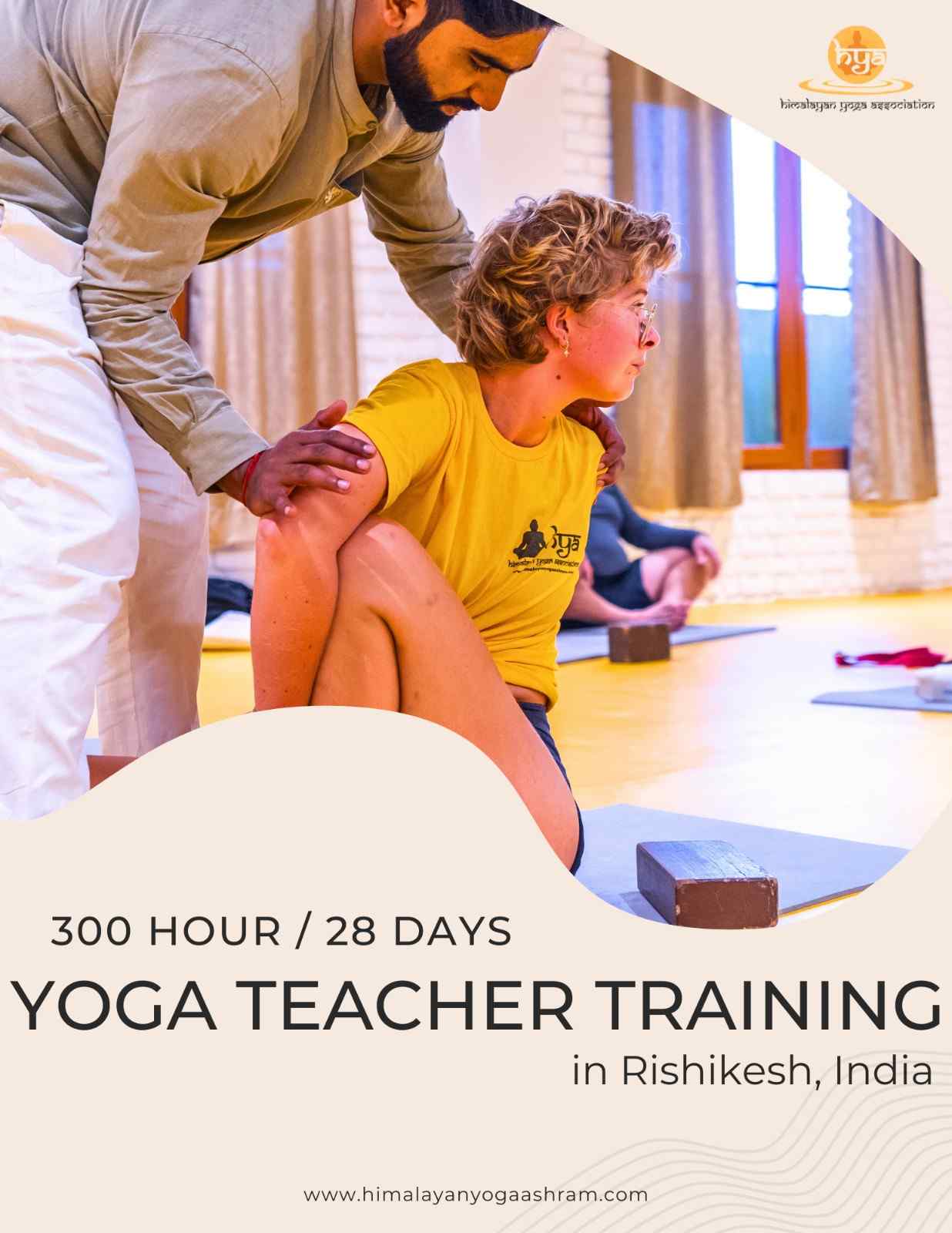
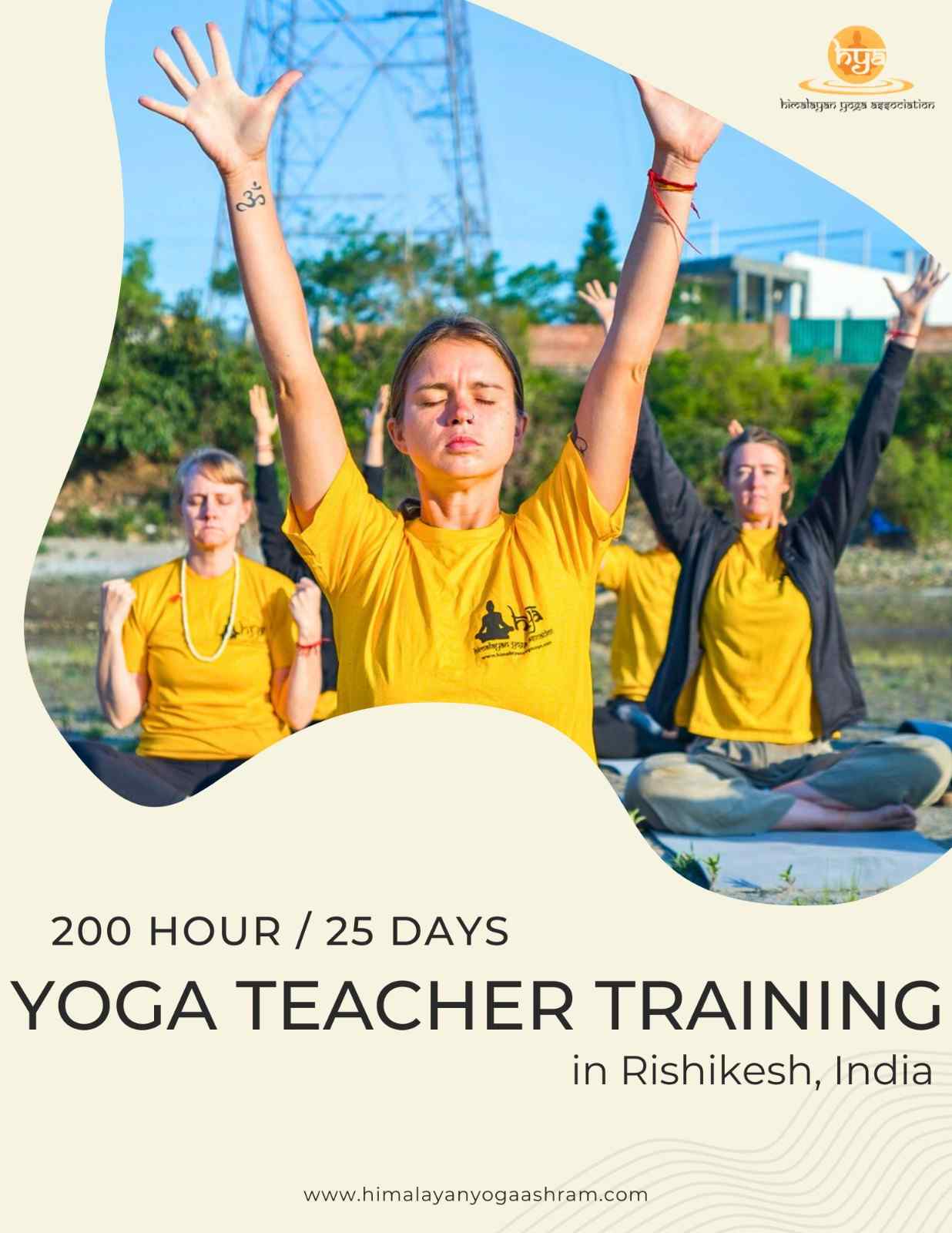

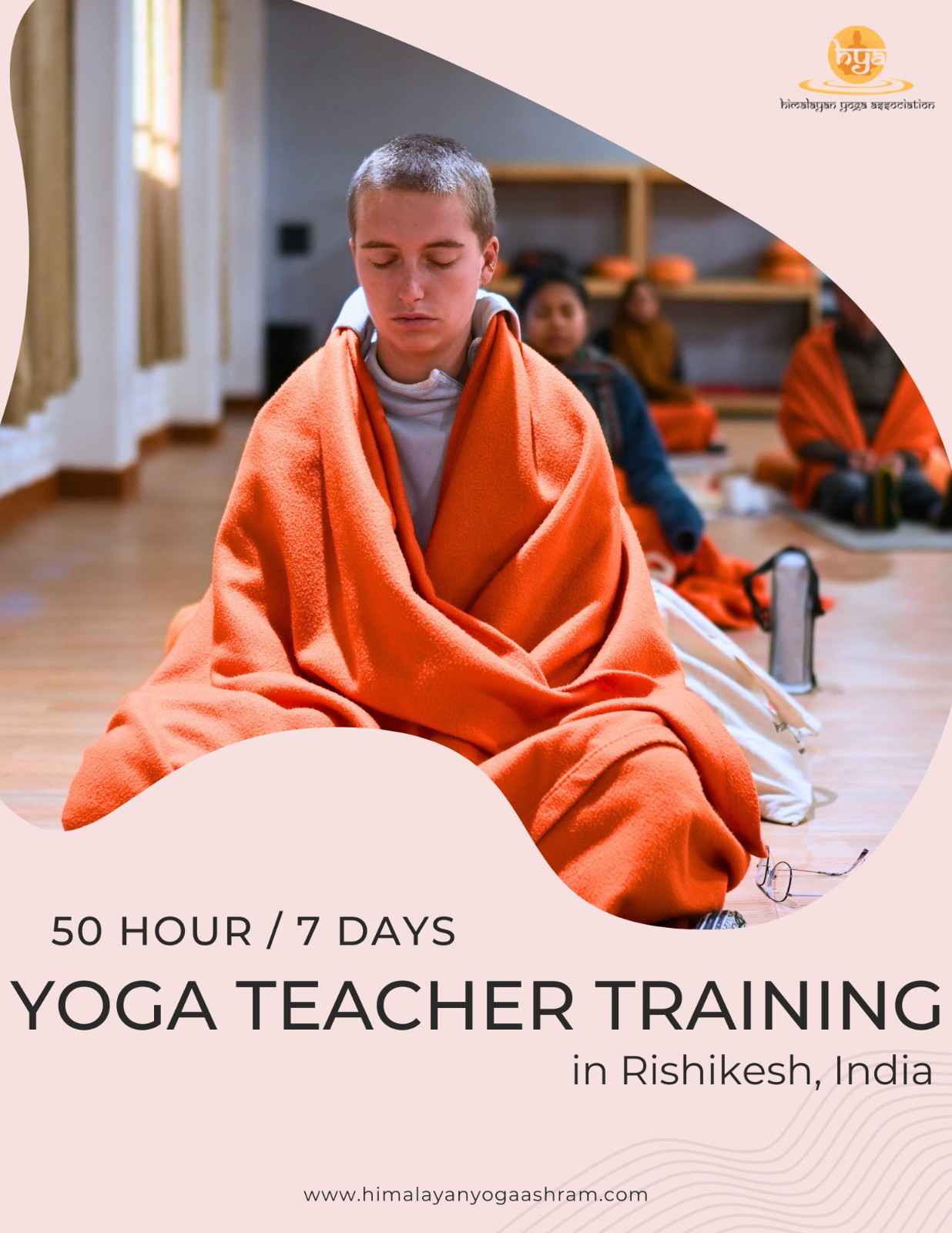
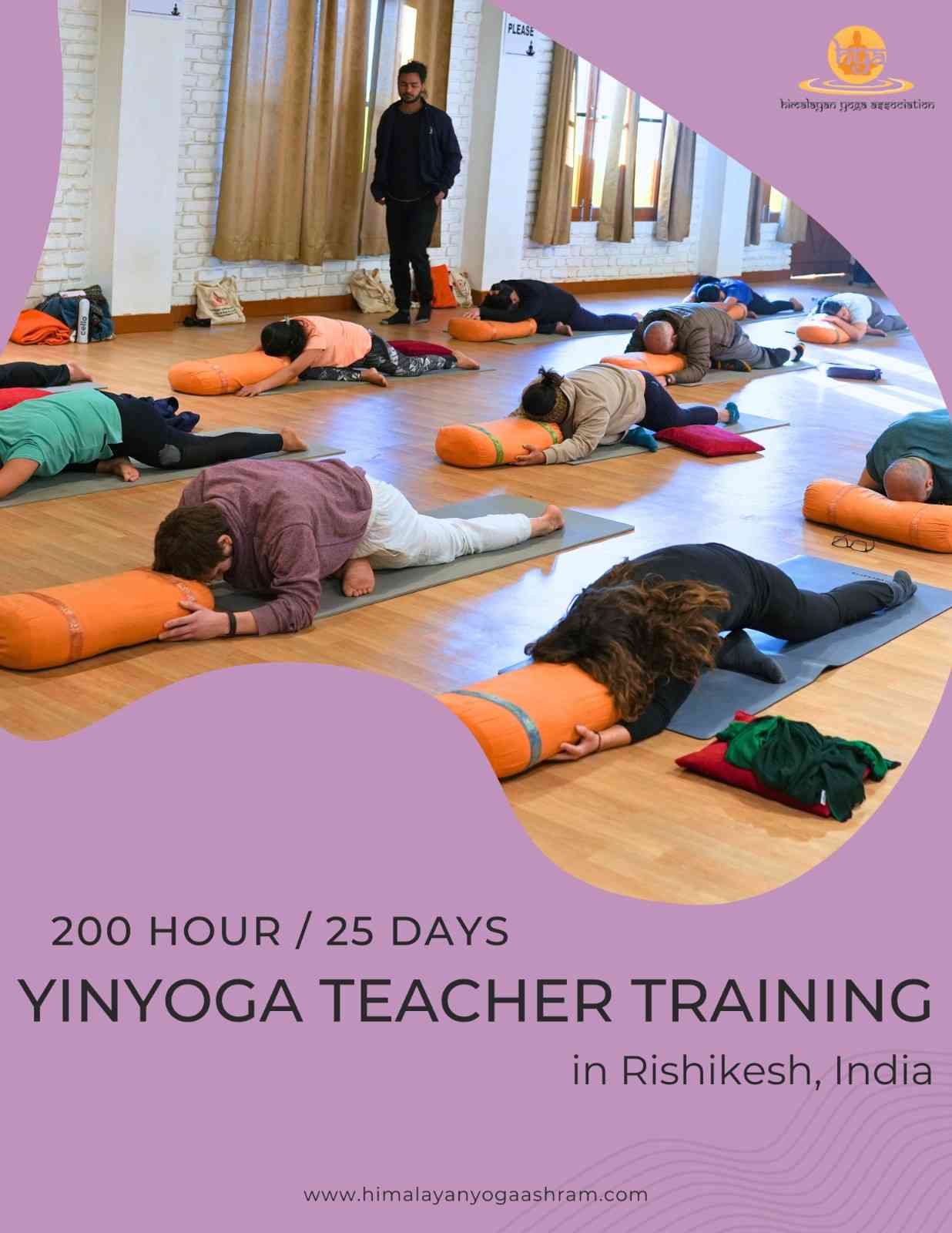
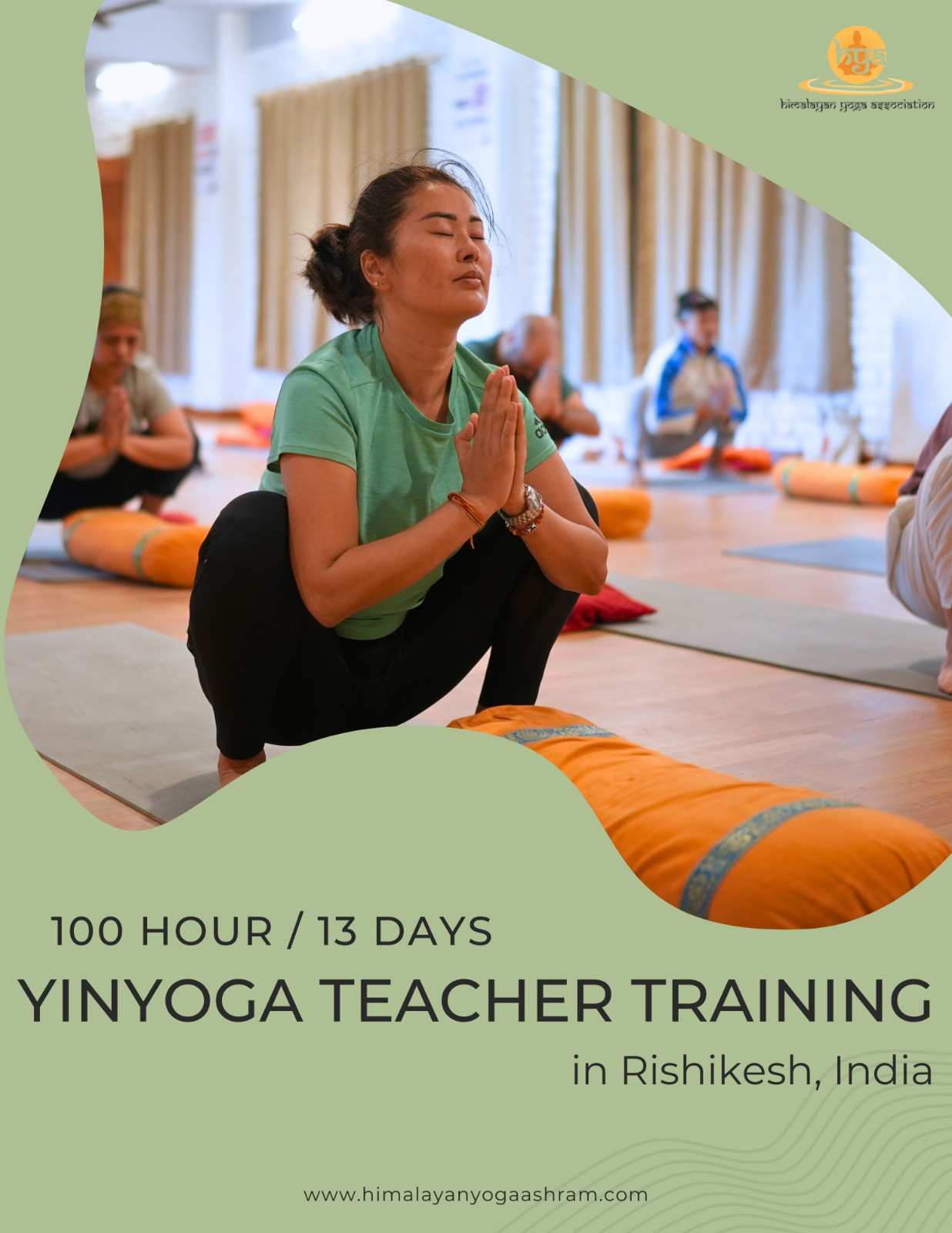
We are currently running courses in Rishikesh, India & Bali, Indonesia.


Daily Shedule
| Time | Schedule |
|---|---|
| 5:30 Am | Morning Bell |
| 6:00 – 7:00 Am | Pranayama and Shatkarma (Yogi Shanthi) |
| 7:00 – 8:30 Am | Hatha/ Vinyasa flow (Yogi Ida) |
| 08:30 Am | Breakfast |
| 09:30 – 10:30 Am | Yoga Philosophy (Yogi Shanti) |
| 10:30 – 11:30 Pm | Anatomy (Yogi Divy) |
| 11:30 – 12:30 Pm | Alignment / Adjustment/ Teaching Methodology (Yogi Bablu) |
| 12:30 pm | Lunch |
| 15:00 – 16:00 Pm | Yoga Therapy / Ayurveda (Yogi Divy) |
| 16:00 – 17:30 Pm | Ashtanga Yoga (Yogi Bablu) |
| 17:30 Pm | Tea Break |
| 18:00 – 19:00 Pm | Meditation (Yogi Shanti) |
| 19:00 Pm | Dinner |
| 21:00 Pm | Lights Off |
How to Reach?
Arrival & Departure Dates:
The course starts on 1st of every month at 5:00 PM with the opening ceremony & orientation program, In order to attend the opening ceremony of the course you should arrive at school a day before from the starting date of the course. The course completes on 28th of every month at 7:00 Pm with graduation & fire ceremony performed by the graduates & their masters, Departure date is 29th of every month before 12:00 Pm afternoon time.
What is included in Yoga Course Fee?
What is not included in Yoga Course Fee?
Contact Us
How to prepare yourself for the course?
Do you dream of becoming a successful yoga teacher? Do you look forward to a quality yoga teacher training from a recognized yoga institution? Then a professional yoga teacher training in Japan is right for you! Not only does it equip you with the necessary skills and know-how to teach yoga, but also prepares you mentally, physically and spiritually to be able to embark upon a wonderful yogic journey and venture ahead. So if you are wondering how to add a great start to your plans, then here it is important to keep in mind that your preparations prior to joining a yoga school, count! Read on to find out more on how to prepare yourself for your upcoming 300 hour yoga teacher training course in Japan.
To set your stepping stone to success in the field of teaching yoga, here are some key factors to keep in mind:
Read some quality yoga literature
Investing in some books updates your know-how on the history of yoga, its philosophy and so on. This will acquaint you to the subject and the evolution of yoga over time.
Physical and mental preparation
The daily regimen to be followed during a yoga teacher training in Japan program, could start as early as 5.30 to 6 a.m and end by 8 to 10 p.m. The entire day keeps you busy with arduous yoga sessions under the guidance of the yoga expert teachers with theory classes to add to it and other such activities. So joining a fitness routine, adopting healthy eating habits and reading blogs on yoga training experiences helps one to be mentally prepared prior to the commencement of the program.
Researching yoga schools in Japan
Though you will find plenty of yoga school in Japan they may however differ in terms of the style of yoga, the teachers, reviews and ratings, fees and so on. These are some of the crucial factors to check while doing your research and more importantly if the yoga school chosen by you is recognized by the Yoga Alliance or not. So make sure you enroll for a Yoga Alliance certified 300 hour yoga teacher training school in Japan that will make you eligible to teach anywhere in the world.
The RYT300 yoga teacher training certification happens to be the most popular certification course in yoga teaching demanded by aspiring yoga teachers and practitioners, intended to provide you a month long intensive foundation on the concepts of learning yoga and the art of teaching the same .
Practicing daily and on a serious note
Before joining our best 300 hour yoga teacher training in Japan, practicing frequently and seriously will allow you to achieve a better insight into your strengths and weaknesses. This will help you understand the areas that need more focus from your end and the kind of queries that you may have to ask your teachers during the course sessions.
So make the most of 300-hour your yoga teacher training program without having to lose on your precious sleep over it! Stay positive to be able to look forward to the course with much interest and enthusiasm.
Yogic food to suit yogic lifestyle

Each time you work on a yoga pose or practice pranayama, you intensify your capacity to exercise control over your focus, breath and body. Likewise, as you delve deeper into the yogic philosophy, you will find yourself eating, sleeping and thinking like a yogi! And when it comes to eating, diet certainly plays a significant role.
It is a known fact, that food is an important element and life-giving energy to the human body. The quality and type of food impact our physical and mental well-being. When nutrition is talked of from a yogic perspective, it includes much more than just the nutritional content of the food. As a full-fledged yogic practice demands the proper supplementation of the body with nutrients, the energetic aspect of nutrition is also to be taken into consideration while determining your choice of diet.
Meat or no meat?- The dilemma
Many yogis are faced with this question. As heard from many, practitioners feel that after long hours of practice, there comes a point when they do not really feel right or ready to consume non-vegetarian food anymore!
So what is the correct yogic diet (Sattvic Diet)?
Have you ever observed the impact that your food intake has been having upon your practice of yoga? It has been evident that some foods might wreck internal turmoil in the form of bloating or other such digestion disorders. On the other hand, there are some foods that are said to be more subtle and suitable to the body and mind.
The concept of Ayurveda, the sister science of yoga, enlightens us on the impact of different foods on our overall physical, spiritual and mental well-being. As per Ayurveda, “Sattva” denotes purity in quality of the self-control and spiritual well-being as apparent in the form of intelligence, virtue, awareness and happiness. Thus foods that are sattvic, promote purity in terms of both mind and body. They help nurture the mind – one that is clear, filled with compassion and keeps calm.
Following Sattvic diet
The good news for yogis is that Sattvic foods are absolutely vegetarian! Thus no animals are harmed in the making of such foods as they do not contain any animal products. These foods should be naturally cultivated and should not include any harmful preservatives, additive substances or artificial flavors.
What does a Sattvic diet or Food consist of?
A sattvic diet generally includes:
- Fresh, organically grown fruits and vegetables
- Nuts and whole grains
- Dairy – based foods example ghee (clarified butter ) and milk
- Lentils
- Beans
- Oils that are plant-based
- Foods with mild sweetness containing natural and unrefined sugars
- Spices such as turmeric, ginger, coriander, basil and cinnamon
How is Sattvic diet beneficial?
A sattvic diet aids in sharpening your intellect. According to the Bhagavad-Gita, the sattvic diet is said to be light and easy–to–digest. Being enriched with prana or purity, it fosters positive thoughts and satisfaction of the mind. Following such a diet can keep you alert, refreshed and peaceful.
Read Terms & Conditions Before Join RYT300
All classes are mandatory only in case of an emergency or illness one can take leave with respected teacher permission. Uninformed leaves won’t be accepted and this will leave bad impression on student monthly performance.
Prerequisites – A high degree of self-motivation is required for all aspects of the course. The practice and especially the teaching of yoga demand a high degree of self-discipline and purity. To ensure the success of the program, participants are required to attend all spiritual activities, meditation sessions, lectures and asana classes. Meat, fish, eggs, black tea, coffee, alcohol, tobacco, drugs and nudity are prohibited during the course as they are counterproductive to the yoga practice. Participants who do not comply with the school rules may be dismissed from the course.
Discipline Rules for Students – Smoking and alcohol are strictly prohibited in the school. If you are having a fast any day, you have to inform kitchen manager for avoiding food waste. Always make discipline, respect teachers and follow all rules. Always be in the time, you are late means will not be permitted to join class. Clear your books of account before departure from Himalayan Yoga Association. Before departure return your books, maps or any goods which you borrowed. Himalayan Yoga Association provides accommodation for a student who join the yoga course. So any friends or relatives will not be included in accommodation however they can stay in school by renting another room. Student have to be present in all scheduled program of Himalayan Yoga Association.
Refund Policy – The Advanced Course Fees, Complete Course Fee, Retreat Fee, Visa Fee or Any Other Payment will not be refundable in any case. Only in the case of emergency students can join us on other schedules. If a student cancels the course after joining it, we accept cancellation but course fees will not be refunded in cancellation.