
Functional Mobility: Yoga for Joint Longevity and Active Aging
Modern fitness often prioritizes strength, flexibility, or aesthetics — but rarely addresses how well the body actually moves. This is where functional mobility becomes essential. It’s not just about touching your toes or lifting heavy weights. It’s about maintaining healthy, pain-free movement through your joints over time.
Yoga, when practiced with awareness, is one of the most effective tools for building and maintaining this kind of mobility — especially as we age.
What is Functional Mobility?
Functional mobility refers to the ability to move your joints through their full range of motion with control, strength, and stability.
It combines:
- Flexibility (range of motion)
- Strength (support within that range)
- Coordination (how efficiently you move)
Without mobility, even simple movements — sitting, bending, reaching — can become restricted or uncomfortable over time.
Why Joint Health Matters More Than You Think
As we age, several natural changes occur:
- Decreased joint lubrication
- Reduced muscle elasticity
- Lower bone density
- Increased stiffness
These changes don’t happen overnight, but they accumulate gradually — often accelerated by sedentary lifestyles.
Poor joint health can lead to:
- Chronic pain
- Limited movement
- Increased injury risk
- Loss of independence
Maintaining mobility is not about avoiding aging — it’s about aging with function and freedom.
How Yoga Supports Joint Longevity
Yoga offers a structured way to move the body through controlled, intentional patterns. Unlike repetitive workouts, yoga focuses on quality of movement, not just intensity.
1. Controlled Range of Motion
Yoga postures (asanas) gently guide joints through their natural ranges, helping maintain flexibility without forcing the body.
2. Strength in End Ranges
Holding poses builds strength in positions where the body is typically weakest — improving joint stability and reducing injury risk.
3. Joint Lubrication Through Movement
Slow, mindful movement increases synovial fluid circulation, which nourishes the joints and reduces stiffness.
4. Nervous System Awareness
Mobility is not just physical — it’s neurological. Yoga trains awareness, helping the body move more efficiently and safely.
Key Areas for Functional Mobility in Yoga
Hips
Tight hips are common due to prolonged sitting. Yoga postures like lunges, pigeon pose, and dynamic flows improve hip mobility and reduce lower back strain.
Spine
A healthy spine needs movement in all directions — flexion, extension, rotation. Yoga integrates all these patterns naturally.
Shoulders
Modern posture often restricts shoulder mobility. Yoga restores balance through weight-bearing and open-chain movements.
Ankles
Often overlooked, ankle mobility is essential for balance and stability — especially in later years.
Mobility vs Flexibility: The Important Difference
Flexibility alone is passive — it’s how far a joint can move.
Mobility is active — it’s how well you can control that movement.
Yoga bridges this gap by combining:
* Stretching
* Strengthening
* Awareness
This makes it more sustainable than passive stretching alone.
Yoga for Active Aging
Active aging is not about staying “young.”
It’s about maintaining independence, resilience, and quality of life.
A consistent yoga practice supports:
* Better posture
* Improved balance
* Reduced joint pain
* Enhanced coordination
* Greater confidence in movement
These are not cosmetic benefits — they directly impact daily life.
Practical Tips to Start
You don’t need advanced poses to improve mobility.
Start with:
* Slow, controlled movements
* Focus on breath with movement
* Consistency over intensity
– Awareness of alignment
Even 20–30 minutes a day can create noticeable changes over time.
Learning Functional Mobility in Depth
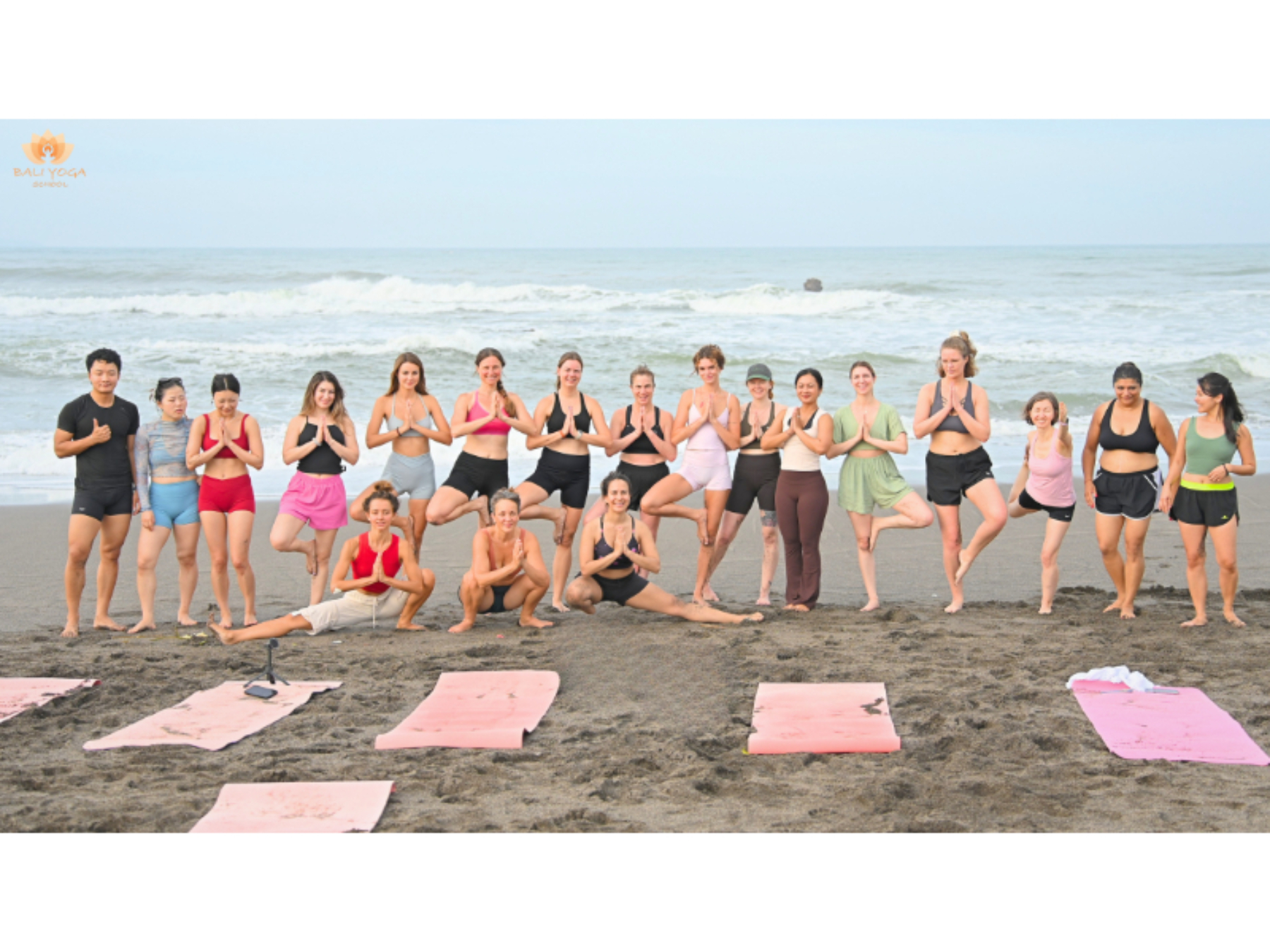
At Bali Yoga School, mobility is not taught as a separate concept — it is integrated into every aspect of yoga practice.
In our Yoga Teacher Training programs (50, 100, 200 hours), students learn:
* Safe alignment and joint protection
* Functional movement patterns through asana
* Anatomy and physiology for long-term practice
* Breathwork (pranayama) to support movement efficiency
* Teaching methods to guide others safely
Set in Uluwatu, Bali, near the ocean and surrounded by nature, the environment supports both physical practice and recovery — essential for sustainable mobility.
Final Thought
Mobility is something you build — or lose — over time.
Yoga offers a practical, sustainable way to maintain joint health, move with ease, and support the body as it changes.
It’s not about doing more.
It’s about moving better — for life.
FAQ
1. What is functional mobility in yoga?
Functional mobility in yoga refers to the ability to move joints through their full range with strength, control, and stability, rather than just passive flexibility.
2. Can yoga really improve joint health?
Yes. Regular yoga practice improves joint lubrication, strengthens surrounding muscles, and enhances movement patterns, all of which support long-term joint health.
3. Is yoga suitable for older adults?
Absolutely. Yoga can be adapted to all levels and is especially beneficial for maintaining balance, mobility, and independence as we age.
4. How often should I practice yoga for mobility?
Consistency matters more than duration. Practicing 3–5 times per week, even for short sessions, can significantly improve mobility over time.
5. Do I need to be flexible to start yoga?
No. Flexibility is developed through practice. Yoga is suitable for beginners and helps gradually improve both flexibility and mobility.
6. Where can I learn yoga for functional mobility professionally?
You can deepen your understanding through structured programs like Yoga Teacher Training at Bali Yoga School, where mobility, alignment, and anatomy are taught in an integrated way.